How Much Sunlight Do Pasque flower Need?
1
Pasque flower flourishes in bright, sunny locations, preferably receiving over six hours of direct sun daily.
2
Too much sun exposure can lead to leaf scorch on Pasque flower, impacting its vitality and look.
3
Adjusting to seasonal light variations and utilizing supplemental lighting can sustain robust development throughout the year.
The Importance of Sunlight for Pasque flower
Photosynthesis and Development
Sunlight is vital for photosynthesis, the process where Pasque flower transforms light energy into chemical energy. This energy fuels growth, aiding the plant in producing foliage, stems, and blooms. Insufficient sunlight impedes photosynthesis, resulting in stunted development and poor overall health.
Bloom Hue and Intensity
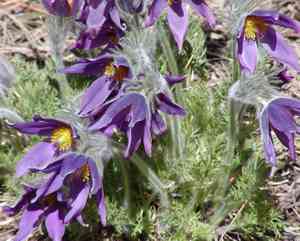
Sunlight significantly influences the color and vibrancy of Pasque flower blooms. Exposure to full sun helps in developing rich, vivid shades, enhancing the plantâs visual appeal. Inadequate sunlight can lead to dull, pale flowers that lack the striking colors typically associated with Pasque flower.
Required Sunlight for Pasque flower
Optimal Daily Sun Exposure
Pasque flower ideally needs over 6 hours of direct sunlight daily. This full-sun exposure enables the plant to photosynthesize efficiently and maintain robust health. Partial sun, involving about 4-6 hours of direct sunlight, can be tolerated but wonât yield optimal growth.
Best Spots for Maximum Sun
To ensure Pasque flower receives adequate sunlight, position it in areas that get abundant direct sunlight throughout the day. Ideal locations include south-facing gardens, balconies unblocked by trees or structures, and open fields where sunlight isnât obstructed.
Effects of Insufficient Sunlight on Pasque flower
Indicators of Low Light
When Pasque flower doesnât receive enough sunlight, it shows signs such as elongated, weak stems due to stretching towards the light, pale or yellowing leaves, and fewer, smaller flowers. These indicators suggest the plant is struggling to photosynthesize effectively.
Addressing Low Light Conditions
To remedy low light conditions, consider relocating the plant to a brighter spot or pruning overhanging branches that block sunlight. If moving the plant isnât feasible, supplement natural light with artificial grow lights to replicate the required sunlight hours.
Can Pasque flower Receive Excessive Sunlight?
Symptoms of Sun Damage
Overexposure to sunlight can cause sunburn in Pasque flower, characterized by browning or crispy leaf edges and wilting foliage. These symptoms indicate that the plantâs tissues are being damaged by excessive UV rays.
Protecting Pasque flower from Overexposure
To shield Pasque flower from too much sun, provide shade during the hottest part of the day, especially in summer. Using shade cloths or temporary covers can protect the plant from intense sunlight and prevent sunburn.
Seasonal Sunlight Changes for Pasque flower
Adjusting Care Across Seasons
As seasons change, the intensity and duration of sunlight vary. During winter, when daylight is shorter, move Pasque flower to sunnier spots or use reflective surfaces to maximize light exposure. In summer, monitor the plant for signs of overexposure and provide shade as needed.
Utilizing Supplemental Light Sources
When natural sunlight is insufficient, artificial light sources can ensure Pasque flower gets the necessary light. Use LED grow lights, positioning them about 12 inches (30 cm) above the plant, and provide light for 12-16 hours daily to mimic natural sunlight conditions.



