Enhancing Your Garden Design with the Pasque flower Plant: A Landscaping Guide
1
The Pasque flower is celebrated for its striking appearance, enhancing any garden space.
2
This plant requires minimal upkeep, perfect for individuals with limited time.
3
Pasque flower offers lovely color shifts across the seasons, bringing year-round appeal to your outdoor area.
Why Select Pasque Flower for Your Outdoor Space?
Distinctive visual charm of Pasque flower
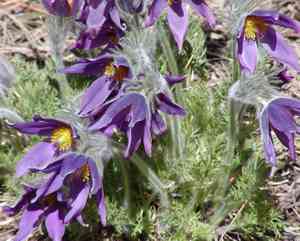
When choosing plants to make a statement in your garden, Pasque flower stands out with its unique aesthetic appeal. Its delicate, bell-shaped blooms and feathery leaves offer an elegant and whimsical touch that few other plants can rival. Whether you desire a romantic garden or a wildflower-inspired setting, Pasque flower can be the perfect addition to enhance the overall look. Its flowers typically emerge in early spring, providing a burst of color to lift your garden from winter's gloom.
Year-round seasonal color shifts
Pasque flower isn't just a fleeting beauty; it provides vibrant color changes that keep your landscape dynamic and engaging throughout the year. In spring, anticipate a profusion of colors as the flowers bloom in various hues. By summer, the plant's foliage offers a lush, green backdrop that transitions to a golden shade by autumn. These seasonal transformations ensure your garden remains a focal point each season, adding both visual and textural interest.
Effortless upkeep for busy homeowners
For those who cherish their gardens but lack endless hours for upkeep, Pasque flower is the perfect plant. It requires relatively little maintenance, needing less watering and care compared to more demanding plants. Once established, it is quite resilient and resistant to common pests and diseases. This makes it an excellent option for busy homeowners who desire a beautiful garden without constant attention.
Integrating Pasque Flower into Your Landscape Design
Selecting the optimal site for planting Pasque flower
Choosing the ideal location for Pasque flower in your garden is vital for its growth and visual impact. This plant thrives in well-drained soil and prefers spots that receive full to partial sunlight. Areas with good air circulation are also beneficial, as they help prevent potential fungal issues. When planning your garden layout, consider using Pasque flower as a centerpiece in flower beds or as a border plant to define garden areas.
Design principles: balancing hue and texture
Incorporating Pasque flower into your landscape demands a thoughtful balance of color and texture. The plant's soft, feathery foliage can complement various other plants with contrasting textures, such as hostas or ferns. Regarding color, pairing Pasque flower with plants that have similar or complementary shades will create a harmonious landscape. For instance, combining it with pastel-colored flowers or silver-foliaged plants can enhance its ethereal beauty.
Companion plants that complement Pasque flower
Selecting the right companion plants can boost the beauty and health of Pasque flower. Consider pairing it with other spring bloomers like daffodils and tulips for a vibrant spring display. For a more textured appearance, ferns and hostas make excellent companions. These plants not only visually complement Pasque flower but also share similar growing requirements, simplifying garden care.
Installation Advice for Pasque Flower
Preparing the soil for peak growth
The initial step to ensuring Pasque flower flourishes in your garden is soil preparation. This plant prefers well-drained soil rich in organic matter. Begin by loosening the soil to a depth of approximately 12 inches and incorporating compost or well-rotted manure. This improves soil structure and fertility, providing a healthy environment for root development.
Optimal time of year for planting Pasque flower
Timing is crucial when planting Pasque flower. Early spring or fall are the best periods for planting, as moderate temperatures and consistent moisture levels create ideal conditions for growth. Avoid planting during the height of summer or winter to minimize the risk of transplant shock.
Step-by-step planting procedure
Planting Pasque flower is straightforward if you follow a few simple steps. First, dig a hole that is twice the width of the root ball but no deeper. Position the plant in the hole, ensuring the top of the root ball is level with the soil surface. Fill the hole with soil, gently firming it around the plant's base. Water thoroughly after planting to settle the soil and remove air pockets. Finally, apply a layer of mulch around the plant to retain moisture and suppress weeds.
Caring for Pasque Flower in Your Landscape
Watering needs for robust growth
Pasque flower has moderate watering requirements, especially during its initial establishment phase. Ensure the soil remains consistently moist but not waterlogged. Once established, the plant is somewhat drought-tolerant but will perform best with regular watering during dry spells. Water deeply but infrequently, allowing the soil to dry out slightly between watering sessions.
Pruning methods to encourage flowering
Pruning Pasque flower is relatively simple and primarily involves deadheading spent flowers to promote continuous blooming. In late winter or early spring, you can also trim back any dead or damaged foliage to encourage new growth. Avoid aggressive pruning, as this can stress the plant and reduce its flowering potential.
Seasonal care tips for year-round beauty
To maintain Pasque flower's beauty throughout the year, a few seasonal care tips can make a significant difference. In spring, apply a balanced fertilizer to support new growth and blooming. During summer, monitor watering needs, especially during extended dry periods. In fall, remove any dead foliage and consider applying a light mulch layer to protect the roots from winter cold. Finally, in winter, ensure the plant is not waterlogged and remove any snow accumulation that could cause damage.



