The Pasque flower Plant Advantage: Maximizing Home and Office Appeal and Wellness
1
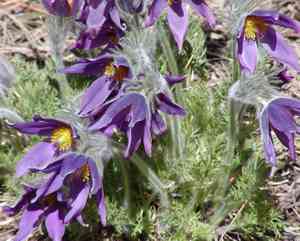
Pulsatilla vulgaris is recognized for its striking violet blossoms in early spring.
2
This perennial is simple to cultivate and care for in soil that drains effectively.
3
Pulsatilla provides visual appeal and brings joy to any landscape.
What Makes Pasque flower Unique?
Striking Appearance
Pasque flower is celebrated for its vivid purple blossoms that emerge in early spring. These blooms are bell-shaped, often displaying a silky texture that lends sophistication to any garden. The plant typically reaches 20-30 cm in height, making it an excellent option for rockeries, edges, and pots.
Versatility and Simple Cultivation
A key attribute of Pasque flower is its adaptability to various soil types, provided they drain well. It flourishes in full sun to partial shade, making it a flexible addition to diverse gardening settings. Its resilience to drought and cold weather further enhances its appeal. Even beginner gardeners will find Pasque flower relatively easy to cultivate and care for, requiring minimal effort once established.
Advantages of Cultivating Pasque flower in Your Garden
Aesthetic Improvement
Pasque flower significantly boosts your garden's visual charm. Its early spring blooms are a beautiful sight, creating a vibrant display of color that signals winter's end. This makes it an ideal companion for other spring-flowering plants, offering an early start to the growing season.
Attracting Beneficial Insects
Planting Pasque flower in your garden can also benefit local wildlife. The flowers draw various pollinators, including bees and butterflies, which are vital for a healthy ecosystem. By attracting these helpful insects to your garden, Pasque flower aids in promoting biodiversity and supports the pollination of other plants.
How to Maintain Pasque flower?
Soil and Irrigation Needs
Pasque flower prefers well-drained soil and moderate watering. Excessive watering should be avoided as it can lead to root rot. It's best to allow the soil to dry out between watering sessions. Applying a layer of mulch can help retain moisture and regulate soil temperature.
Pest and Disease Control
This plant is generally resistant to pests but can occasionally attract aphids. Regularly inspect the plant for any signs of pests and use a natural insecticidal soap if necessary. Good air circulation around the plant can prevent fungal diseases.
Design Concepts Featuring Pasque flower
Rock Gardens and Edges
Pasque flower is ideal for rock gardens due to its compact growth habit and preference for well-drained soil. It also performs well in garden borders, providing a splash of color and serving as a low-maintenance filler plant.
Container Gardening
For those with limited garden space, Pasque flower can be grown in containers. Its shallow root system makes it an excellent candidate for potting. When placed in a strategic location, container-grown Pasque flower can be the focal point of your garden, patio, or balcony.
Methods for Propagating Pasque flower
Seed Propagation
The most common way to propagate Pasque flower is via seeds. Sow the seeds in a well-draining potting mix and lightly cover them with soil. Keep the soil moist but not waterlogged. Germination typically occurs within a few weeks under optimal conditions.
Division and Cuttings
Another method is through division or cuttings. Divide the plant once it is mature, usually in early spring or late fall. Carefully separate the clumps and replant them in a prepared bed. Cuttings can be taken from healthy, non-flowering stems and rooted in a moist, well-draining medium.



