How to Transplant Balsam poplar?
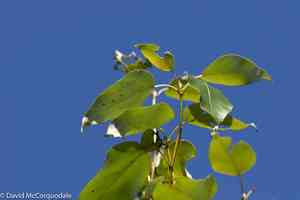
The optimal period for transplanting balsam poplar is throughout the spring renewal phase, precisely from the initial melting of early spring until the peak bloom of late spring. Select a location that offers abundant sunlight and soil that drains effectively to foster vigorous development. Providing balsam poplar with adequate room to reach its full adult dimensions will prove advantageous.
What Preparations are Needed Before Transplanting Balsam Poplar?
What is the Ideal Time for Transplanting Balsam Poplar?
The optimal period for relocating your balsam poplar is during the revitalizing phase of early to late spring. In this timeframe, the plant's dormant state is concluding, meaning the warmer ground and mild temperatures are perfect for root establishment without the stress of extreme heat or cold. Moving it in this season promotes vigorous development, as the longer days and gentle spring sun offer perfect conditions for your balsam poplar to flourish.
How Much Space Should You Leave Between Balsam Poplar Plants?
Before introducing balsam poplar to your garden, ensure you've allocated sufficient room for their growth. Aim to position them 15 to 20 feet apart (4.6 to 6.1 meters), which provides their roots ample space to spread and branches to extend upwards!
What is the Best Soil Mix for Balsam Poplar Transplanting?
For balsam poplar, choose a location with rich, well-draining loamy soil. Prior to transplanting, enrich the soil with a balanced, slow-release fertilizer to give your balsam poplar a nourishing start. It's like a comforting blanket for their roots!
Where Should You Relocate Your Balsam Poplar?
When selecting a site for your balsam poplar, seek an area that receives full sunlight throughout the day. This will ensure your balsam poplar obtains the energy it requires to grow tall and robust, much like planting it in a sun-drenched paradise!
What Equipments Should You Prepare Before Transplantation Balsam Poplar?
Gardening Gloves
To safeguard your hands while handling soil and plants.
Shovel or Spade
For excavating the plant from its original spot and creating a new planting hole.
Pruning Shears
To trim any damaged roots or branches during the relocation process.
Wheelbarrow or Tarp
To move the balsam poplar safely without harming its root system.
Watering Can or Hose
For hydrating balsam poplar before and after the transplant.
Stakes and Ties
To support balsam poplar if needed, reducing the risk of wind damage after transplant.
How Do You Remove Balsam Poplar from the Soil?
How Do You Remove Balsam Poplar from the Soil?
From Ground: Thoroughly water the balsam poplar to moisten the surrounding soil. Carefully dig a wide circle around the plant with a shovel or spade, going deep enough to encompass the entire root ball. Gently pry and lift balsam poplar out of the ground, preserving as much of the root system as possible.From Pot: Start by watering balsam poplar to facilitate root ball removal. Tilt the pot sideways and tap or press its sides to loosen the root ball. Gently slide balsam poplar out of the pot, ensuring you support the plant and root ball with your hands.From Seedling Tray: Water the tray to dampen the soil, making it easier to extract balsam poplar. Use a spoon or a small trowel to lift the soil and root clump, ensuring you keep as much of the roots intact as possible.
Step-by-Step Guide for Transplanting Balsam Poplar
Preparation
Water balsam poplar thoroughly one day before transplanting to hydrate and simplify the removal process.
Digging
Use a shovel or spade to excavate a hole in the ground where balsam poplar will be placed. The hole should be twice as wide and as deep as the root ball.
Removing balsam poplar
Depending on its original location (ground, pot, or seedling tray), gently lift the plant, ensuring minimal disturbance to its roots.
Placement
Position balsam poplar in the center of the new hole. The top of the root ball should be level with the surrounding soil surface.
Filling
Carefully backfill around the root ball with the excavated soil, gently tamping it down to eliminate air pockets. Avoid over-compacting the soil, which can hinder root growth.
Stabilizing
If balsam poplar shows signs of instability, insert stakes around the plant and loosely tie it for support.
Watering
After transplanting, water balsam poplar generously to settle the soil around the roots and aid in recovery from transplant shock.
How Do You Care For Balsam Poplar After Transplanting?
Stabilization
Check the stakes and ties regularly, making adjustments as balsam poplar grows to prevent girdling and allow for some natural movement.
Monitoring
Frequently inspect balsam poplar for signs of transplant shock, such as leaf wilting or discoloration, and take corrective actions if necessary.
Watering Routine
Establish a consistent watering schedule, providing balsam poplar with sufficient moisture while it establishes its new root system, especially during dry periods.
Protecting
During the first winter, consider mulching around balsam poplar to shield the root zone from freezing temperatures.
Troubleshooting Common Issues with Balsam Poplar Transplantation.
Why is my balsam poplar wilting after transplanting?
Wilting could be due to root shock or insufficient watering. Ensure your balsam poplar has consistent moisture and reduce stress by providing shade.
What's the best time to transplant balsam poplar for healthy growth?
Transplant in temperate months, ideally from when the frost lifts to the cusp of summer, to give the roots time to establish.
How deep should I dig to transplant balsam poplar?
Dig a hole twice as wide and just as deep as the root ball, allowing ample room for roots to spread without bending.
How far apart should I space multiple balsam poplar plants?
Aim to plant balsam poplars 15 to 20 feet apart (4.5 to 6 meters) to give them room to grow and prevent overcrowding.
Can I transplant balsam poplar in the fall?
It's best to transplant balsam poplar in spring. Fall transplanting is riskier, as the plant may not settle before winter.
What signs indicate my balsam poplar isn't thriving post-transplant?
Yellowing leaves, stunted growth, or branch die-back can indicate that your balsam poplar isn't adapting well. Check soil conditions and moisture.
How do I prepare the soil before transplanting balsam poplar?
Work organic matter into the soil to improve fertility and drainage. Ensure the soil is moist but not waterlogged before transplanting.
How do I handle balsam poplar's roots during transplanting?
Handle the root ball gently. Tease out any circling roots to encourage outward growth and trim any damaged roots.
What should I do if my balsam poplar has transplant shock?
Provide adequate water, mulch the base, and avoid fertilizers. Shelter from wind and sun can also help balsam poplar recover from transplant shock.
How much should I water my balsam poplar after transplanting?
Water deeply after transplanting, then regularly to keep the soil moist, not waterlogged, especially during the first growing season.



