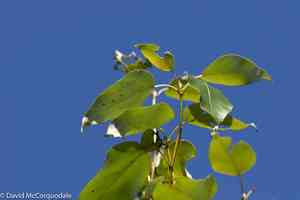
Balsam poplar (Populus balsamifera)
Also known as: Black cottonwood, Tacamahaca
The Balsam Poplar is a resilient, rapidly growing tree and the northernmost hardwood in North America. Its buds emit a pleasing fragrance similar to that of balsam fir. The wood, which is fairly soft, is utilized in the production of paper pulp. Additionally, the resin from its buds serves as a natural disinfectant for bee hives.
In This Article
Attributes of Balsam poplar
Lifespan
Perennial
Plant Type
Tree
Plant Height
40 m
Spread
2 m
Leaf Color
Green
Flower Size
2 mm to 4 mm
Flower Color
Yellow
Images of Balsam poplar
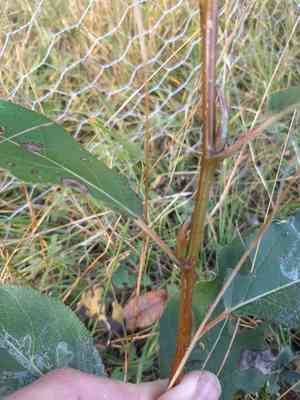
Quickly Identify Balsam poplar
1
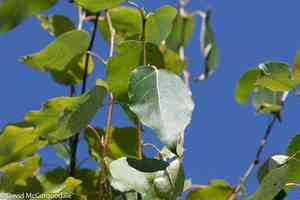
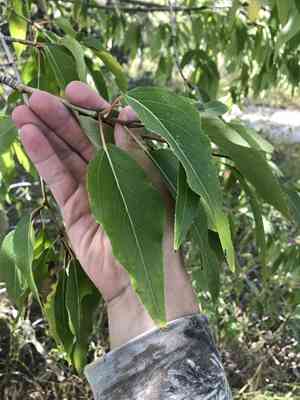
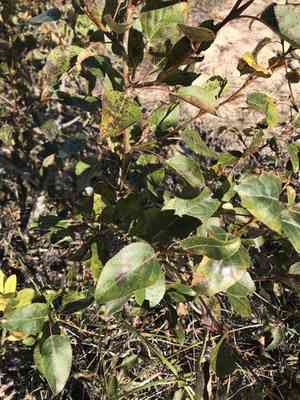
Look for a tall tree with a straight trunk and a narrow, pyramidal shape. The leaves are green, oval, and finely serrated with a glossy surface. In spring, the tree produces long catkins which release fluffy seeds that are dispersed by the wind.
Scientific Classification of Balsam poplar
Phylum
Vascular plants
Class
Dicotyledons
Order
Malpighiales
Family
Willow
Genus
Populus
Species
Balsam poplar
Planting and Growing of Balsam poplar
Care Difficulty
Moderate
Watering Schedule
Every 3 days
Sunlight Requirements
Full sun
Sunshine Duration
6-12 hours
Ideal Temperature
50-70℉
Soil Type
Potting Mix, Peat Mix
Soil pH
5.5-8
Fertilizer Type
Balanced
Pruning Season
Spring, Summer
Pruning Area
Branches, Leaves
Pruning Frequency
2 times a year
Repotting Season
Spring
Pot Type
Plastic, Ceramic
 How to Water Balsam poplar?
When watering Populus balsamifera, aim to moisten the soil thoroughly, reaching deep to sustain root growth. It's essential to provide about 1000 ml of water per session to ensure that the moisture reaches the deeper roots, but not so much that water remains stagnant or creates waterlogged conditions.
More About Watering Techniques→
What are the symptoms of an underwatered Balsam poplar?
›
What should I do if my Balsam poplar is not getting enough water?
›
What are the symptoms of an overwatered Balsam poplar?
›
How to save an overwatered Balsam poplar?
›
 What Are the Sunlight Requirements for Balsam poplar?
Ideally, Populus balsamifera should receive full sun exposure for at least 6 hours daily. Adequate sun exposure ensures optimal growth and enhances the tree's health and pest resistance.
More About Sunlight Requirements Techniques→
What is the best way to ensure ideal light conditions?
›
What solutions exist if ideal conditions are not naturally available?
›
What are the benefits of achieving ideal light exposure?
›
 What Is the Ideal Temperature Range for Balsam poplar?
The ideal temperature range for Populus balsamifera, also known as balsam poplar, is typically between 50°F to 70°F. This range supports optimal growth and health as it provides a stable environment for photosynthesis and reduces thermal stress. Maintaining these temperatures helps the plant to flourish, ensuring robust foliage and successful reproduction.
 What Soil is Best for Balsam poplar?
Populus balsamifera thrives in soil that boasts adequate drainage. Ensuring proper drainage prevents waterlogging, which can lead to root rot, thereby enhancing the plant's overall health and growth. The ideal soil retains moisture well, aiding the Populus balsamifera in staying hydrated, especially in dry spells. This balance is critical to maintain its lush foliage and rapid growth rates. Rich organic matter in the soil supports nutrient absorption, fueling the vigorous growth typical of Populus balsamifera. Regularly incorporating compost can significantly enhance the soil's fertility and structure.
More About Soil→
 How to Fertilize Balsam poplar?
For Populus balsamifera, the recommended fertilizer amount should be modest. Ideally, use a balanced 10-10-10 formula in liquid form, applying no more than one cup per acre for younger trees, and up to three cups per acre for mature ones. The fertilizer should be well distributed to prevent root scorch. Overfertilization may lead to excessive leaf growth but weak wood.
More About Fertilizing Techniques→
 How to Prune Balsam poplar?
Begin by assessing the tree's overall health and structure. Identify any dead, diseased, or crossing branches and remove them first, using sharp pruning shears for clean cuts. Next, thin out crowded areas to allow sunlight and air to reach the inner branches, promoting healthy growth. Focus on maintaining the tree's natural shape while ensuring its structural integrity. Always cut back to a healthy bud or branch junction to encourage proper healing and future growth.
More About Pruning Techniques→
 How to Propagate Balsam poplar plant?
1
Start by stratifying the seeds, mimicking winter conditions. Place them in the refrigerator for 4-6 weeks to break dormancy, promoting successful germination when planted.
2
Collect healthy cuttings, ensuring they are at least 6 inches long. Trim leaves from the bottom half and dip the ends in rooting hormone to enhance root development.
3
Plant seeds or cuttings into a well-draining soil mix in pots or trays. Water thoroughly after planting and keep soil consistently moist, avoiding waterlogging.
 How to Repot Balsam poplar plant?
1
Populus balsamifera should be repotted when you notice the roots growing out of the drainage holes of the pot or when the plant appears to be stunted despite proper care. This usually indicates that the roots have outgrown the current container and need more space to thrive.
2
Select a pot that is one to two inches larger in diameter than the current one to provide enough space for root expansion. Choose pots with adequate drainage holes to prevent waterlogging, which can lead to root rot and affect the overall health of Populus balsamifera.
3
Opt for well-draining loamy soil mixed with organic matter to ensure proper aeration and nutrient availability. This soil combination supports healthy root development and provides the necessary nutrients for Populus balsamifera to grow robustly after repotting.



