Enhancing Your Garden Design with the Balsam poplar Plant: A Landscaping Guide
1
Balsam poplar flourishes in diverse soil conditions, allowing it to adjust to various surroundings.
2
Balsam poplar possesses a delightful fragrance and appealing leaves, boosting the sensory charm of any outdoor space.
3
Optimal seasonal maintenance and appropriate positioning are crucial for the successful incorporation of Balsam poplar into your landscape plan.
Introducing Balsam poplar in Landscaping
Overview of Balsam poplar aesthetic aspects
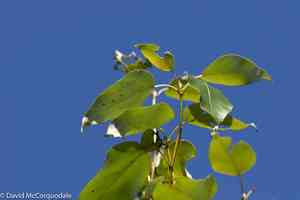
Integrating Balsam poplar into your garden design can boost its visual appeal. This tree is recognized for its striking look, characterized by elongated leaves with a distinct texture and form. The foliage changes beautifully through the seasons, from vibrant green in spring and summer to a captivating yellow in the fall. Additionally, Balsam poplar emits a pleasant scent that enhances the sensory experience of any outdoor area.
Benefits of choosing Balsam poplar for landscaping
Selecting Balsam poplar for your landscaping offers numerous advantages. Firstly, it adapts well to various soil types, ensuring vigorous growth in diverse environments. Furthermore, Balsam poplar requires relatively little upkeep compared to other trees, making it an excellent option for busy gardeners. Its impressive height and dense foliage provide superb windbreaks and privacy screens, making your garden more comfortable and secluded. Moreover, with its rapid growth rate, you will enjoy the benefits of its mature form sooner.
Ideal landscaping scenarios for Balsam poplar
Balsam poplar is adaptable and can be used in various landscaping situations. It performs wonderfully as a solitary specimen in a large garden, serving as a focal point that attracts attention. For smaller gardens, consider planting Balsam poplar along borders or pathways, where its foliage can provide a lush backdrop to other plants. Its fast-growing nature also makes it perfect for new landscapes where immediate impact is desired. Moreover, it's an excellent addition to naturalized areas where its robust nature supports wildlife, contributing to local biodiversity.
Designing With Balsam poplar: Strategic Placement Ideas
Where to plant Balsam poplar for optimal growth
Optimal growth of Balsam poplar is achieved by carefully selecting the planting site based on soil type, sunlight, and moisture levels. Balsam poplar thrives in moist, well-drained soils, though it is quite adaptable. Ensure the planting site receives full sun to partial shade for the best growth results. Avoid placing Balsam poplar near pavements or underground utilities as its roots can be extensive. Spacing is crucial, so allow ample room for the tree to expand both above and below ground, ensuring it reaches its full potential.
Using Balsam poplar as a focal point in garden designs
Balsam poplar can serve as a captivating focal point in garden designs due to its impressive stature and lush foliage. Plant Balsam poplar in a prominent position where it can be admired from multiple angles, such as in the center of a lawn or at the end of a pathway. Its commanding presence adds vertical interest and draws the eye upwards, creating a sense of grandeur. Complement Balsam poplar with underplanting of shrubs or groundcovers that accentuate its form and texture, enhancing the overall beauty of your garden.
Enhancing privacy and sound barriers with Balsam poplar
One of the practical uses of Balsam poplar in landscaping is for enhancing privacy and sound barriers. Its dense, leafy canopy provides effective screening from neighboring properties and busy roads, creating a more intimate and peaceful garden space. Line your property boundaries with a row of Balsam poplar trees to form a natural wall that blocks out noise and prying eyes. This living barrier not only functions as a screen but also adds aesthetic value, blending seamlessly with the natural environment.
Maintaining Balsam poplar in Your Landscape
Basic seasonal care tips for Balsam poplar
Maintaining Balsam poplar involves following basic seasonal care routines to keep the tree healthy and thriving. In spring, regular watering is essential to encourage new growth. Summer care includes mulching at the base to retain soil moisture and control weeds. In autumn, focus on raking and disposing of fallen leaves to prevent diseases. Winter care for Balsam poplar involves protecting young trees from frost and ensuring the tree receives adequate moisture during dry spells. Regularly check for signs of pests or diseases and take appropriate action when necessary.
Managing the natural growth patterns of Balsam poplar
Understanding and managing Balsam poplar's natural growth patterns is crucial for maintaining its shape and health. Regular pruning helps in controlling the tree's size and promoting strong, healthy branches. Prune Balsam poplar during late winter or early spring, removing dead or damaged branches and thinning out crowded areas. This encourages better air circulation and light penetration, reducing the risk of fungal infections. Keep an eye on the root system, ensuring it does not interfere with nearby structures or plants. With consistent management, Balsam poplar will flourish and continue to enhance your landscape.
Practical tools and techniques for Balsam poplar maintenance
Essential tools for maintaining Balsam poplar include pruning shears, loppers, a pruning saw, and a sturdy ladder for accessing higher branches. Using the right tools ensures clean cuts and minimizes harm to the tree. Techniques such as mulching help retain soil moisture and suppress weeds, and applying slow-release fertilizer will support healthy growth. Regularly monitor the tree for signs of stress or disease, addressing any issues promptly. By equipping yourself with the right tools and techniques, you can keep Balsam poplar in optimal condition year-round.
Creative Projects Featuring Balsam poplar
DIY landscaping projects with Balsam poplar
If you enjoy DIY projects, incorporating Balsam poplar into your landscaping plans can be incredibly rewarding. One idea is to create a picturesque tree-lined pathway or a shaded sitting area under its canopy. You can also plant Balsam poplar in a grove formation for a cozy, woodland feel. Combine Balsam poplar with native plants and wildflowers to develop a naturalized garden that supports local wildlife. These DIY projects not only enhance your gardenâs aesthetics but also provide a sense of accomplishment and a personal touch to your landscape.
Balsam poplar in commercial landscaping: case studies
Balsam poplar has been successfully used in various commercial landscaping projects, showcasing its versatility and appeal. For instance, some parks and recreational areas have utilized rows of Balsam poplar to create shaded walkways and natural barriers. Office complexes have integrated Balsam poplar into their green spaces to provide employees with pleasant outdoor areas for relaxation. These case studies demonstrate Balsam poplar's ability to adapt to different environments and its potential to enhance the visual and functional aspects of commercial landscapes.
Community initiatives and public spaces featuring Balsam poplar
Community initiatives and public spaces have also embraced Balsam poplar for its aesthetic and environmental benefits. Schools and public parks have planted Balsam poplar to provide shade and create engaging outdoor learning environments. Urban greening projects have included Balsam poplar to improve air quality and add greenery to cityscapes. The involvement of Balsam poplar in these community projects highlights its role in fostering a sense of place and enhancing the overall well-being of residents. By participating in or supporting such initiatives, you can contribute to the beautification and ecological health of your community.



