How to Prune Balsam poplar?
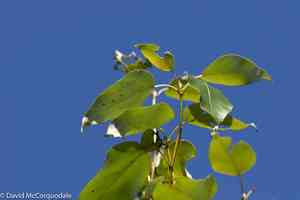
A deciduous tree recognized for its resinous buds and lofty height, balsam poplar thrives with trimming to preserve its well-being and framework. Essential methods involve judicious thinning of congested limbs and elimination of deceased or compromised timber. Performing pruning during its dormant phase in late winter or early spring is optimal to prevent insect infestations and facilitate recovery. Pruning stimulates robust development and can sculpt the crown, guaranteeing sufficient light penetration and air circulation.
Advantages of Trimming Balsam Poplar
Advantages of Trimming Balsam Poplar
Trimming balsam poplar promotes a sturdy structure and vigorous development. Strategic cutting back maintains the plant's shape and compactness, preventing excessive growth while preserving an appealing form.
Optimal Time for Pruning Balsam Poplar
Optimal Time for Pruning Balsam Poplar
The best periods to prune balsam poplar are late winter and early spring, just before its active growth phase begins. During late winter, balsam poplar's dormant state minimizes plant stress and the risk of disease transmission through pruning wounds. It also prevents sap bleeding, common in balsam poplar if pruned later in spring when sap flow starts. This timing ensures better wound closure and a quick growth response once the growing season commences. Early spring pruning allows for the removal of winter damage while ensuring effective wound healing. Avoiding pruning during active growth ensures balsam poplar's energy reserves are used for healthy new growth, not wound repair.
Tools Required for Pruning Balsam Poplar
Hand Pruners
Essential for making clean cuts on small branches and twigs of balsam poplar. Suitable for branches up to 1 inch in diameter, allowing for trimming smaller growth without harming the tree.
Lopping Shears
Ideal for cutting through thicker branches of balsam poplar that hand pruners cannot manage. Effective for branches up to 1.5 to 2 inches in diameter. Their long handles provide leverage, making pruning less strenuous.
Pruning Saw
Necessary for removing larger limbs from balsam poplar that exceed 2 inches in diameter. A saw with a curved blade can help achieve precise cuts and a smoother finish on larger branches.
Pole Pruner
Useful for reaching higher branches of balsam poplar without needing a ladder. It combines a cutting blade operated by a rope and sometimes a saw, perfect for cutting branches up to 1.25 inches in diameter from the ground.
Hedge Shears
Appropriate for shaping and trimming hedges made from balsam poplar, if cultivated for this purpose. They should be used for frequent, light trimming rather than significant cuts.
Personal Protective Equipment (PPE)
Important for ensuring the gardener's safety while pruning balsam poplar. This includes gloves, safety glasses, and potentially a hard hat if working on larger trees.
How to Prune Balsam Poplar
Clean Tools
Before beginning, sterilize your pruning tools with a solution of 1 part bleach to 9 parts water to prevent disease spread to balsam poplar.
Remove Deadwood
Identify and remove deadwood by cutting just above the branch collar – the swollen area where the branch meets the trunk. Ensure cuts are clean and angled slightly downward and away from balsam poplar's stem to prevent water damage.
Eliminate Diseased Wood
Carefully cut away any diseased branches from balsam poplar by making cuts well into the healthy wood beyond the infected areas. Avoid tearing the bark or making flush cuts against the trunk.
Trim Broken Branches
Trim broken branches back to the nearest lateral branch or bud that faces outward from balsam poplar. This promotes better healing and healthy new growth.
Disposal
Properly dispose of all removed material away from balsam poplar to prevent the spread of potential diseases or pests harbored in the dead or diseased wood.
Common Pruning Errors with Balsam Poplar
Over-Pruning
Removing too much of the canopy in a single season can stress balsam poplar, leading to weak growth and increased susceptibility to diseases and pests.
Improper Cuts
Making cuts that are too flush can remove the branch collar, hindering balsam poplar's natural healing process. Conversely, leaving too high of a stub can lead to decay.
Topping
Cutting balsam poplar's main branches indiscriminately, known as topping, can result in structural issues and unsightly, weakly attached regrowth.
Ignoring Dead Wood
Failing to remove dead or diseased wood can contribute to the spread of decay and diseases within balsam poplar.
Pruning Young Shoots Too Early
Snipping new growth prematurely can limit balsam poplar's flowering potential and reduce its overall vigor.
Neglecting Tool Hygiene
Using dirty pruning tools can introduce diseases to fresh cuts on balsam poplar.
General Pruning Advice for Balsam Poplar
Sharp Tools
Use sharp, clean pruning shears or saws to make precise cuts that balsam poplar can heal from more quickly.
Selectivity
Focus on removing only dead, diseased, or damaged branches, or those that are crossing or rubbing against each other, to encourage a strong, healthy structure for balsam poplar.
Cut Location
Cut branches at a 45-degree angle just above a bud facing the outside of the plant to encourage outward growth for balsam poplar.
Branch Collar
When removing larger branches, make cuts outside the branch collar to protect balsam poplar's natural healing response.
Gradual Pruning
If significant reduction is needed, spread the pruning of balsam poplar over several seasons to prevent stress.
Safety First
When pruning balsam poplar, especially for larger trees, use appropriate safety equipment and consider hiring professionals for hard-to-reach or larger limbs.



