How to Propagate Balsam poplar?
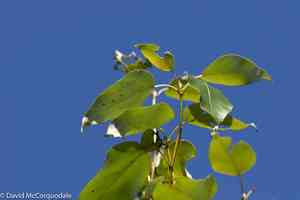
Balsam poplar flourishes when reproduced via cuttings. For optimal results, choose robust, uninfected branches during their period of active development. Cuttings ought to possess multiple nodes and measure approximately 6 to 10 inches in length. Insert these into a well-draining, damp soil blend, ensuring sufficient light and warmth. Steady hydration is vital, thus consistent watering is necessary until root formation is apparent. This technique effectively preserves the genetic uniformity of balsam poplar.
When Is the Best Time To Propagate Balsam Poplar?
Propagation Method
Cutting
Propagation Period
Autumn,Winter
What Tools Are Used in Balsam Poplar Propagation?
Sharp Pruning Shears
These are vital for obtaining clean sections of balsam poplar branches for propagation. Sharp blades ensure precise cuts, minimizing harm to the parent plant and boosting the survival rates of the cuttings. They aid in preventing disease spread by creating smooth cuts that heal rapidly.
Rooting Hormone
This chemical compound encourages root development from balsam poplar cuttings. Applying a rooting hormone to the cut end of the cutting prior to planting helps accelerate root formation and increases the likelihood of successful propagation.
Sterile Potting Mix
A light, well-draining, and nutrient-rich potting medium is essential for the initial growth phase of balsam poplar cuttings. Sterile media prevent disease and fungal infections, providing a healthy environment for roots to emerge.
Propagation Tray
These containers are utilized to arrange and hold balsam poplar cuttings as they establish roots. Trays should feature adequate drainage and be spacious enough to allow growth without overcrowding, ensuring good air circulation and root development.
Plastic Covers or Mini Greenhouse
Creating a humid microenvironment is advantageous for the rooting process of balsam poplar. Covering the propagation tray with a plastic dome or employing a mini greenhouse helps maintain high humidity and stable temperature, both crucial for encouraging root growth.
Misting Bottle
Regular misting is important to keep the air around balsam poplar cuttings humid, which is crucial for preventing the cuttings from drying out before roots have developed. A fine misting bottle allows for gentle watering that does not disturb the cuttings or the potting medium.
How to Propagate Balsam Poplar?
Propagation Difficulty
Moderately Difficult
How to Care for Your Newly Propagated Balsam Poplar?
How to Care for Your Newly Propagated Balsam Poplar?
Once balsam poplar cuttings have rooted, gradually introduce them to less humid conditions before moving them to their permanent spot. Ensure balsam poplar receives regular watering and is situated in a location with full sun to partial shade. Shield young plants from strong winds and extreme temperatures. As balsam poplar matures, it requires less frequent watering but should be monitored for common poplar pests and diseases. Regular pruning helps maintain a healthy structure and promotes vigorous growth.
Common Mistakes to Avoid When Propagating Balsam Poplar
Ignoring root cutting size
Using root cuttings that are too small or too large can cause issues. Small cuttings may lack sufficient energy to thrive, while oversized ones might struggle with moisture balance and proper development.
Overwatering
Providing excessive water can lead to root rot and fungal infections, which can severely harm or kill young plants.
Underestimating space requirements
Balsam poplar possesses a robust root system that needs ample room to expand. Overcrowding can result in competition for resources and poor development.
Neglecting aftercare
Cuttings or seedlings of balsam poplar require proper aftercare, such as protection from strong winds and pests; failing to provide this can lead to poor establishment and growth.
Using inappropriate soil medium
Balsam poplar needs well-draining soil to flourish. Compacted or poorly-draining soil mediums can impede root growth and oxygen availability.
Tips For Propagating Balsam Poplar
Optimal cutting length
Utilize cuttings that are approximately 6-12 inches long to ensure adequate energy reserves for growth and development.
Balanced watering
Maintain consistent moisture without overwatering to encourage healthy root development while preventing root rot.
Spacing
Allow sufficient space between balsam poplar plantings to accommodate their extensive root system and canopy spread.
Protective measures
Implement windbreaks and pest management strategies to safeguard young balsam poplar plants during their vulnerable stages.
Soil preparation
Prepare a soil mix with good drainage and aeration to support the vigorous root growth of balsam poplar, supplementing with organic matter if necessary.



