How to Transplant Rock polypody?
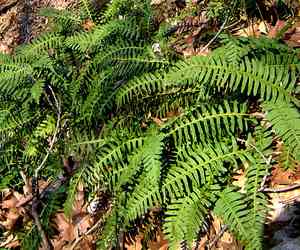
Relocate rock polypody as late spring's warmth permeates the ground, transitioning into early summer. Select a shaded sanctuary featuring damp, adequately draining soil. Handle with care to ensure root well-being, fostering robust future development.
What Preparations are Needed Before Transplanting Rock Polypody?
What is the Ideal Time for Transplanting Rock Polypody?
The prime period for moving rock polypody is at the onset of flowering and warmth, typically from late spring to early summer. Relocating rock polypody during this timeframe capitalizes on optimal growing conditions, promoting strong root development and adaptation. This approach ensures a smooth transition for rock polypody, aligning with its natural growth cycle for peak vitality and resilience. A friendly tip: Transplanting in harmony with nature's rhythm sets rock polypody up for success!
How Much Space Should You Leave Between Rock Polypody Plants?
Before positioning your rock polypody, ensure adequate room for growth. Aim for a separation of approximately 6-12 inches (15-30 cm). This spacing allows each plant sufficient area to expand without competing for nutrients and sunlight.
What is the Best Soil Mix for Rock Polypody Transplanting?
For rock polypody, the perfect soil is fertile, drains well, and contains organic material. Amend the soil before planting by incorporating compost or a balanced, slow-release fertilizer. This will assist your rock polypody in establishing roots and flourishing.
Where Should You Relocate Your Rock Polypody?
Choose a spot for your rock polypody that receives partial to full shade, as direct sun can be too harsh. An east- or north-facing location is perfect for providing the gentle light rock polypody needs to grow healthy and strong.
What Equipments Should You Prepare Before Transplantation Rock Polypody?
Gardening gloves
To safeguard your hands while handling soil and plants.
Shovel or Spade
For excavating the plant and preparing the new planting site.
Hand Trowel
For refining the plant's new hole and managing smaller root systems.
Watering Can or Hose
To hydrate the rock polypody before and after the relocation process.
Pruning Shears
To trim any damaged or excessively long roots.
Wheelbarrow or Garden Cart
To move the rock polypody from its original spot to the new location.
Mulch
To help maintain soil moisture and reduce weed growth around the rock polypody after transplanting.
How Do You Remove Rock Polypody from the Soil?
How Do You Remove Rock Polypody from the Soil?
From Ground: Hydrate the rock polypody to moisten the soil. Dig a wide trench around the plant using a shovel or spade. Ensure the plant's root ball remains intact while carefully working the spade beneath the root ball to lift the plant from its initial position.From Pot: Thoroughly water the rock polypody. Invert the pot onto its side and gently tap the edges. Use a hand trowel around the inner edges if necessary. Carefully slide the rock polypody out, supporting its root ball with your hands.From Seedling Tray: Dampen the soil in the tray. Use a hand trowel or a planting dibble to carefully extract the rock polypody seedling from its cell, supporting the root mass to prevent damage.
Step-by-Step Guide for Transplanting Rock Polypody
Plant Assessment
Examine the rock polypody prior to transplanting to confirm it is healthy and free from pests or diseases.
Root Preparation
Trim any damaged or overly long roots with pruning shears to encourage robust growth in its new spot.
Hole Preparation
Dig a hole at the new site approximately twice the width of the rock polypody's root ball, using a shovel or spade.
Transplant Placement
Position the rock polypody in the center of the new hole at the same depth it was previously growing.
Soil Replacement
Backfill the hole with soil, gently pressing down around the root ball to secure the plant and eliminate air pockets.
Watering
Water the rock polypody thoroughly to settle the soil and hydrate the roots.
Mulching
Apply a layer of mulch around the base of the rock polypody, keeping it clear of the stem to retain moisture and regulate soil temperature.
Stabilization
If the rock polypody is large or in a windy area, provide a stake for support and loosely tie the plant to it for stability.
How Do You Care For Rock Polypody After Transplanting?
Monitoring
Closely observe your rock polypody for indications of transplant shock, such as wilting or discolored leaves.
Regular Watering
Maintain consistent soil moisture with regular watering, ensuring the roots do not dry out while the rock polypody is establishing.
Mulch Observation
Check the mulch frequently to confirm its effectiveness in retaining moisture and that it hasnât become compacted or washed away.
Pruning
Trim any dead or damaged foliage to direct the rock polypody's energy towards root establishment and new growth production.
Support Inspection
Examine stakes and ties to ensure they are secure but not overly tight, allowing for natural growth and movement.
Troubleshooting Common Issues with Rock Polypody Transplantation.
What's the best time to transplant rock polypody?
The ideal transplanting period for rock polypody is during the pleasant days of late spring to early summer.
How far apart should I space rock polypody when transplanting?
Space rock polypody approximately 6-12 inches (15-30 cm) apart to provide each plant ample room to thrive.
Can I transplant rock polypody in full sun?
While rock polypody tolerates various light conditions, they flourish best in shaded to partially shaded areas.
Why are my transplanted rock polypody plants wilting?
Wilting after transplanting may be due to shock. Ensure consistent soil moisture and avoid direct sunlight.
What type of soil is best for transplanting rock polypody?
Plant rock polypody in rich, well-draining soil with a blend of compost or peat moss to encourage root development.
How much should I water rock polypody after transplanting?
Water generously immediately after transplanting, then maintain consistent moisture without overwatering or allowing the soil to dry out.
What should I do if rock polypody leaves turn yellow after transplanting?
Yellow leaves might indicate excessive watering or poor drainage. Adjust watering practices and ensure the soil drains properly.
How deep should the hole be for transplanting rock polypody?
Dig a hole as deep as the root ball and twice as wide to allow roots to spread comfortably.
Can I use fertilizer when transplanting rock polypody?
It's preferable to transplant rock polypody without fertilizer; instead, enrich the site with compost to promote natural growth.
How do I protect newly transplanted rock polypody from pests?
Inspect regularly for pests, use organic mulch to deter them, and if necessary, apply gentle, plant-friendly insecticides.



