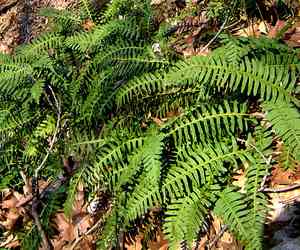
Rock polypody (Polypodium virginianum)
Also known as: Rockcap Fern, Common Rockcap Fern
Rock polypody (Polypodium virginianum) is a perennial evergreen fern that flourishes in moist, well-drained, humus-rich soil. It does well in partial to full shade and prefers a cool, shaded environment. While it can be challenging to establish initially, it spreads effectively via underground creeping rhizomes under the right conditions. For best results, ensure consistent moisture and protection from direct sunlight.
In This Article
Attributes of Rock polypody
Lifespan
Perennial
Plant Type
Herb
Plant Height
15 cm to 30 cm
Spread
30 cm
Leaf Color
Green
Flower Size
N/A
Flower Color
N/A
Images of Rock polypody
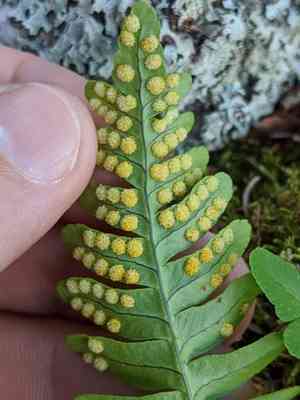
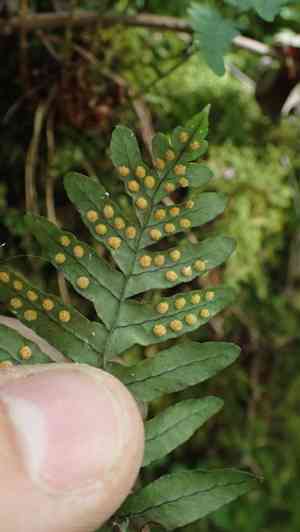
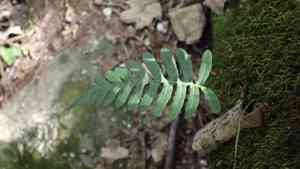
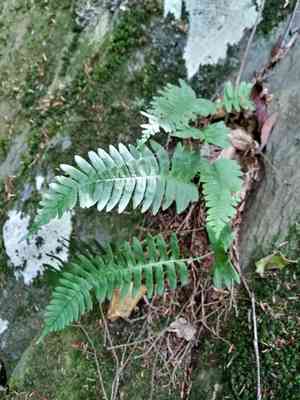
Quickly Identify Rock polypody
1
Mat-forming growth
2
Fronds broadest in the middle
3
Pinnae unfurl elegantly
4
Fronds up to 1.5 feet (45 cm) long
5
Widest leaf blade section placement
Scientific Classification of Rock polypody
Phylum
Vascular plants
Class
Ferns
Order
Polypodiales
Family
Polypody
Genus
Polypodies
Species
Rock polypody
Planting and Growing of Rock polypody
Care Difficulty
Easy
Watering Schedule
Every 3 days
Sunlight Requirements
Partial sun
Sunshine Duration
6-10 hours
Ideal Temperature
60-75℉
Soil Type
Potting Mix, Peat Mix
Soil pH
5-7.5
Fertilizer Type
Balanced
Pruning Season
Spring, Summer
Pruning Area
Branches, Leaves
Pruning Frequency
2 times a year
Repotting Season
Spring
Pot Type
Plastic, Terracotta
 How to Water Rock polypody?
For Polypodium virginianum, aim to provide around 200 milliliters of water per session, ensuring the water thoroughly moistens the soil without leaving it soggy. The principle here is to mimic its natural habitat, where it receives regular but not excessive moisture. Let the top inch of the soil dry out between watering to prevent root rot.
What are the symptoms of an underwatered Rock polypody?
›
What should I do if my Rock polypody is not getting enough water?
›
What are the symptoms of an overwatered Rock polypody?
›
How to save an overwatered Rock polypody?
›
 What Are the Sunlight Requirements for Rock polypody?
Partial sun with periods of full shade allows Polypodium virginianum to flourish, maintaining its lush appearance and robust growth.
More About Sunlight Requirements Techniques→
What are the ideal lighting conditions?
›
How to achieve ideal lighting conditions?
›
What are the benefits of ideal lighting?
›
 What Is the Ideal Temperature Range for Rock polypody?
Polypodium virginianum thrives best within an ideal temperature range of 60°F to 75°F. This range optimizes the plant’s physiological functions, promoting healthy growth and development. Maintaining temperatures within these limits helps ensure that the plant’s metabolic processes operate efficiently, enhancing photosynthesis and nutrient uptake.
 What Soil is Best for Rock polypody?
Polypodium virginianum flourishes best in soil that allows rapid water drainage. This prevents root rot and ensures plant longevity, offering the optimal moisture balance for root health. Incorporating organic matter helps provide essential nutrients and maintain soil structure. This is especially crucial for Polypodium virginianum, as it thrives in environments with nutrient-rich substrate. While good drainage is key, the soil should also preserve sufficient moisture. Polypodium virginianum prefers consistently moist conditions without waterlogging, indicative of loamy soil characteristics.
 How to Fertilize Rock polypody?
Polypodium virginianum, also known as the rock polypody, typically requires a light feeding due to its preference for nutrient-poor environments. Use a diluted liquid fertilizer, approximately one-quarter strength of the recommended dosage for typical houseplants. This ensures that the plant receives nutrients without overwhelming its natural adaptation to low-fertility conditions.
 How to Prune Rock polypody?
Begin by identifying any fronds that are dead, yellowing, or diseased. These are the sections you will remove first. Cutting these away helps prevent disease spread and allows the plant's energy to focus on healthy growth. Carefully trim away any identified fronds at their base, close to the rhizome but not damaging it. Focus on getting a clean cut to promote quick healing and reduce stress to the plant. After removing the unhealthy fronds, take a step back and assess the overall shape of the plant. If necessary, lightly trim the edges to maintain a balanced, natural appearance of the plant.
More About Pruning Techniques→
 How to Propagate Rock polypody plant?
1
Water the plant the day before propagation to reduce stress on the Polypodium virginianum. This ensures the rhizomes and surrounding soil are moist, making division easier.
2
Carefully lift the plant from the soil using a garden fork, then use a sharp spade to divide the rhizomes into sections. Each section should have several healthy fronds and a robust root system.
3
Replant each section at the same depth it was growing initially, ensuring the soil is well-drained. Water thoroughly to settle the soil around the newly replanted sections and support initial growth.
 How to Repot Rock polypody plant?
1
Polypodium virginianum should be repotted when you notice the roots are circling the bottom of the pot, indicating they need more space to grow. Additionally, if the plant appears stunted or shows seasonal dieback, it's a strong sign that repotting is required.
2
Select a pot that is slightly larger than the current one. The pot should have drainage holes to prevent water logging, which is crucial for avoiding root rot. Choosing a breathable pot material, like terracotta, helps in maintaining an airy environment for the roots.
3
Choose a well-draining potting mix high in organic matter. This type of soil ensures good aeration and retains the right amount of moisture, providing the ideal growing conditions for Polypodium virginianum.



