How to Prune Rock polypody?
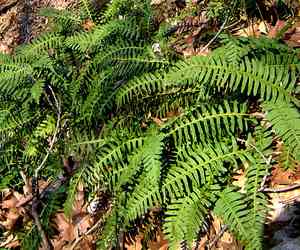
A resilient fern, rock polypody flourishes on stony surfaces with little upkeep. Trimming is seldom required but can be performed to eliminate withered fronds or to neaten the plant's look. The ideal period for its trimming is in spring prior to the emergence of new growth, or in summer and autumn if essential. Trimming improves air movement and diminishes pest outbreaks. Sever near the base, being careful to avoid new frond buds. Trimming ought to be executed with sanitized, keen implements to avert illness.
What Are the Benefits of Pruning Rock Polypody?
What Are the Benefits of Pruning Rock Polypody?
Trimming rock polypody promotes robust development and helps maintain its desired form. Regular cutting can lead to a more compact and appealing foliage display, enhancing the plant's inherent beauty.
What Is the Best Time for Pruning Rock Polypody?
What Is the Best Time for Pruning Rock Polypody?
Trimming rock polypody during spring and early summer aligns with its active growth phase when the plant is most resilient and can quickly recover from pruning stress. At this time, the plant's energy is directed towards new growth, enabling it to seal cuts and regenerate tissue effectively. Pruning before the intense heat of late summer helps prevent additional stress on the plant. Additionally, spring trimming can remove any fronds damaged over winter, resulting in a healthier and more attractive plant. It is also an opportune period to shape the plant and manage its size without hindering its natural development. Autumn pruning is avoided as cuts made late in the season may not heal before winter, increasing the risk of frost damage and disease infiltration.
What Tools Do I Need to Prune Rock Polypody?
Sharp scissors or small pruning shears
These implements are ideal for rock polypody as they allow for precise cuts, which are essential for trimming small and delicate fronds. They enable the gardener to remove any dead or damaged fronds without harming the healthy parts of the plant.
Tweezers or small forceps
Rock polypody's smaller size and dense growth can make it challenging to access specific areas that require trimming. Tweezers or small forceps are perfect for carefully removing any debris or dead material from the plant without causing damage to the surrounding fronds.
Gloves
While rock polypody does not typically have any sharp edges or irritants, wearing gloves is a general best practice when pruning to protect the gardener's hands from cuts and potential skin irritants found in the garden.
How to Prune Rock Polypody
Cleaning tools
Before starting the pruning process, sanitize all cutting tools to prevent the spread of disease to rock polypody. Wipe down blades with isopropyl alcohol or a bleach solution.
Remove diseased leaves
Identify and gently snip off any diseased leaves from rock polypody using clean, sharp scissors. Make the cut close to the base of the leaf, being careful not to damage nearby healthy foliage.
Remove withered leaves
Locate withered or yellowing leaves on rock polypody. Prune these leaves by cutting at the base, as close to the rhizome as possible, to promote healthy new growth.
Trim dead branches
Carefully cut away any dead branches from rock polypody, making clean cuts close to the main rhizome. Ensure not to harm the healthy parts of the plant during this process.
Prune diseased branches
Trim back any diseased branches by making an angled cut just above a healthy leaf or node. Remove only the affected parts to prevent the spread of disease within rock polypody.
Common Pruning Mistakes with Rock Polypody
Overpruning
Removing too much foliage can stress rock polypody, hindering its ability to photosynthesize adequately.
Pruning healthy fronds
Cutting back fronds that are green and vibrant can weaken rock polypody unnecessarily, as these are the parts that contribute to growth.
Incorrect cutting technique
Using dull or inappropriate tools, or making jagged cuts can cause damage to rock polypody's fronds, leaving them susceptible to pests and diseases.
Removing protective dead fronds
Taking away the brown and withered fronds too early or too quickly can expose the crown of rock polypody to elements and pests, especially when they still provide natural protection.
Pruning without inspection
Failing to examine rock polypody before pruning might result in missing signs of disease or pests, which should be treated before making cuts.
Common Pruning Tips for Rock Polypody
Use the right tools
Employ clean, sharp scissors or pruners, which will make clean cuts and reduce damage to rock polypody's tissues.
Target dead or damaged fronds
Focus on removing only the fronds that are clearly dead, damaged, or diseased, to maintain the health and aesthetics of rock polypody.
Cut at the base
Make cuts close to the soil level or at the base of the frond for a neat appearance and to avoid leaving stubs that can rot.
Prune sparingly
Less is more with rock polypody. Prune only when necessary to avoid causing undue stress to the plant.
Look for pests and diseases
Before and while pruning rock polypody, inspect for any signs of pests or diseases to address those issues immediately.



