How Much Sunlight Do Rock polypody Need?
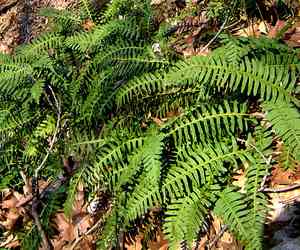
1
Rock polypody flourishes in dim light environments, doing well in shadowy spots.
2
Although it can endure some direct sunlight, intense sun exposure could damage the plant.
3
Offer supplemental illumination if cultivating the plant indoors where natural light is inadequate.
Understanding Rock Polypody Light Requirements
Does Rock Polypody Tolerate Direct Sun?
Rock polypody, a charming fern often found in rocky areas or forest floors, does not thrive under full sun. These plants originate from shaded woodland environments where they receive filtered light, creating a cool, humid atmosphere ideal for their development. Excessive direct sunlight can burn the delicate fronds, leading to unsightly brown spots and overall plant stress. It's best to keep your Rock polypody away from harsh sunlight to maintain its lush and vibrant foliage.
Optimal Light Conditions for Rock Polypody
The best light conditions for Rock polypody involve placing them in areas that mimic their natural habitats. Aim for spots that provide dappled sunlight or complete shade with less than 3 hours of direct sun daily. North-facing windows or rooms that only receive indirect light throughout the day are perfect for these ferns. You can also place them in areas with light filtered through sheer curtains.
Tips for Providing Ideal Sunlight
Best Locations for Growing Rock Polypody
When choosing the best location for your Rock polypody, consider areas that offer consistent shade. Ideal spots include beneath large trees, shaded parts of porches, or indoors near north-facing windows. Gardens with ample ground cover and leaf litter also provide a suitable environment, ensuring the plant's fronds are protected from direct sun while enjoying cool, moist air.
How to Use Artificial Lights for Rock Polypody
For indoor cultivation, especially in areas with insufficient natural light, artificial lighting can be beneficial. Use fluorescent or LED grow lights that mimic the spectrum of natural light. Position the light source about 12-18 inches (30-45 cm) above the plant and keep it on for 12-16 hours a day to simulate the day-night cycle. Be careful not to overdo it, as excessive artificial lighting can also cause stress.
Common Light-Related Issues and Solutions
Identifying Sunburn in Rock Polypody
Sunburn is a common problem when Rock polypody is exposed to too much direct sunlight. Signs include brown or bleached patches on the fronds, crispy edges, and an overall decline in plant health. If you notice these symptoms, immediately move the plant to a shadier spot to prevent further damage. Trim away the sunburned fronds to encourage new, healthy growth.
Signs of Insufficient Light in Rock Polypody
While Rock polypody thrives in low-light conditions, too little light can also be harmful. Signs of insufficient light include pale, elongated fronds and a noticeable lack of new growth. To fix this, gradually move the plant to a brighter location or introduce supplemental artificial lighting, ensuring it receives the equivalent of filtered sunlight.
Seasonal Light Variations
Winter Light Needs for Rock Polypody
During the winter months, natural light levels can decrease significantly. Rock polypody might benefit from a slight increase in exposure to indirect sunlight or the addition of artificial lights to compensate for shorter days. Ensure that the plant is still shielded from cold drafts and direct sunlight, which can be more intense due to the lower angle of the sun.
Summer Light Needs for Rock Polypody
In summer, the intensity of sunlight increases, making it crucial to provide adequate shade for your Rock polypody. Ensure the plant is positioned in an area with consistent shade throughout the day. If grown outdoors, consider using shade cloths or relocating the plant to naturally shady areas to protect it from the blazing summer sun.
Practical Light Strategies for Indoor Rock Polypody
Placing Rock Polypody Near Windows
When placing Rock polypody indoors, select locations near windows that offer indirect sunlight, such as north-facing windows. Ensure the plant is not exposed to drafts or direct beams of light through the window as it can cause stress and potential damage. Rotate the plant periodically to ensure even light distribution and prevent one-sided growth.
Adjusting Curtains and Blinds
Adjusting your window treatments can play a significant role in controlling the light levels for your Rock polypody. During the day, keep sheer curtains drawn to filter the light, creating a soft, diffused sunlight effect. Blinds can be adjusted to angle the light away from the plant, ensuring it receives the proper lighting conditions. Consistent monitoring and adjustment will help maintain an optimal light environment for your plant.



