The Rock polypody Plant Advantage: Maximizing Home and Office Appeal and Wellness
1
Offers superb ground coverage in areas with low light.
2
Recognized for its ability to cleanse the air and its resilience.
3
Improves the earth's condition and fosters a variety of life forms.
What Makes Rock polypody So Special?
Ecological Contributions
A remarkable trait of Rock polypody is its capacity to flourish across diverse environmental settings. Whether on rocky inclines, forest floors, or garden plots, this plant positively impacts its surrounding ecosystem. By offering ground cover, Rock polypody aids in reducing soil erosion and retaining moisture, fostering a more stable habitat for other flora and fauna. Moreover, it improves soil quality through its natural decay process, enriching the earth with vital nutrients.
Air Purification
Rock polypody is recognized for its capacity to cleanse the air. Through photosynthesis, this plant takes in carbon dioxide and releases oxygen, thereby enhancing the air quality nearby. Additionally, Rock polypody can assist in removing harmful airborne toxins, making it an excellent option for indoor environments or urban gardens where air pollution is a concern.
How Can Rock polypody Benefit Your Garden?
Aesthetic Appeal
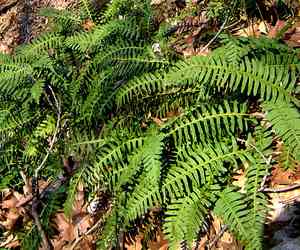
One of the most visually pleasing aspects of Rock polypody is its lush, green foliage that stays vibrant all year. The plant's compact growth habit makes it an ideal ground cover, creating a rich, carpet-like effect that can add a touch of verdant beauty to any garden space. Whether utilized in shaded garden beds or as an underplant for taller shrubs and trees, Rock polypody brings a sense of calm and natural beauty to the landscape.
Low Maintenance
Another significant advantage of incorporating Rock polypody into your garden is its minimal care requirements. This resilient plant needs little attention once established, making it perfect for gardeners of all skill levels. It thrives in shaded or partially shaded areas, requiring only moderate watering and minimal fertilization. Its ability to adapt to various soil types and conditions means it can flourish even in less-than-ideal spots, making it a versatile addition to any garden.
What Are the Broader Environmental Benefits of Rock polypody?
Promoting Biodiversity
Rock polypody plays a vital role in fostering biodiversity. As a native plant, it provides shelter and sustenance for various insects, birds, and small mammals. Its presence in a garden or natural setting supports a diverse ecosystem, encouraging beneficial insects and promoting pollination. By cultivating a balanced environment, Rock polypody helps maintain the health and vitality of the wider ecosystem.
Climate Resilience
In the face of climate change, plants like Rock polypody are invaluable for their adaptability and hardiness. Their ability to withstand varying weather conditions, from drought to heavy rainfall, makes them a dependable choice for maintaining green spaces in an era of climatic unpredictability. By integrating Rock polypody into our landscapes, we can help create more resilient ecosystems capable of thriving despite changing climatic conditions.
Where Should You Consider Planting Rock polypody?
Ideal Locations
Rock polypody is perfect for shaded or partially shaded areas where other plants might struggle. It can be used to cover slopes, rocky outcrops, or beneath trees and larger shrubs. Its preference for well-drained soil makes it an excellent choice for rock gardens, woodland gardens, or naturalized areas in your landscape. Consider planting Rock polypody in areas where soil erosion is a concern, as its ground-covering habit will help stabilize the soil.
Companion Plants
Rock polypody pairs well with other shade-loving plants such as ferns, hostas, and astilbes. Its green foliage provides a beautiful contrast to the varying textures and colors of its companions, creating a harmonious and visually appealing garden display. By combining Rock polypody with other plants that thrive in similar conditions, you can create a diverse and vibrant garden space that requires minimal maintenance while offering maximum ecological benefits.



