How to Transplant Red pine?
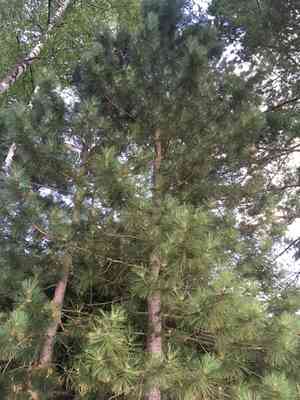
The prime window for transplanting red pine occurs when temperatures are consistently mild yet not excessive, generally from late spring through midsummer. This timing facilitates root development without the duress of freezing temperatures or scorching heat. Ideally, select a location that provides ample sunlight and soil with good drainage. If possible, guarantee the root mass stays undisturbed throughout the procedure to simplify its adjustment.
What Preparations are Needed Before Transplanting Red Pine?
What is the Ideal Time for Transplanting Red Pine?
The best time to move red pine is from late spring to early summer. During this period, mild weather aids root establishment, avoiding the intense heat of midsummer. This timing allows red pine to benefit from the upcoming growing season, promoting strong development and increased resilience. Transplanting within this recommended window gives red pine the best chance to flourish in its new spot, ensuring a smooth transition and a robust beginning.
How Much Space Should You Leave Between Red Pine Plants?
For red pine, make sure to provide ample room for growth. Ideally, you should position each plant approximately 20-30 feet (6-9 meters) apart. This promotes healthy development and prevents overcrowding.
What is the Best Soil Mix for Red Pine Transplanting?
For red pine, a well-draining loamy or sandy soil is most suitable. Before planting, incorporate some organic compost or a slow-release granular fertilizer into the soil. This will establish a strong nutritional foundation for the plant's development.
Where Should You Relocate Your Red Pine?
Red pine thrives in sunlight! Select a garden location that receives full sun for most of the day. This supplies the energy required for vigorous growth.
What Equipments Should You Prepare Before Transplantation Red Pine?
Gardening Gloves
To safeguard your hands from thorns and scrapes while handling the plant and soil.
Shovel or Spade
To excavate the plant from its original spot and also to prepare a new hole at the transplant location.
Wheelbarrow
To safely move the red pine from one place to another, preventing root damage.
Compost
To enrich the soil at the new site, boosting plant growth.
Mulch
To apply around the base of the red pine to retain moisture and regulate soil temperature.
Watering Can or Hose
To thoroughly hydrate the plant after relocation.
How Do You Remove Red Pine from the Soil?
How Do You Remove Red Pine from the Soil?
From Ground: Begin by adequately watering the red pine to loosen the surrounding soil. Use a spade or shovel to carefully dig around the plant, maintaining a safe distance from the trunk to prevent root damage. Gently lift the root ball, ensuring it stays intact, and place it in a wheelbarrow for transport.From Pot: Water the red pine the day before transplanting. Turn the pot on its side, hold the plant at its base, and tap the bottom of the pot until the plant slides out. Ensure the root ball remains whole during this process.From Seedling Tray: If the red pine is in a seedling tray, water it sufficiently. Hold the plant by its leaves (not the stem) and gently slide a small spoon or fork beneath the roots to lift it out. Keep the root system intact to avoid transplant shock.
Step-by-Step Guide for Transplanting Red Pine
Preparation
Dig a hole in the chosen spot that is twice the width of the red pine's root ball and equally deep. The bottom of the hole should be firm to keep the plant level. You can add compost to the excavated soil, but avoid adding any other fertilizer at this stage.
Planting
Place the red pine in the hole, ensuring it stands upright. The top of the root ball should be level with the soil surface. Backfill the hole with the removed soil and gently press around the base to eliminate air pockets.
Watering
Water the red pine thoroughly, making sure the water penetrates deep into the soil. This will help the roots adapt to their new surroundings.
Mulching
Finally, apply a layer of mulch around the red pine to maintain soil moisture and suppress weed growth.
How Do You Care For Red Pine After Transplanting?
Watering
Once the red pine is transplanted, water generously and keep the soil slightly damp for a few weeks to encourage new root growth. As the red pine starts to establish, gradually reduce watering, still ensuring that the deeper roots receive adequate moisture.
Monitoring
Look out for any signs of transplant shock such as wilting, yellowing, or leaf drop. If these symptoms persist, seek expert advice.
Pruning
Lightly prune the red pine if it has been damaged during the transplantation process, but avoid extensive pruning in the first year.
Protection
Keep the red pine shielded from extreme temperatures and winds for the initial few weeks after transplantation, using a protective cover if necessary.
Troubleshooting Common Issues with Red Pine Transplantation.
What's the best time of year to transplant red pine?
The optimal period to transplant red pine is from mid-autumn to early spring (S3-S5). This maximizes root establishment before the new growth season begins.
How should I space red pine during transplantation?
For optimal growth, each red pine should be positioned approximately 20-30 feet (6-9 meters) apart. This ensures they do not compete for resources.
What kind of sunlight does red pine need while transplanting?
Red pine requires full sunlight during transplanting. A minimum of 6 hours of direct, unfiltered sunlight daily will ensure optimal growth.
What is a common mistake to avoid while transplanting red pine?
Avoid planting red pine too deeply – the top of the root ball should be slightly above ground level. This prevents root rot and promotes growth.
How to water red pine after transplantation?
Water red pine thoroughly immediately after transplanting. Afterward, ensure regular watering without over-saturation. The soil should be moist, not drenched.
What type of soil is best for transplanting red pine?
Red pine prefers slightly acidic, well-drained soils. However, it can tolerate various soil conditions, but avoid waterlogged or extremely dry soils.
How to manage the health of red pine after transplantation?
Regularly check for signs of disease or pests and promptly remove affected parts. Ensure adequate watering and introduce slow-release fertilizer for a healthy red pine.
Should I prune red pine during transplantation?
Pruning is not essential during transplanting. However, remove any damaged or dead branches to redirect energy to healthy growth.
How can I protect red pine from transplanting shock?
Ensure proper planting depth, suitable soil, and adequate watering. Use a root stimulator if needed and gradually introduce red pine to new sunlight conditions.
What is the proper planting depth for red pine during transplantation?
Red pine should be planted so that the root flare is just above the soil surface or at ground level, around 20 inches (50 cm).



