How to Prune Red pine?
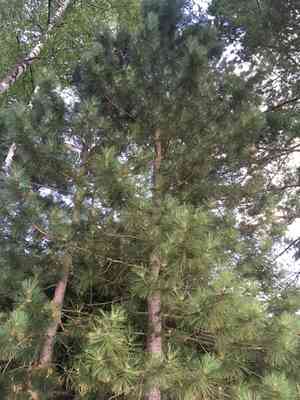
Originating from North America, this majestic evergreen is recognized for its elongated, upright stem and reddish-hued outer layer. For red pine, trimming ought to concentrate on excising deceased or fractured limbs, thinning to enhance airflow, and sculpting for visual appeal or to lessen dangers. The most suitable time for pruning is in the colder months when the tree is inactive. Ensure tools are disinfected to avert the transmission of pathogens. Pruning boosts the tree's well-being and framework, simultaneously diminishing the chance of branches detaching.
Advantages of Trimming Red Pine
Advantages of Trimming Red Pine
Trimming red pine promotes robust development by eliminating dead or weak limbs, improving air circulation and sun exposure. It also helps maintain the plant's desired form for aesthetic appeal and structural soundness.
Optimal Period for Trimming Red Pine
Optimal Period for Trimming Red Pine
Winter is considered the best time for trimming red pine because the plant is dormant during this season. This inactive growth phase minimizes stress on red pine and limits sap flow, which can attract pests and cause excessive bleeding if pruned during active growth. Winter pruning allows for better wound recovery once growth resumes in spring, ensuring red pine maintains good health and structural integrity. Additionally, without leaves, it's easier to identify and access branches needing removal or shaping.
Required Tools for Trimming Red Pine
Hand Pruners
Perfect for cutting small branches up to 1 inch in thickness; ensure they are sharp for clean cuts to avoid harming red pine.
Loppers
Suitable for branches between 1 and 2 inches in diameter; longer handles offer leverage and reach into the canopy.
Pruning Saw
Essential for removing larger branches over 2 inches thick; a saw with a curved blade simplifies cutting at various angles.
Pole Pruner
Enables cutting branches up to 1.5 inches in diameter on taller red pine without a ladder, enhancing safety.
Chainsaw
Useful for cutting very thick branches or when removing large sections of red pine; professional help is advised for safety and precision.
Pruning Shears
Crucial for shaping and thinning the foliage; bypass shears are preferred for their precise cutting action.
How to Trim Red Pine
Step1: Timing for Dormant Season Pruning
Determine the best time of year to trim red pine, which is late winter to early spring before new growth starts. Pruning during this dormant period encourages quick healing and reduces the risk of disease or pest infestation.
Step2: Preparing Adequate Pruning Equipment
Gather the appropriate tools for trimming red pine, such as a sharp saw for larger branches, pruning shears for smaller branches, and loppers for medium sizes. Ensure all tools are clean and sanitized to prevent disease spread.
Step3: Wearing Protective Safety Gear
Don safety gear, including gloves and protective eyewear, to prevent injuries from falling debris or sharp tools during the trimming process.
Step4: Removing Dead Wood from the Plant
Start by removing all dead wood from red pine. Use pruning shears to snip off small, dead twigs and a saw for larger dead branches. Cut close to the trunk or to the main branch without damaging the branch collar to allow for proper healing.
Step5: Trimming Damaged Branches for Healthy Growth
Trim damaged branches on red pine that show signs of mechanical injury or have been broken by storms. Make cuts on damaged branches just above a lateral branch or bud that is facing outward to encourage the correct growth direction.
Step6: Disease Inspection and Limb Removal
Inspect red pine for any signs of disease. If you find diseased limbs, remove them by cutting at least several inches below the diseased area. Do not compost diseased limbs; instead, dispose of them appropriately to prevent the spread of disease.
Step7: Conserving Natural Shape and Avoiding Over-Pruning
While trimming red pine, make sure to maintain the natural shape of the tree, avoiding over-pruning, as red pine has a self-pruning nature and typically requires less cutting back than other species. Never remove more than 25% of the crown in a single season.
Step8: Post-Pruning Cleanup
After trimming red pine, clean up all debris and dispose of it properly to prevent any spread of disease or pests that could harm the tree.
Step9: Sanitizing Tools to Prevent Disease Spread
Sanitize all trimming tools after use with a solution of one part bleach to nine parts water to prevent transferring potential diseases to other plants or subsequent pruning sessions.
Step10: Monitoring Plant Health Post-Pruning
Monitor red pine for signs of stress or disease in the weeks following trimming. Proper care after pruning includes watering during dry periods and applying mulch around the base of the tree to preserve soil moisture.
Post-Trimming Care for Red Pine
Post-Trimming Care for Red Pine
After trimming red pine, promptly clean cuts with a sterile solution to prevent disease. Adjust light exposure ensuring red pine receives full sun for robust growth. Maintain moderate humidity and protect red pine from drastic temperature shifts. Implement a balanced fertilizer regimen to supply essential nutrients for recovery. Regularly inspect for stress indicators like wilt or discoloration, and for infection signs like resin oozing. If symptoms arise, consult an arborist for targeted treatment.
Common Trimming Errors with Red Pine
Overly Aggressive Pruning
Trimming too aggressively, which can cause stress to red pine and lead to poor growth or increased susceptibility to disease.
Using Blunt or Dirty Tools
Using dull or unclean trimming tools which can damage branches and create jagged cuts that are more prone to infection.
Removing Central Leader
Removal of the central leader, which can destroy the natural form of red pine and reduce its aesthetic value.
Ignoring Plant's Natural Shape
Ignoring the natural shape of red pine when trimming, leading to an unnatural appearance and potential harm to the tree's structural integrity.
Pruning Without Clear Purpose
Trimming without a clear purpose or goal, resulting in unnecessary cuts that do not contribute to the health or form of red pine.
Common Trimming Tips for Red Pine
Use Sharp and Clean Pruning Tools
Ensure trimming tools are sharp and clean before making any cuts to prevent tearing the branches and reduce the risk of transmitting diseases.
Remove Dead or Diseased Branches
Focus on removing dead, diseased, or damaged branches to maintain the health and appearance of red pine, which also reduces the likelihood of pest infestations.
Prune with Proper Cutting Angle
Make cuts at a slight angle away from the trunk and just outside the branch collar to promote proper healing and prevent damage to the main trunk.
Maintain Natural Tree Shape
Trim in a manner that maintains the tree's natural pyramidal shape, focusing on thinning rather than topping or shearing.
Cut Back to Strong Lateral Branches
When shortening a branch, cut back to a lateral branch that is at least one-third the diameter of the branch being removed to ensure the health of red pine.
Have a Pruning Plan
Plan the trimming process before starting, identifying which branches to remove to achieve the desired shape and health outcome without over-pruning.



