Enhancing Your Garden Design with the Red pine Plant: A Landscaping Guide
1
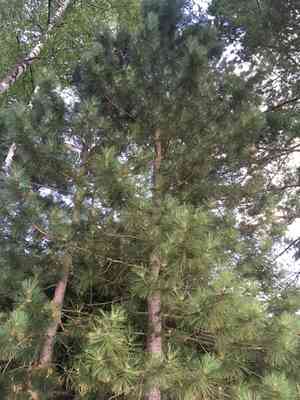
Red pine makes an excellent centerpiece in your garden, thanks to its distinct texture and hue.
2
Correct positioning and adequate spacing for Red pine are vital for its robust development and visual charm.
3
Red pine not only improves your landscape's look but also benefits the ecosystem.
Introducing Red Pine in Landscape Design
Understanding Red Pine's Role in Outdoor Environments
In landscape architecture, Red Pine is crucial due to its adaptability and visual appeal. This versatile plant can be integrated into various garden designs, from offering shade and privacy to forming natural boundaries. Its robust and picturesque qualities make it a top choice for many designers aiming to craft tranquil and beautiful outdoor areas.
Advantages of Incorporating Red Pine into Your Garden
Adding Red Pine to your garden provides numerous benefits. It not only enhances your landscape's beauty with its vibrant colors and textures but also serves as a windbreak and provides wildlife habitat. Furthermore, Red Pine demands minimal care once established, making it a practical option for those seeking to improve their garden without extensive upkeep.
Design Principles with Red Pine
Integrating Red Pine with Other Plant Varieties
A key consideration when designing with Red Pine is how it blends with other plant species. Selecting compatible plants that share similar growing conditions and aesthetic traits can lead to a unified and balanced landscape. Pairing Red Pine with flowering shrubs or perennials can create striking visual contrasts and a dynamic garden setting.
Color Contrasts and Textures Provided by Red Pine
The distinct coloration and texture of Red Pine can be strategically utilized in landscape design to generate compelling visual interest. Its deep green needles and reddish-brown bark stand out against lighter foliage, adding depth and dimension to your garden. Employing these natural contrasts can help highlight specific areas, drawing attention to particular features or paths.
Creating Focal Points Using Red Pine
Red Pine can serve as a captivating focal point in your garden due to its size and unique appearance. When strategically positioned, it can anchor a garden design and provide a central element around which other design components revolve. Whether planted as a solitary specimen or in a cluster, Red Pine possesses the presence to dominate a landscape and offer year-round appeal.
Practical Placement and Spacing of Red Pine
Optimal Locations for Planting Red Pine
Selecting the correct site for planting Red Pine is vital. It thrives best in well-drained soil and areas receiving ample sunlight. Placing Red Pine where it is shielded from strong winds and harsh weather will help ensure its longevity and healthy development. Additionally, planting it near paths, patios, or as part of a natural screen can boost the functionality and beauty of your outdoor space.
Considering Growth Habits and Space Requirements
Understanding Red Pine's growth patterns and spatial needs is crucial to prevent overcrowding and ensure each plant has sufficient room to thrive. Red Pine can grow quite tall and wide, so it's important to space them appropriately to accommodate their mature size. Proper spacing not only promotes healthy growth but also maintains the aesthetic harmony of your landscape design.
Ecological Advantages of Red Pine
Red Pine's Impact on Local Wildlife
Red Pine significantly benefits local wildlife by offering shelter and sustenance for various species. Birds, insects, and small mammals often find refuge in its branches, while some species consume its seeds. Incorporating Red Pine into your landscape can thus foster biodiversity and support the local ecosystem.
Red Pine's Contributions to Soil Health and Air Quality
Beyond its visual appeal, Red Pine plays a vital role in enhancing soil health and air quality. Its roots help stabilize soil and prevent erosion, while the tree itself can filter pollutants from the air, promoting cleaner, healthier surroundings. By planting Red Pine, you positively contribute to the environment while also improving your garden's attractiveness.
Cultural Significance and Historical Use of Red Pine
Traditional Applications of Red Pine in Landscaping
Historically, Red Pine has been utilized in various cultural traditions and landscaping practices. Its timber has been valued for construction and furniture, while its aesthetic qualities have made it a favorite in formal gardens and natural landscapes alike. Understanding these traditional uses can inspire contemporary design choices and add historical depth to your garden.
Inspiring Designs Featuring Red Pine Globally
Numerous inspiring garden designs featuring Red Pine exist worldwide. From traditional Japanese gardens to modern urban parks, Red Pine has been employed in a variety of settings to create stunning landscapes. Exploring these designs can offer valuable ideas and inspiration for integrating Red Pine into your own garden.
Maintaining Red Pine's Beauty
Seasonal Considerations for Red Pine Care
Proper Red Pine maintenance involves accounting for seasonal changes. Regular watering during dry spells, mulching to retain soil moisture, and protecting the plant from severe winter conditions are essential for its upkeep. Seasonal pruning can also help maintain its form and encourage vigorous growth.
Long-Term Health and Visual Appeal of Red Pine
Ensuring Red Pine's long-term health and aesthetic appeal requires consistent care and observation. Regular inspection for pests and diseases, appropriate fertilization, and maintaining soil health through organic matter are key practices. By addressing these aspects, you can enjoy the enduring beauty and benefits of Red Pine in your garden for many years.



