How to Overwinter Red pine
1
Red pine tolerates temperatures down to -30°C (-22°F).
2
Applying mulch helps shield Red pine roots from freezing.
3
Frequent checks in winter prevent lasting harm to Red pine.
Understanding Red pine Overwintering
Understanding Red pine Overwintering
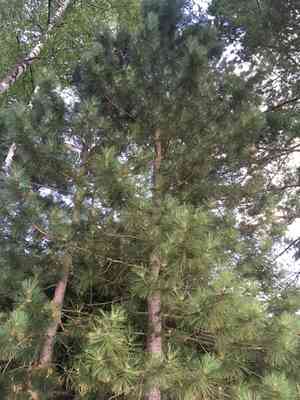
The Red pine (Pinus resinosa), known for its height and reddish bark, is a resilient evergreen. Whether you're an experienced gardener or a novice, knowing how to overwinter your Red pine is vital for its health and longevity. This guide will provide practical steps to ensure your tree thrives through winter's severe conditions.
Preparing Red pine for Winter
Soil Preparation
Proper soil preparation is critical. Ensure the soil around your Red pine drains well. This can be achieved by mixing in organic material such as compost or pine bark. Well-draining soil prevents water from freezing and harming the roots.
Watering Practices
Before the ground freezes, water your Red pine deeply. This helps the tree stay hydrated through winter. Aim to water until the soil is moist to a depth of 30 centimeters (12 inches). Too much water can lead to root rot, so ensure proper drainage.
Mulching Techniques
Mulching is an excellent way to protect Red pine roots from frost. Apply a layer of mulch about 5-10 centimeters (2-4 inches) thick around the base of the tree. Use materials like straw, wood chips, or leaves. Mulch will help maintain soil temperature and moisture levels.
Protecting Red pine from Harsh Winter Conditions
Wind Breaks
Winter winds can be damaging. Erecting windbreaks can protect your Red pine from harsh, drying winds. Plant shrubs or build temporary fences to shield your tree. This reduces moisture loss and prevents windburn.
Snow Protection
Heavy snow can damage the branches of Red pine. Gently brush off heavy snow to prevent branches from breaking. Avoid shaking the tree violently, as this can cause more harm than good.
Pest Management
Winter pests can threaten Red pine. Regularly inspect the tree for signs of pests like pine bark beetles. Remove and treat any infested branches to prevent the pests from spreading.
Monitoring Red pine During Winter
Regular Inspections
Regular inspections are essential. Check your Red pine weekly for signs of distress. Look for discoloration, unusual needle drop, or signs of pests.
Identifying Stress Signs
Recognizing stress signs early can save your Red pine. Indicators include browning needles, sparse foliage, and visible damage to bark or branches. Addressing these issues promptly helps maintain the tree's health.



