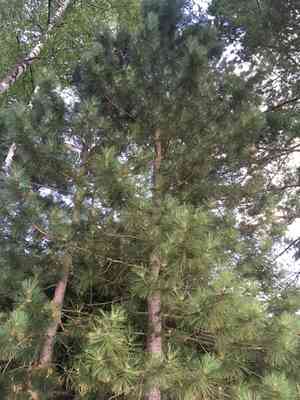
Red pine (Pinus resinosa)
Also known as: Norway pine
The Red Pine (Pinus resinosa), also called the Norway Pine, is the state tree of Minnesota. This coniferous tree is native to North America.
In This Article
Attributes of Red pine
Lifespan
Perennial
Plant Type
Tree
Plant Height
20 m to 35 m
Spread
6 m to 8 m
Leaf Color
Green Yellow
Flower Size
N/A
Flower Color
Yellow Orange
Images of Red pine
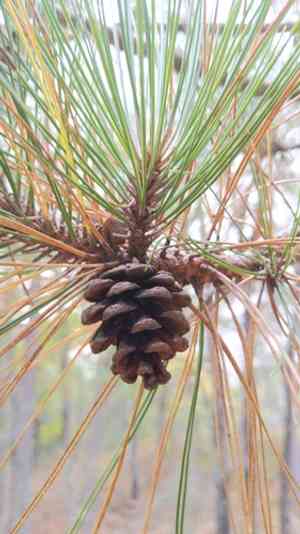
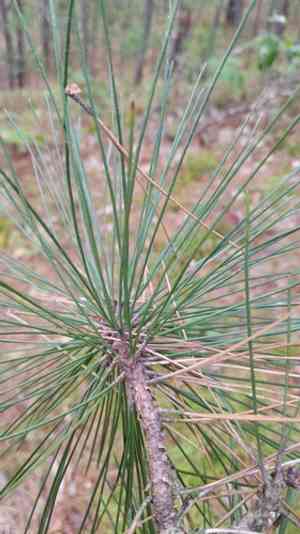
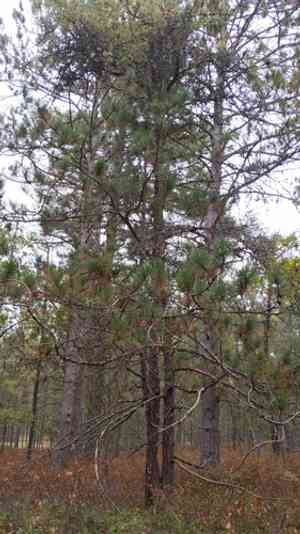
Quickly Identify Red pine
1
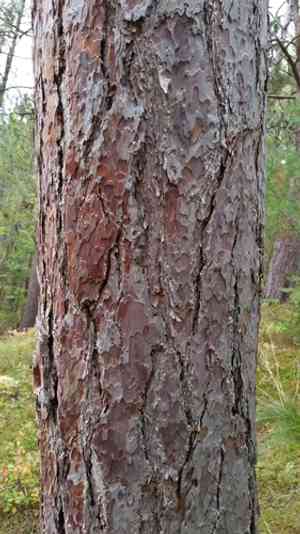
Identification of Pinus resinosa can be done by noting its reddish-brown bark, which is divided into irregular, scaly plates. The needles, occurring in pairs, are long (4-6 inches), dark green, and slightly twisted.
Scientific Classification of Red pine
Phylum
Vascular plants
Class
Conifers
Order
Pinales
Family
Pine
Genus
Pines
Species
Red pine
Planting and Growing of Red pine
Care Difficulty
Easy
Watering Schedule
Every 2 days
Sunlight Requirements
Full sun
Sunshine Duration
6-10 hours
Ideal Temperature
60-75℉
Soil Type
Potting Mix, Peat Mix
Soil pH
4.5-6.5
Fertilizer Type
Balanced
Pruning Season
Spring, Summer
Pruning Area
Branches, Leaves
Pruning Frequency
Once a year
Repotting Season
Spring
Pot Type
Ceramic, Plastic
 How to Water Red pine?
Red pine (Pinus resinosa) requires a moderate amount of water, approximately 500 ml per watering. This amount ensures the soil is moistened adequately without becoming waterlogged. Always aim for soil that is damp but not overly saturated, as excessive water can drown the roots.
What are the symptoms of an underwatered Red pine?
›
What should I do if my Red pine is not getting enough water?
›
What are the symptoms of an overwatered Red pine?
›
How to save an overwatered Red pine?
›
 What Are the Sunlight Requirements for Red pine?
Pinus resinosa thrives in full sun conditions. Ensuring an adequate 6-8 hours of sunlight promotes vigorous growth, maintaining the deep green, healthy needle foliage, and overall structural integrity.
More About Sunlight Requirements Techniques→
Optimal Sunlight Duration
›
Location Needs
›
Supplementary Measures
›
 What Is the Ideal Temperature Range for Red pine?
The ideal temperature range for Pinus resinosa, also known as red pine, is between 60°F to 75°F. This range supports the best growth and development of the plant by providing conditions that mimic its native environments. In this temperature range, red pines are more likely to flourish, with healthy needle color and robust growth patterns.
 What Soil is Best for Red pine?
Red pine thrives in well-drained soils, preventing waterlogging that can damage roots. This type of soil ensures proper aeration, encouraging healthy growth and reducing the risk of root rot. This pine prefers soil that retains some moisture, but is not constantly wet. Maintaining moderate moisture levels supports steady growth and yield without the stress of drought or flooding. While not exceedingly demanding, Pinus resinosa benefits from soils with organic matter. Nutrient-rich soil ensures vigorous growth by providing necessary minerals and supporting root development.
More About Soil→
 How to Fertilize Red pine?
Pinus resinosa, commonly known as red pine, typically thrives in nutrient-poor soils, meaning it does not require heavy fertilization. When fertilizing, use a balanced fertilizer with a 10-10-10 NPK ratio. Ensure not to exceed 1 pound of fertilizer per every inch of tree diameter annually, as pine trees are sensitive to nutrient overload.
 How to Prune Red pine?
Carefully inspect your Pinus resinosa to identify any weak, dead, or crossing branches that require removal. Pay attention to the tree's overall shape and areas where sunlight needs better penetration. When making cuts, ensure they are clean and precise. Avoid tearing the bark. This prevents excessive sap loss and minimizes stress on the tree. After pruning, monitor the tree for any signs of stress or disease. Water it adequately and consider applying a slow-release fertilizer to promote healthy recovery and growth.
More About Pruning Techniques→
 How to Propagate Red pine plant?
1
To propagate Pinus resinosa through seeds, first collect cones from mature trees. Allow the cones to dry properly until they open and release seeds. Ensure seeds are viable by performing a float test; discard seeds that float.
2
For cutting propagation, select a healthy branch and make a cutting about 6 inches long. Remove the lower leaves and dip the cut end in rooting hormone before planting in a well-draining potting mix.
3
Plant seeds in prepared seed trays, covering them lightly with soil. For cuttings, insert into a potting mix that retains moisture but drains well. Maintain appropriate moisture conditions to promote germination or rooting.
 How to Repot Red pine plant?
1
With Pinus resinosa, the ideal signal for repotting comes when you notice the roots beginning to circle the pot or emerge from drainage holes. This indicates the current pot size is constraining growth. Typically, early spring or autumn is perfect, offering the plant mild temperatures to recover.
2
Select a pot that is 2-4 inches larger in diameter than the current one, ensuring it has proper drainage holes. A slightly larger pot provides room for growth without risking overwatering issues, giving your Pine room to anchor deeply.
3
Opt for a well-draining sandy loam mix, perhaps incorporating a bit of pine bark. This mixture mimics the natural habitat, ensuring excellent aeration for root health and minimizing water retention problems, promoting vigorous growth and preventing root rot.



