How Much Sunlight Do Red pine Need?
1
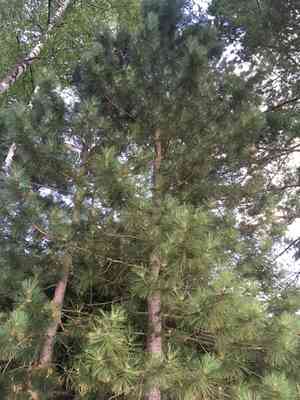
Red pine flourishes in direct sunlight, needing over six hours of sun each day.
2
It endures some shade but won't develop as vigorously in less illuminated spots.
3
Sunlight strength varies with seasons, so reposition as needed.
Grasping Red Pine Light Requirements
Native Environment and Solar Exposure
To comprehend a Red pine's light needs, one must examine its natural habitat. Indigenous to North America, the Red pine thrives in areas with abundant sunlight. It typically grows in regions where it experiences direct sun all day. This exposure to ample light is vital for its development, contributing to its distinct reddish-brown bark and long, robust needles.
Ideal Solar Conditions
For peak development, a Red pine should be situated in locations receiving full sun. This implies providing at least six hours of direct sunlight daily. Full sun exposure enables the tree to photosynthesize efficiently, ensuring vigorous growth, vibrant coloration, and overall health. While somewhat adaptable to partial sun, it won't reach its full potential without complete sun.
How Many Hours of Direct Light Does a Red Pine Require?
Daily Light Demands
A thriving Red pine needs a minimum of six hours of direct sunlight every day. Full sun exposure assists the tree in maximizing photosynthesis, which is crucial for its growth and vigor. If you can offer even more light, your Red pine will likely flourish further.
Seasonal Changes in Light Needs
Sunlight varies with the seasons, and so do the requirements of your Red pine. During summer, with longer days, increased sunlight benefits the tree. However, as days shorten in winter, the tree needs less light and enters a more dormant phase. Monitoring and adjusting your Red pine's exposure based on seasonal shifts can help maintain its health year-round.
What Occurs if a Red Pine Receives Excessive or Insufficient Light?
Indicators of Light Stress
Too much sunlight can cause a Red pine to display signs of stress such as browning needles and scorching. If you observe the needles turning yellowish or the bark appearing unusually dry, it might be getting too much sun. Conversely, if the tree is in partial sun, it may not show these symptoms but will likely grow slower and seem less vibrant.
Symptoms of Inadequate Light
A Red pine not receiving sufficient sunlight will often exhibit signs like sparse foliage, slower development, and a general dullness in hue. Over time, insufficient light can weaken the tree, making it more vulnerable to diseases and pests. Ensuring a consistent, full sun environment is key to preventing these issues.
How to Remedy Light Problems
If your Red pine isn't getting the correct amount of sunlight, there are steps you can take. For trees suffering from too much sun, consider offering partial shade during the hottest part of the day, especially in extreme climates. On the other hand, for trees not receiving enough light, relocating them to a more open area with fewer obstructions can make a significant difference.
Advice for Providing the Right Amount of Light
Choosing the Optimal Planting Site
Selecting the correct location for planting your Red pine is vital. Aim for an area in your yard that receives ample sunlight throughout the day. Avoid placing the tree near tall structures or other trees that could cast shadows and limit light.
Utilizing Shade and Sun for Young Red Pines
Young Red pine trees can benefit from a blend of sun and partial shade. This helps them gradually acclimate to full sun conditions, reducing the shock and stress that comes with immediate full exposure. As the tree matures, ensure it progressively gets more sunlight.
Employing Reflective Surfaces to Boost Light
In areas where it might be challenging to ensure full sun, you can use reflective surfaces to enhance sunlight exposure. Positioning light-colored surfaces or reflective materials around your Red pine can help direct additional light to the tree, assisting it in meeting its sunlight requirements even in less than ideal conditions.



