How to Transplant Date palm?
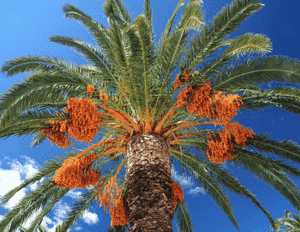
Relocate date palm in the early to middle part of spring or from late autumn to mid-winter for the best outcome, since these periods provide perfect circumstances for root development. Confirm that date palm is situated in a bright spot with soil that drains effectively. Carefully loosen the root mass during transplantation to stimulate fresh development.
What Preparations are Needed Before Transplanting Date Palm?
What is the Ideal Time for Transplanting Date Palm?
The best period to move date palm is from early spring through mid-spring or late autumn through mid-winter. This timing allows the plant sufficient time to establish its root system. Relocating date palm during these cooler periods promotes stronger growth in warmer seasons. Therefore, carefully plan your transplanting operation! This will result in a robust, flourishing date palm.
How Much Space Should You Leave Between Date Palm Plants?
To provide your date palm ample room to grow, plant them approximately 20-30 feet (6-9 meters) apart. This spacing ensures their roots and branches have enough area to expand and thrive.
What is the Best Soil Mix for Date Palm Transplanting?
For date palm, the optimal soil type is a well-draining, sandy loam with a pH between 8-11. Prior to transplanting, enrich the soil with a foundational fertilizer, such as compost or aged manure, to supply essential nutrients.
Where Should You Relocate Your Date Palm?
When selecting a new spot for your date palm, choose a location that receives full sun exposure â at least 6-8 hours of direct sunlight daily. This will ensure optimal growth and fruit development.
What Equipments Should You Prepare Before Transplantation Date Palm?
Gardening gloves
To safeguard your hands while handling this plant and the soil.
Shovel or Garden trowel
To excavate and lift the plant's root ball from its original position.
Pruning shears
For trimming any dead or damaged roots and stems.
The Watering Can
To hydrate the soil and plant before and after relocation.
Wheelbarrow or Tarp
Useful for moving the plant to its new site.
Wooden Stake & Soft Ties
If date palm plant is tall, these will offer support after moving the plant.
How Do You Remove Date Palm from the Soil?
How Do You Remove Date Palm from the Soil?
From Ground: First, thoroughly moisten date palm plant and its surrounding soil using a watering can. Then, carefully work the shovel or trowel around the plant. Create a wide circle to ensure the root ball remains intact during extraction. Once the circle is fully dug, use the shovel to scoop beneath the root ball and lift the plant out.From Pot: Water the date palm plant until the soil is damp. Gently invert the pot while holding your hand over the soil surface with the plant's stem between your fingers. Lightly tap the pot's edge to loosen the root ball and slide the plant out. If the plant is difficult to remove, cutting the pot may be necessary.Seedling Tray: Water the seedlings to dampen the soil. Then, carefully extract date palm plant using a small tool like a spoon or a popsicle stick. Ensure not to harm the root ball during removal.
Step-by-Step Guide for Transplanting Date Palm
Preparation
Thoroughly water the new location a day prior to transplanting. Then, dig a hole twice as wide and as deep as the date palm's root ball.
Root Pruning
Trim away any visible dead or damaged roots from the date palm using pruning shears.
Planting
Position the date palm in the hole, ensuring the top of the root ball is level with or slightly above the surrounding soil to prevent water accumulation. Backfill with soil.
Support
If the date palm requires support due to its height, insert a wooden stake into the ground and loosely secure the plant to the stake using soft ties.
Watering
Water the date palm immediately after transplanting. The initial deep watering will settle the soil around the root ball.
How Do You Care For Date Palm After Transplanting?
Check-ups
Closely monitor your date palm for several weeks after transplantation, looking for any signs of stress such as yellowing leaves or wilting.
Watering
Maintain consistent soil moisture levels. Do not let the plant dry out, but also avoid overwatering, as this can increase the risk of root rot.
Ties adjustments
Regularly adjust the soft ties to ensure they are not too tight, which could cause damage as the date palm grows.
Leaf-care
If any leaves turn yellow or brown, remove them so the plant can direct energy towards new growth.
Winter-care
Protect the date palm during its first winter after transplanting, using mulch or a protective wrap to insulate it from cold temperatures. Remember to remove the protection once the weather warms.
Troubleshooting Common Issues with Date Palm Transplantation.
When is the best time to transplant a date palm?
The ideal period to transplant a date palm is from early to mid-spring, or from late fall to mid-winter. This allows the plant time to establish before extreme weather conditions.
How much space is needed between date palm plants?
To ensure healthy development, maintain a good distance between date palm seedlings, ideally 20-30 feet (6-9 meters). This provides ample room for roots and canopies to spread.
Why is my transplanted date palm showing signs of wilting?
Wilting can be caused by transplant shock, a common issue for date palm. Keep soil consistently moist and shield the plant from direct sunlight to aid its recovery.
My transplanted date palm is looking yellowish, what should I do?
Yellowing indicates under-watering or high salt concentration. Ensure the date palm receives adequate water, and if the problem persists, consider testing the soil's salt levels.
Can I transplant my date palm in any kind of soil?
No, date palm prefers well-drained soil. Overly saturated soil can lead to rot, while excessively dry soil may impede root development. Strive for balanced moisture levels for healthy growth.
The leaf tips of my date palm are turning brown after transplanting. Why?
Brown leaf tips can signal insufficient watering or exposure to direct, intense sunlight, both leading to dryness. Ensure your date palm receives optimal watering, and consider providing shade if in high-heat areas.
What if my date palm isn't growing as expected after transplantation?
Inconsistent growth can stem from inadequate sunlight, poor soil fertility, or improper watering. Evaluate these factors and make adjustments as needed to enhance your date palm's development post-transplantation.
Why isnât my transplanted date palm producing fruit?
Your date palm may not produce fruit if it's too young, there's insufficient pollination, or environmental conditions are not ideal. Patience, natural pollinators, and good care can improve the situation.
Is it necessary to stake my transplanted date palm?
Yes, it's beneficial to provide a stake for your young date palm to prevent bending or breaking, especially in windy conditions. Staking will support their upright growth.
Can overwatering harm my transplanted date palm?
Indeed, overwatering can cause root rot and other diseases. While date palms appreciate moist soil, it's crucial to avoid waterlogged conditions. Monitor the soil moisture to prevent overwatering.



