How Much Sunlight Do Date palm Need?
1
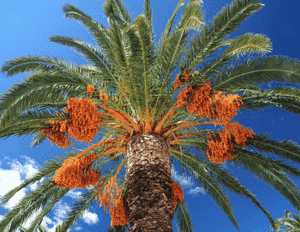
Date palms flourish when exposed to over six hours of unshaded sunlight each day.
2
They can endure some indirect light, though this may result in a smaller fruit harvest.
3
Careful consideration of location and distance between plants is vital for maximum light absorption.
Optimal Solar Conditions for Date Palm
Full Sunlight Requirement
The Date palm is a heliotropic plant that flourishes in full sun environments. For peak development and fruit yield, it demands over 6 hours of direct solar exposure daily. This abundant sun exposure allows the plant to perform photosynthesis effectively, fostering more robust and vigorous growth. When planting a Date palm, select a location that receives ample sunlight throughout the day.
Partial Shade Resilience
While the Date palm prefers bright sun, it can withstand some partial shade. However, cultivating this tree in partial shade may lead to diminished growth rates and reduced fruit harvest. It's important to recognize that consistent exposure to less sun might negatively impact the plant's overall vitality and output. If full sun isn't available, aim for a site where the Date palm gets at least several hours of direct light daily.
Seasonal Light Fluctuations
In areas with distinct seasons, the sun exposure a Date palm receives can vary over the year. During colder months, the sun's angle is lower and daylight hours are shorter, resulting in less light for the plant. During these periods, ensure the Date palm is still positioned to capture as much sunlight as possible. Conversely, in warmer months, the extended duration and intensity of sunlight create ideal conditions for vigorous growth and fruit formation.
Advantages of Appropriate Sunlight for Date Palm
Improved Growth and Development
Correct sunlight is vital for the Date palm's enhanced development and maturation. Sufficient light enables the plant to photosynthesize efficiently, generating the energy required for strong growth. With the right amount of solar exposure, the Date palm will develop more sturdy trunks and fronds, making it more resilient and visually appealing.
Peak Fruit Production
Sunlight directly influences the Date palm's capacity to yield fruit. For maximum fruit production, the Date palm needs full sun exposure. Ample sunlight ensures the tree can develop healthy flower clusters, which subsequently transform into fruit. Insufficient sunlight will result in poor fruit set and lower harvests, diminishing the plant's overall productivity.
Disease Protection
A brightly lit environment helps enhance the Date palm's resistance to ailments. Sunlight aids in drying the plant's foliage, lessening the chance of fungal infections and other diseases that thrive in damp, shaded settings. By ensuring your Date palm receives adequate sunlight, you are actively promoting a healthier, more disease-resistant plant.
Recognizing Sunlight Shortage in Date Palm
Indicators of Inadequate Sunlight
Signs that a Date palm isn't receiving enough sunlight include yellowing fronds, stunted development, and poor fruit yield. Additionally, the fronds might become elongated and frail as the plant stretches toward available light. If you observe these symptoms, it might be time to re-evaluate the plant's placement and make adjustments to ensure it gets better light exposure.
Remedial Actions
If your Date palm exhibits signs of sunlight deficiency, consider moving it to a more luminous location. Trimming nearby plants or trees that cast shadows can also help improve light access. In some instances, you might need to prune overgrown fronds to allow more light to reach the plant's core. Ensuring the Date palm receives at least 6 hours of direct sunlight daily is crucial for correcting any shortages.
Best Practices for Maximizing Solar Exposure
Site Selection
Choosing the optimal site for planting your Date palm is paramount. Seek a location that receives unobstructed sunlight for the majority of the day, ideally on the south or west side of your property where sunlight is abundant. Avoid planting near buildings, tall trees, or other structures that may cast shadows and reduce the amount of light your Date palm receives.
Appropriate Spacing
Correct spacing between plants is essential to maximize light access. Prevent overcrowding your Date palm with other vegetation or structures. Ensure there is ample space for light to penetrate the canopy and reach all parts of the tree. This not only enhances solar exposure but also improves air circulation, which benefits the tree's health.
Pruning Methods
Regular pruning can help enhance sunlight exposure for your Date palm. Remove dead or overly long fronds that might block light from reaching the inner sections of the tree. Pruning should be carried out carefully to prevent harming the plant. By maintaining a well-pruned Date palm, you ensure it receives the maximum amount of sunlight it needs for healthy growth and fruit production.



