How to Overwinter Date palm
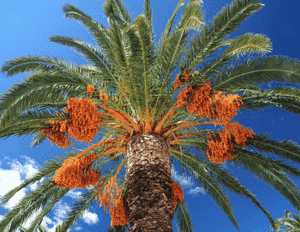
1
Interesting Fact: Date palms are sensitive to cold and require particular attention in winter for optimal growth.
2
Helpful Hint: Slowly introduce your Date palm to an indoor environment to avoid sudden changes and strain.
3
Note: Discolored leaves, either yellow or brown, may indicate excessive watering or inadequate illumination.
Why Overwinter Your Date palm?
Why Overwinter Your Date palm?
Overwintering your Date palm is crucial due to its susceptibility to frost. These tropical plants flourish in warm, sunny environments but can suffer when temperatures drop. By bringing your Date palm indoors for winter, you shield it from frost and cold-induced stress, ensuring it stays healthy and strong until spring. These precautions help your plant thrive and produce the sweet dates we all enjoy.
Preparing Your Date palm for Winter
Inspecting for Pests and Diseases
Before moving your Date palm inside, thoroughly check it for pests and diseases. Common problems include scale, spider mites, and fungal infections. Look for discolored foliage, sticky residue, or webbingâthese indicate infestations. If found, treat them with insecticidal soap or neem oil, ensuring the plant is pest-free before bringing it indoors.
Pruning and Cleaning
Next, trim any dead or damaged fronds to encourage vigorous growth. Use clean, sharp pruning shears for precise cuts, and wear gloves to protect yourself from sharp spines. Wiping the leaves with a damp cloth also removes dust and potential pests, helping your plant respire and photosynthesize more efficiently.
Adjusting Watering Schedule
As your Date palm moves indoors, its water requirements will change. Reduce watering frequency, as growth slows in cooler, indoor settings. Excessive watering can lead to root rot, so it's vital to let the top 5 cm (2 inches) of soil dry out between waterings. A well-draining soil mix can also help prevent excess moisture.
Acclimating to Indoor Conditions
Gradual acclimatization is essential to minimize stress on your Date palm. Begin by bringing the plant indoors for a few hours daily, then extend the duration over a week. This process helps the plant adapt to lower light levels and reduced humidity, preventing shock and promoting a smoother transition.
Ideal Indoor Environment for Date palm
Lighting Requirements
Provide your Date palm with as much natural light as possible throughout the winter. A south-facing window is perfect, as these plants thrive on 6â8 hours of bright, indirect sunlight daily. If natural light is insufficient, consider using a grow light as a supplement.
Humidity and Temperature Control
Maintaining optimal humidity levels (around 50%) and temperatures (18â24°C or 65â75°F) will help your Date palm flourish indoors. Use a humidifier if needed, and avoid placing the plant near heating vents or drafts, which can cause temperature fluctuations and dry out the air.
Soil and Fertilization
Use a well-draining cactus or palm mix to prevent waterlogging. Fertilize sparingly during winter, as the plantâs growth slows. A balanced, slow-release fertilizer applied in early spring will promote healthy growth as the plant returns outdoors.
Common Issues When Overwintering Date palm
Yellowing or Browning Leaves
Yellowing or browning leaves often indicate overwatering, insufficient light, or nutrient deficiencies. Adjust your care routine to provide adequate light and appropriate watering, and ensure the soil drains well to prevent root rot.
Root Rot Prevention
To prevent root rot, ensure your Date palm is in a pot with drainage holes and avoid letting the soil remain soggy. Water only when the top 5 cm (2 inches) of soil is dry, and use a well-aerated mix to support healthy root growth.
Pest Infestations Control
Indoor conditions can sometimes attract pests. Regularly check your Date palm for signs of insects like spider mites or scale. Treat any infestations promptly with insecticidal soap or neem oil to keep your plant healthy.



