How to Prune Date palm?
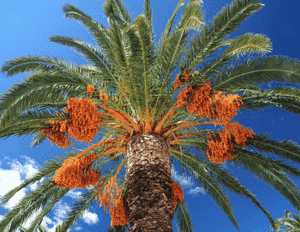
Originating from dry regions, the date palm is recognized for its elevated height and plume-like leaves. Essential trimming techniques include excising deceased or decaying fronds, reducing fruit bunches for enhanced production, and detaching lower foliage to preserve its form. The most favorable period for pruning is from late winter to early spring, encouraging robust development. Trimming is vital for the tree's well-being, aiding in fruit collection, and discouraging infestations. Proper maintenance involves employing sterile cuts and appropriate implements to avert illnesses.
Advantages of Trimming Date Palm
Advantages of Trimming Date Palm
Trimming date palm is crucial for robust development and maintaining its desired form, ensuring optimal fruit yield and tree vitality. Regular removal of lifeless or diseased fronds and thinning the canopy can enhance air circulation, lowering disease risk.
Optimal Time for Trimming Date Palm
Optimal Time for Trimming Date Palm
These periods are considered ideal as they align with the time just before date palm's active growth phase resumes, minimizing plant stress. Trimming in late winter allows for the removal of any cold damage from the foliage and is perfect for shaping the tree without the risk of sunburn on cuts, which can occur in warmer months. Early spring trimming ensures that any cuts made will heal quickly with the onset of new growth and also helps redirect the plant's energy towards producing strong, healthy shoots. Furthermore, trimming before the plant enters its growth cycle can prevent the loss of the current year's fruit, as date palm typically flowers on mature wood, and fruit development follows the flowering phase. Timing the trimming before this cycle allows for better yield and maintenance of plant vitality.
Tools Required for Trimming Date Palm
Long-Handled Pruners
To reach elevated fronds and remove them safely without ascending the date palm.
Pole Saw
This implement allows for severing thicker fronds and branches that are beyond arm's reach. It is extendable and can often be operated from the ground.
Chainsaw
For mature date palm, where extensive trimming is necessary, a chainsaw can be utilized for efficiently cutting very thick branches.
Pruning Saw
For branches too thick for pruners, the pruning saw is suitable for cutting through fibrous date palm material.
Loppers
Hand loppers can be employed for trimming medium-sized fronds and for more precise control when shaping the date palm.
Protective Gear
Safety glasses, gloves, and sturdy clothing are vital to guard against date palm spines and falling debris during the trimming process.
Ladder or Aerial Lift
To safely access higher fronds, given the stature of mature date palm, appropriate elevation equipment is indispensable.
How to Trim Date Palm
Step1: Examine plant for lifeless or damaged growth
Inspect date palm for any dead fronds, suckers, and broken fronds requiring removal. Wear protective gloves and use a stable ladder if the palm is tall.
Step2: Trim lifeless fronds near the trunk
Trim lifeless fronds by cutting them close to the trunk. Use a sharp, clean pruning saw or loppers. Make the cut at a slight downward angle to prevent water accumulation.
Step3: Eliminate suckers to shape and boost main tree
Remove suckers (young shoots emerging from the base of the date palm) to maintain its form and direct growth energy to the main tree. Cut the suckers as close to the trunk as possible without causing damage.
Step4: Sever broken fronds to avert stress
Sever any broken fronds similarly to dead ones to prevent stress on date palm and to deter potential pests and diseases from entering the wounds.
Step5: Dispose of trimming debris to deter pests
Discard the removed material promptly to minimize the risk of pests and diseases.
Step6: Sterilize tools post-trimming to halt disease spread
Clean your trimming tools with alcohol or a bleach solution to prevent the spread of diseases between plants.
Step7: Water plant judiciously post-trimming for recovery
Water date palm adequately after trimming to support its recovery, but do not overwater as date palm is drought-tolerant.
Step8: Observe plant for post-trimming health issues
Monitor date palm regularly for any signs of stress or disease following the trimming and take appropriate action if needed.
Aftercare for Date Palm Post-Trimming
Aftercare for Date Palm Post-Trimming
After trimming date palm, promptly clear debris to prevent pests. Maintain humidity and shade for recovery, avoiding direct midday sun. Adjust watering, keeping soil moist but not saturated. Apply a balanced, slow-release fertilizer to encourage growth. Regularly inspect cuts for signs of disease; treat with fungicides if necessary. Monitor date palm for wilt or discoloration, indicating stress, and adjust care accordingly.
Common Trimming Errors with Date Palm
Excessive Trimming Reduces Fruit Production
Over-trimming, which can stress date palm and reduce its ability to produce fruit or lead to an imbalance in the tree's structure.
Improper Cut Placement Can Damage Tree
Trimming too close to the trunk, potentially harming the tree or creating wounds that can allow pests and diseases to enter.
Dull and Dirty Tools Cause Infection-Prone Cuts
Using dull or unclean tools, which can cause jagged cuts that are more susceptible to infection and do not heal well.
Over-Trimming Green Fronds Affects Nutrient Intake
Removing too many green fronds, which can deprive date palm of essential nutrients required for healthy growth.
Neglecting Sucker Removal Drains Main Tree
Ignoring the removal of suckers or offshoots, which can deplete resources from the main tree and cause overcrowding.
General Trimming Advice for Date Palm
Sanitize Tools to Prevent Disease Spread
Sanitize your trimming tools before and after use to prevent the spread of diseases to date palm.
Proper Distance from Trunk for Healthy Cuts
Make cuts at least a few inches away from the trunk to avoid damage and ensure proper healing. The correct spot is usually just above the base where the frond emerges from the trunk.
Trim Only Dead or Dying Fronds and Flowers
Trim only the dead or dying fronds and flowers, as fronds that are still green contribute to date palm's growth and health.
Remove Suckers to Focus Growth on Main Tree
Regularly remove any suckers or offshoots from the base of date palm to direct growth energy towards the main tree and prevent overcrowding.
Sharp Tools for Clean Cuts Minimize Disease Risk
Use sharp, appropriate-sized tools like pruning saws or loppers for clean cuts, which can heal more efficiently and reduce the risk of disease.



