How to Transplant Dwarf ginseng?
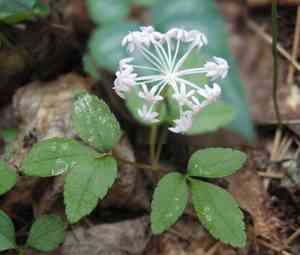
The most favorable period for relocating dwarf ginseng spans from the revitalizing warmth of late spring through the peak of early summer. Select a location offering partial shade and soil that drains effectively. If required, safeguard the root ball's structure to foster successful integration.
Preparations Required Before Relocating Dwarf Ginseng
Optimal Period for Transplanting Dwarf Ginseng
The best time to move dwarf ginseng is during the pleasant transition from late spring to early summer. This period offers balanced weather, avoiding severe late frosts and intense midsummer heat, providing a gentle environment for dwarf ginseng to settle into its new location. Transplanting in this season allows dwarf ginseng to root comfortably in softening soil, benefiting from consistent, moderate temperatures and increased rainfall typical of early summer. This ensures a strong start for dwarf ginseng, enhancing its ability to flourish in subsequent years.
Recommended Spacing Between Dwarf Ginseng Plants
When preparing to plant your dwarf ginseng, an ideal spacing of about 12-15 inches (30-38 cm) apart is recommended. This will provide each plant with sufficient room to grow without competing for nutrients or sunlight.
Ideal Soil Mixture for Dwarf Ginseng Transplanting
For your dwarf ginseng, you'll want to prepare a rich, well-draining soil. A foundational fertilizer high in organic matter, such as compost or aged manure, will provide a good start. Mix it into the top layer of the soil before planting.
Preferred Location for Relocating Your Dwarf Ginseng
Your dwarf ginseng will thrive in a spot with filtered shade, mimicking its natural woodland habitat. Choose a location that receives dappled sunlight or light shade throughout the day to ensure it doesn't get too much direct sun.
Equipment Needed Before Transplanting Dwarf Ginseng
Gardening Gloves
To safeguard your hands while handling soil and plants.
Trowel
For precise digging and transferring of the dwarf ginseng.
Shovel or Spade
To excavate the dwarf ginseng from its original spot, especially if it's in the ground.
Watering Can
For hydrating the dwarf ginseng before removal and after transplanting to aid establishment.
Pruning Shears
To neatly trim any broken or damaged roots or foliage.
Method for Removing Dwarf Ginseng from the Soil
How to Extract Dwarf Ginseng from the Soil
From Ground: First, water the dwarf ginseng to moisten the soil, making digging easier. Use a shovel or spade to create a perimeter wider than the leaf spread to maintain the root ball's integrity. Gently lift with the shovel, keeping as much soil attached to the roots as possible. From Pot: Water the dwarf ginseng thoroughly, then turn the pot sideways and gently tap or squeeze it to loosen the root ball. Grasp the plant's base, and carefully slide it out of the pot, preserving the soil's shape around the roots. From Seedling Tray: Moisten the soil in the tray to simplify root ball extraction. Use a trowel or your fingers to gently remove the seedling with a clump of soil attached, being careful not to disturb the roots.
Step-by-Step Guide for Transplanting Dwarf Ginseng
Prepare the New Planting Hole
Dig a hole in the ground that is twice as wide as the root ball and of equal depth. This provides ample room for the dwarf ginseng's roots to spread.
Placement
Gently position the dwarf ginseng in the hole, ensuring it is at the same depth it was previously growing, preventing it from being planted too deep or too shallow.
Backfilling
Carefully refill the hole with the excavated soil, lightly tamping down around the dwarf ginseng to eliminate air pockets without over-compacting the soil.
Watering
Immediately water the dwarf ginseng thoroughly to settle the soil around the roots and help mitigate transplant shock.
Mulching
Apply a layer of mulch around the base of the dwarf ginseng to retain moisture and regulate soil temperature, but keep the mulch away from the stem to prevent rot.
Post-Transplant Care for Dwarf Ginseng
Careful Watering
Ensure the soil remains consistently moist throughout the first growing season to help the dwarf ginseng develop a strong root system.
Monitoring
Observe the dwarf ginseng for signs of stress, such as wilting or discolored leaves, and address any issues promptly.
Gentle Fertilization
After a suitable period, as advised by local guidelines, fertilize the dwarf ginseng if necessary to encourage growth, but avoid doing so immediately after transplanting.
Addressing Common Issues with Dwarf Ginseng Transplantation
When is the best time to transplant dwarf ginseng?
The ideal transplanting period for dwarf ginseng is during the mild warmth of late spring to early summer.
What spacing guidelines should I follow for dwarf ginseng?
Space dwarf ginsengs approximately 12-15 inches (30-38 cm) apart to ensure adequate room for growth.
How do I prepare the soil for dwarf ginseng transplant?
Enrich the soil with organic matter and ensure it drains well to create an optimal environment for dwarf ginseng.
How deep should the planting hole be for dwarf ginseng?
Dig a hole as deep as the root ball and twice its width to promote root expansion.
Can I transplant dwarf ginseng in full sun?
No, dwarf ginseng thrives in partial to full shade; excessive sun can cause stress to the plant.
How should I water dwarf ginseng after transplanting?
Water thoroughly immediately after planting, then maintain consistent moisture without saturating the soil.
Why are my transplanted dwarf ginsengs wilting?
Wilting may be due to root shock. Keep the soil moist and protect from harsh conditions as they establish.
How do I handle dwarf ginseng roots when transplanting?
Carefully spread roots outward in the hole to encourage outward growth without causing damage.
Is it normal for dwarf ginseng leaves to yellow after transplanting?
Some yellowing may occur due to stress. Ensure sufficient water and shade during the adjustment period.
Should I fertilize dwarf ginseng immediately after transplanting?
Wait a few weeks before fertilizing to prevent root burn, then use a balanced, slow-release fertilizer.



