How to Propagate Dwarf ginseng?
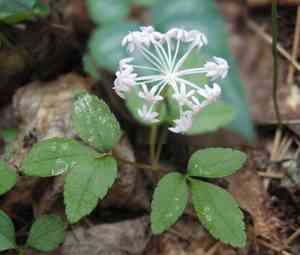
Dwarf ginseng usually reproduces via seeding. Effective sprouting depends on recently gathered seeds being planted in adequately drained soil with appropriate moisture levels. Cold stratification â exposing them to low temperatures â could enhance germination success by mimicking natural winter settings. Careful handling is essential due to the seeds' fragility. Following planting, ensure steady yet moderate watering, replicating the moist forest habitat where dwarf ginseng flourishes.
Optimal Period for Dwarf Ginseng Propagation
Propagation Method
Seeding
Propagation Period
Spring
Equipment Utilized in Dwarf Ginseng Propagation
Seed trays
Seed trays are vital for initiating dwarf ginseng from seeds. They enable uniform planting and straightforward management of the cultivation environment. Seed trays assist in maintaining consistent moisture levels and soil depth, which are crucial for the small, delicate seeds of dwarf ginseng. By employing seed trays, propagators can also efficiently use space and track the growth progress of each seedling.
Fine-grained seed starting mix
A fine-textured seed starting mix is essential for dwarf ginseng, as it offers the necessary fine consistency that promotes seed-to-soil contact, which is critical for the germination of tiny seeds. This blend typically contains a balanced combination of peat moss, perlite, and vermiculite, supporting adequate water retention and drainage, thereby creating an ideal germination environment for dwarf ginseng.
Misting bottle
A misting bottle is employed to gently irrigate dwarf ginseng seeds without disturbing their position or the soil structure. The fine spray from a misting bottle ensures that the seeds receive moisture without becoming waterlogged, which is particularly important for dwarf ginseng's small seeds that could easily be dislodged or buried too deeply by heavier watering methods.
Grow lights or shade netting (depending on light conditions)
Grow lights or shade netting modify the light conditions to suit dwarf ginseng's needs during propagation. Grow lights can compensate for insufficient sunlight when propagating indoors, ensuring that seedlings receive adequate light for successful development. Conversely, shade netting might be necessary outdoors to shield dwarf ginseng from excessive sunlight and heat, which can hinder germination and stress young plants.
Heat mat
A heat mat can be crucial for boosting dwarf ginseng's germination rate, especially in cooler climates or during colder times of the year. It gently warms the soil, encouraging quicker and more uniform germination by keeping the soil at a consistently ideal temperature. This can be particularly beneficial for dwarf ginseng, which may require stable, warm conditions to initiate growth.
How to Propagate Dwarf Ginseng?
Propagation Type
Simple
How to Care for Your Newly Propagated Dwarf Ginseng?
How to Care for Your Newly Propagated Dwarf Ginseng?
Following dwarf ginseng propagation, maintain consistent soil moisture, but avoid waterlogging. Provide filtered or partial shade, mimicking its natural woodland habitat. During the active growth period, supplement with a balanced, slow-release fertilizer to encourage robust development. Monitor for pests and diseases, although dwarf ginseng is generally not susceptible to severe issues. With diligent care, dwarf ginseng will mature over several years, adding its unique aesthetic and botanical qualities to your garden.
Common Mistakes to Avoid When Propagating Dwarf Ginseng
Overwatering
Excessive watering of dwarf ginseng can lead to root rot, which hinders the plant's ability to absorb nutrients and moisture, ultimately stunting or even killing young plants.
Deep Planting
Planting dwarf ginseng too deeply can excessively bury its rhizomes, preventing them from sprouting effectively and increasing the risk of fungal infections.
Ignoring Soil Fertility
Failing to provide nutrient-rich, well-drained soil for dwarf ginseng can result in poor root development and weak growth, as these plants thrive in fertile conditions.
Tips For Propagating Dwarf Ginseng
Rhizome Division
Divide dwarf ginseng rhizomes during dormancy to propagate new plants. Ensure each section has at least one growth bud for successful regeneration.
Soil Preparation
Prepare a loose, well-draining soil rich in organic matter to promote healthy root growth and prevent waterlogging, which is crucial for dwarf ginseng's thriving.
Consistent Moisture
Maintain consistent soil moisture (but not waterlogged) to support dwarf ginseng's growth without overwatering. Aim for damp, not soggy soil.



