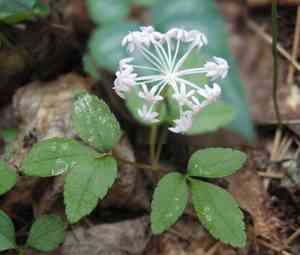
Dwarf ginseng (Panax trifolius)
Also known as: Dwarf Ginseng, Ground-nut
Dwarf ginseng (Panax trifolius) thrives in the damp, deciduous forests of eastern and central North America. This plant favors rich, well-drained soil and typically grows in shaded or semi-shaded locations. It produces small clusters of white to pink flowers in late spring. While it is edible, it is not frequently foraged by herbivores.
In This Article
Attributes of Dwarf ginseng
Lifespan
Perennial
Plant Type
Herb
Plant Height
10 cm to 20 cm
Spread
70 cm
Leaf Color
Green
Flower Size
3 mm
Flower Color
White Green
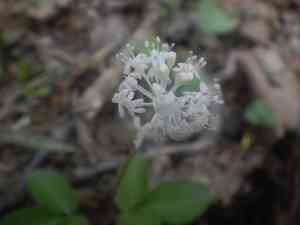
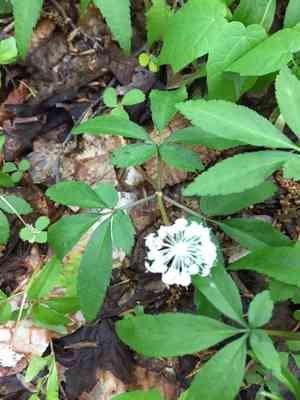
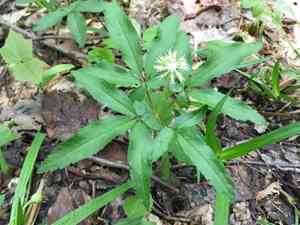
Images of Dwarf ginseng
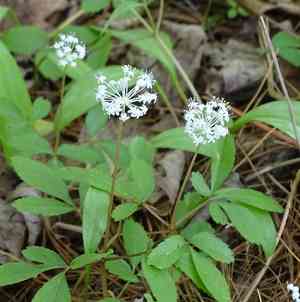
Quickly Identify Dwarf ginseng
1
Panax trifolius can be identified by its trifoliate leaves (3 leaflets per leaf), small white flowers arranged in a compact umbel, and its red berries. The plant usually grows to a height of 15-30 cm and has a small, globe-shaped root.
Scientific Classification of Dwarf ginseng
Phylum
Vascular plants
Class
Dicotyledons
Order
Apiales
Family
Ivy
Genus
Ginseng
Species
Dwarf ginseng
Planting and Growing of Dwarf ginseng
Care Difficulty
Easy
Watering Schedule
Every 4 days
Sunlight Requirements
Partial sun
Sunshine Duration
6-12 hours
Ideal Temperature
60-75℉
Soil Type
Potting Mix, Peat Mix
Soil pH
6.5-7.5
Fertilizer Type
Balanced
Pruning Season
Spring, Summer
Pruning Area
Branches, Leaves
Pruning Frequency
2 times a year
Repotting Season
Spring
Pot Type
Terracotta, Plastic
 How to Water Dwarf ginseng?
Panax trifolius thrives when given water that moistens the soil without creating puddles. Ensure the soil is damp 1-2 inches deep before your next watering. This allows roots to receive adequate moisture while avoiding root rot.
What are the symptoms of an underwatered Dwarf ginseng?
›
What should I do if my Dwarf ginseng is not getting enough water?
›
What are the symptoms of an overwatered Dwarf ginseng?
›
How to save an overwatered Dwarf ginseng?
›
 What Are the Sunlight Requirements for Dwarf ginseng?
Partial sun to full shade is optimal for Panax trifolius, promoting balanced growth and preserving its medicinal properties without risk of light stress.
More About Sunlight Requirements Techniques→
How to achieve ideal lighting?
›
What measures should be taken?
›
What are the benefits of ideal lighting?
›
 What Is the Ideal Temperature Range for Dwarf ginseng?
Panax trifolius thrives best in moderate temperature conditions. Ideally, the temperature range of 60°F to 75°F provides the perfect environment for its growth. This range allows the plant to maintain optimal metabolic functions, ensuring healthy development and robust foliage. Maintaining this temperature range minimizes stress and promotes optimal nutrient uptake.
 What Soil is Best for Dwarf ginseng?
Panax trifolius thrives in soil that has good moisture retention, providing consistent hydration to support its growth. This prevents the plant from drying out, especially during the warmer months, ensuring its health and vibrancy. This plant requires a nutrient-rich soil to support its complex root system and maximize its growth potential. A fertile environment enhances the plant's ability to produce more robust foliage and flowers, contributing to its overall vigor. A well-drained soil is crucial for Panax trifolius as it ensures the roots are not sitting in water, reducing the risk of root rot and other water-related diseases. This is essential for maintaining a healthy root system and stable growth.
 How to Fertilize Dwarf ginseng?
For Panax trifolius, apply a balanced liquid fertilizer diluted to half strength, roughly using a teaspoon for every gallon of water during the growing season. Ensure the soil remains nutrient-rich but not overloaded, as excessive nutrients can burn the roots.
 How to Prune Dwarf ginseng?
Start by disinfecting your pruners to avoid spreading disease. A solution of one part bleach to nine parts water will suffice. This simple step can greatly enhance the health and longevity of the plant. Prune to shape the Panax trifolius to maintain its natural and balanced look. Focus on creating an open structure to improve air circulation, which helps to prevent fungal diseases. Trim selectively to stimulate new shoots. Cutting back just above a robust leaf node can encourage the plant to produce even more lush foliage and maintain its vigor throughout the growing season.
More About Pruning Techniques→
 How to Propagate Dwarf ginseng plant?
1
Gather mature seeds from a healthy Panax trifolius plant by identifying seed pods that have turned brown and dry. Carefully extract and clean the seeds, removing any debris.
2
Fill seed trays with a well-draining soil mixture, creating a medium that retains moisture yet prevents water-logging, essential for seedling growth.
3
For division propagation, gently dig up the plant during early spring, carefully separating the rhizomes and ensuring each division has ample root material to support new growth.
 How to Repot Dwarf ginseng plant?
1
Panax trifolius should be repotted when you notice that its roots are peeking out of the drainage holes or circling at the surface of the pot. This root-bound signal indicates it's time for a fresh space. Additionally, if the plant seems stunted, with minimal growth and yellowing leaves despite good care, it might be longing for a repotting session.
2
Select a new pot that is slightly larger in diameter than the current one, ideally about 1-2 inches wider. It should have ample drainage holes to prevent waterlogging, which could lead to root rot. Material-wise, terracotta pots work wonders as they allow air movement through the walls, promoting healthy root aeration and moisture retention balance.
3
Opt for a well-draining loamy soil mix that is rich in organic matter. This ensures sufficient drainage while maintaining adequate moisture--a crucial balance for Panax trifolius. Adding a handful of perlite to the mix can further improve drainage properties, reducing the likelihood of water stagnation which could harm the roots.
Learn More About Dwarf ginseng Diseases
Anthracnose
Bacterial Leaf Spot
Bacterial Soft Rot
Bacterial Wilt
Chemical Injury
Cyst Nematode
Damping-off
Downy Mildew
Drought Stress
Fusarium Wilt
Gray Mold
Leaf Spot
Mosaic
Nutrient Deficiency
Nutrient Toxicity
Powdery Mildew
Root Rot
Root-knot Nematode
Rusts
Sooty Mold
Spider Mites
Temperature Stress
Thrips Damage
White Mold



