Enhancing Your Garden Design with the Dwarf ginseng Plant: A Landscaping Guide
1
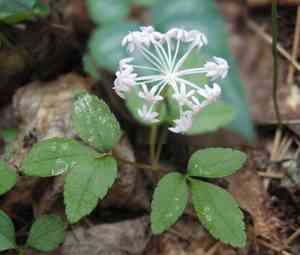
Dwarf ginseng offers a distinct aesthetic appeal in compact garden areas.
2
Selecting an appropriate location for Dwarf ginseng guarantees its best development.
3
The seasonal changes of Dwarf ginseng enhance the variety of the landscape across all seasons.
Exploring the Aesthetic Contribution of Dwarf Ginseng in Gardens
Visual impact of Dwarf ginseng in compact garden areas
In confined garden spaces, Dwarf ginseng offers significant visual appeal. Its modest size makes it perfect for achieving rich, textured appearances without overwhelming limited zones. The delicate blooms and vibrant leaves can establish a focal point, drawing the eye and adding depth and intrigue even to the smallest plots. Integrating Dwarf ginseng allows you to transform a humble garden corner into a captivating natural display.
Dwarf ginseng: An excellent choice for naturalistic planting schemes
Dwarf ginseng is superb for naturalistic plantings due to its compatibility with various plant types and its seamless integration into diverse garden styles. Whether you desire a wild, untamed look or a more structured arrangement, Dwarf ginseng can enhance your garden's natural feel. Its subtle charm complements other plants, forming harmonious and visually pleasing compositions. Furthermore, using Dwarf ginseng in your designs promotes biodiversity and supports local wildlife, making it a sustainable option for environmentally conscious gardeners.
How Dwarf ginseng's seasonal changes enrich landscape diversity
The seasonal transformations of Dwarf ginseng introduce a dynamic element to any landscape. Its foliage and flowers progress through various growth stages, providing continuous interest throughout the year. In spring, Dwarf ginseng emerges with fresh leaves and delicate blossoms. By summer, the plant retains its greenery, offering a lush backdrop for other flowering plants. In autumn, its leaves may change color before dormancy, adding fall hues to the garden. By including Dwarf ginseng, you ensure your landscape remains vibrant and engaging across all seasons, adding layers of visual complexity and ecological variety.
Practical Advice for Incorporating Dwarf Ginseng into Your Landscape
Selecting the optimal location for Dwarf ginseng in your yard
Choosing the best spot for Dwarf ginseng in your yard is vital for its health and vigor. Pick an area that receives partial shade to dappled sunlight, as this plant thrives in less intense light. The chosen site should also have well-draining soil to prevent waterlogging, which can harm the roots. Additionally, consider its proximity to other plants and structures; Dwarf ginseng works well in shaded garden beds, beneath trees, or grouped among taller plants that offer protection from direct sun. By carefully selecting the planting location, you can maximize Dwarf ginseng's growth potential and aesthetic contribution.
Pairing Dwarf ginseng with complementary plant species
Combining Dwarf ginseng with compatible plants can create visually stunning and ecologically balanced garden areas. Pair Dwarf ginseng with shade-loving perennials such as hostas, ferns, or other woodland plants that flourish under similar growing conditions. This not only boosts visual appeal but also ensures all plants receive necessary care and resources. The varied textures, sizes, and colors of these plant combinations can create a rich, layered look. Moreover, incorporating flowering plants that bloom at different times can ensure a continuous display of color and interest in your garden.
Maintenance guidelines for sustained health and aesthetic appeal
Maintaining Dwarf ginseng requires some fundamental care practices to ensure its longevity and visual appeal. Consistent watering is crucial, especially during dry spells, to keep the soil uniformly moist but not waterlogged. Mulching around the base can help retain moisture and regulate soil temperature. Pruning spent flowers and damaged leaves will encourage healthy growth and maintain a neat appearance. Additionally, occasional feeding with a balanced fertilizer can supply essential nutrients. By following these maintenance tips, your Dwarf ginseng plants can thrive and continue to enhance your landscape's beauty for years.
Design Approaches Featuring Dwarf Ginseng
Establishing focal points with Dwarf ginseng in your garden
Using Dwarf ginseng to create focal points in your garden can draw attention to specific areas, adding interest and diversity to the landscape. Plant Dwarf ginseng in prominent positions where its unique form and foliage can be appreciated, such as at garden entrances, along pathways, or in the center of garden beds. Grouping Dwarf ginseng in clusters can amplify its impact, creating a lush, green display that captivates observers. By strategically placing Dwarf ginseng, you can highlight particular sections of your garden and direct the viewer's gaze, making your landscape more engaging and visually appealing.
Utilizing Dwarf ginseng for ground cover: Blending utility with beauty
Dwarf ginseng serves as an excellent ground cover, merging practicality with beauty. Its low-growing, spreading habit can cover extensive soil areas, suppressing weeds and reducing the need for mulching or other ground-covering methods. The dense foliage creates a carpet-like effect, adding a soft, green texture to your garden floor. This makes it perfect for filling gaps between taller plants or covering slopes and banks where erosion control is necessary. By using Dwarf ginseng as ground cover, you can create a cohesive, well-managed garden space that looks attractive and is easier to maintain.
Innovative methods to incorporate Dwarf ginseng in small or vertical spaces
Incorporating Dwarf ginseng into small or vertical spaces can add an inventive touch to your landscape. Consider planting Dwarf ginseng in raised beds, window boxes, or hanging baskets to leverage vertical gardening opportunities. These methods not only conserve space but also bring Dwarf ginseng closer to eye level, allowing for better appreciation of its delicate beauty. Additionally, planting Dwarf ginseng in containers can make it easier to move and rearrange, offering flexibility in your garden design. By thinking creatively, you can maximize the use of limited space and create a dynamic, multi-dimensional garden aesthetic.



