How to Prune Dwarf ginseng?
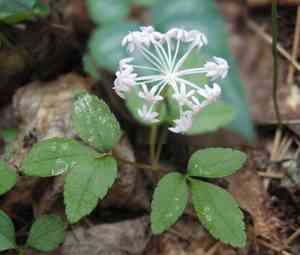
A small, enduring herbaceous plant, dwarf ginseng flourishes in dimly lit forest environments. Trimming should concentrate on eliminating withered or discolored leaves, generally after blooming, to avert needless energy consumption. The optimal period for pruning is from late spring to early summer, aligning with the plant's post-flowering recovery. Pruning can improve the plant's appearance and strength, alongside managing its expansion. Particular caution is necessary to prevent harm to the fragile stalks and root network of this ground-level variety.
What Are the Advantages of Trimming Dwarf Ginseng?
What Are the Advantages of Trimming Dwarf Ginseng?
Trimming dwarf ginseng stimulates robust development and helps maintain its compact shape. Regular cutting fosters a strong root system, enhancing the plant's overall well-being.
When Is the Optimal Time for Trimming Dwarf Ginseng?
When Is the Optimal Time for Trimming Dwarf Ginseng?
Trimming dwarf ginseng from late spring to early summer allows for the removal of damaged or dead leaves after winter dormancy and before new growth fully emerges. This period is when the plant begins directing energy into new shoots, prior to investing significant resources in flowering or seed production. By trimming within this timeframe, gardeners can shape dwarf ginseng without hindering its ability to thrive and reproduce. Additionally, pruning at this time helps prevent disease spread, which can be more common if pruning occurs during wet, autumn months. The plant is more resilient then and can recover more effectively from the stress of trimming.
What Equipment Do I Need to Trim Dwarf Ginseng?
Hand Pruners
Dwarf ginseng is a small, delicate plant, so sharp, precise hand pruners or secateurs are ideal. They enable accurate cuts without harming nearby stems or roots.
Snips
For thinner stems or for deadheading dwarf ginseng, snips or micro-tip scissors can be used. These tools offer the control and accuracy needed for detailed work.
Gloves
Good quality gardening gloves can shield your hands from any potential irritants when handling dwarf ginseng.
How to Trim Dwarf Ginseng
Sanitize
Start by sterilizing your trimming tools with alcohol or a bleach solution to prevent disease transmission to dwarf ginseng.
Identify
Examine dwarf ginseng closely to pinpoint any diseased or withered leaves and any affected stems that require removal.
Cut Diseased Leaves
Carefully snip off diseased leaves at their base where they meet the stem, ensuring not to harm healthy parts of dwarf ginseng.
Remove Withered Leaves
Take off any withered leaves by gently pulling them if they detach easily, or by making a clean cut if necessary.
Trim Diseased Stems
Cut back diseased stems to healthy tissue or at the base of dwarf ginseng if the entire stem is affected, making a clean, angled cut to promote healing and prevent water accumulation.
Common Trimming Errors with Dwarf Ginseng
Excessive Trimming
Removing too much foliage from dwarf ginseng can weaken the plant, making it susceptible to pests and diseases.
Incorrect Tool Use
Using dull or unclean trimming tools can injure dwarf ginseng's stems, potentially leading to infections and poor recovery.
Trimming For The Wrong Reason
Trimming dwarf ginseng unnecessarily or solely for aesthetic reasons might hinder its natural growth and vigor.
Ignoring Plant Health
Attempting to trim dwarf ginseng when it is unwell, such as during a disease outbreak, can worsen its condition rather than aid recovery.
Disregarding Plant Structure
Failing to consider dwarf ginseng's natural shape when trimming may result in a less attractive and less healthy plant.
Common Trimming Advice for Dwarf Ginseng
Hygienic Practices
Always use clean and sharp tools to make precise cuts on dwarf ginseng, which helps prevent disease spread.
Judicious Cuts
Trim dwarf ginseng sparingly, removing only dead or diseased foliage to maintain plant vitality and encourage proper air circulation.
Knowledge Of The Plant
Understand the growth habit of dwarf ginseng to make informed decisions about which parts to trim for optimizing plant health.
Protective Measures
After trimming dwarf ginseng, consider applying a natural antiseptic to cuts to promote healing and prevent infections.
Post-Trimming Care
Provide dwarf ginseng with adequate water and nutrients after trimming to help it recover and grow back stronger.



