How to Transplant Dwarf Catmint?
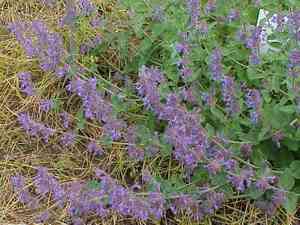
For dwarf Catmint, the prime transplanting window is between mid-spring and late spring, when the soil reawakens with warmth, an ideal period for root establishment. Choose a sun-kissed spot with good drainage to encourage robust growth. Friendly reminder: be gentle with the root ball during the process.
What Preparations are Needed Before Transplanting Dwarf Catmint?
What is the Ideal Time for Transplanting Dwarf Catmint?
Opt for transplanting dwarf Catmint during the period of rejuvenation, typically from mid to late spring. This season offers moderate temperatures and optimal soil conditions, ensuring strong root establishment and growth. This strategic timing grants dwarf Catmint a robust start, taking full advantage of the forthcoming growth season. Early establishment leads to improved resilience, allowing dwarf Catmint to thrive and flourish, fully capitalizing on the length of the growing season.
How Much Space Should You Leave Between Dwarf Catmint Plants?
Hey there, green thumb! Before moving your dwarf Catmint to their new home, remember to give them room to flourish. Space them nicely about 18-24 inches (45-60 cm) apart. This helps them grow freely and avoids overcrowding, making your garden a spacious haven for your dwarf Catmint.
What is the Best Soil Mix for Dwarf Catmint Transplanting?
Your dwarf Catmint will love a comfy bed to spread its roots. Aim for well-draining soil with a good mix of organic matterâthink compost or aged manure for a nutritious start. Adding a balanced, slow-release fertilizer will give your dwarf Catmint the boost it needs to thrive from the get-go.
Where Should You Relocate Your Dwarf Catmint?
Sunshine is key for your dwarf Catmint to perform its best! Choose a sunny spot where it can bask in at least 6 hours of direct sunlight daily. If your space gets partial shade, don't fret â dwarf Catmint can handle a bit of shade with grace. Finding that bright spot will have your dwarf Catmint happier and healthier.
What Equipments Should You Prepare Before Transplantation Dwarf Catmint?
Gardening Gloves
To protect your hands while working with the soil and plant.
Spade or Shovel
For digging up the plant and creating a new transplant hole.
Garden Trowel
For more precise digging and transplanting efforts.
Pruning Shears
To trim off any dead or damaged roots or foliage.
Watering Can or Hose
To water the dwarf Catmint both before and after transplanting.
Wheelbarrow or Garden Cart
For transporting the dwarf Catmint, especially if it's a larger specimen.
Mulch
To help retain moisture in the soil around the new transplant site.
How Do You Remove Dwarf Catmint from the Soil?
How Do You Remove Dwarf Catmint from the Soil?
From Ground: Water the dwarf Catmint to moisten the soil, making it easier to remove the root ball intact. Dig a generous perimeter around the plant with a spade or shovel. Tilt the spade to gently lift the plant and its root ball from the ground.From Pot: Turn the pot on its side and gently tap it to loosen the dwarf Catmint. Grasp the base of the plant and pull it out, supporting the root ball to prevent damage.From Seedling Tray: Moisten the soil first to make it more pliable. Use a garden trowel or fingers to lift the seedling out gently while supporting the root mass to keep it together.
Step-by-Step Guide for Transplanting Dwarf Catmint
Prepare New Location
Dig a hole in the ground that is twice as wide as the root ball of the dwarf Catmint and the same depth.
Root Ball Inspection
Examine the root ball. Trim any broken or excessively long roots with pruning shears, and untangle if necessary.
Positioning
Place the dwarf Catmint into the new hole. The top of the root ball should be level with the ground surface.
Fill Hole
Backfill the hole with soil, gently firming it down around the roots of the dwarf Catmint.
Watering
Water the dwarf Catmint thoroughly after transplanting to settle the soil and eliminate air pockets.
Mulching
Apply a layer of mulch around the base of the dwarf Catmint, avoiding direct contact with the stem, to help maintain soil moisture.
How Do You Care For Dwarf Catmint After Transplanting?
Immediate Watering
Water thoroughly to help settle the soil and provide moisture to stressed roots.
Observation
Watch for signs of transplant shock, such as wilting leaves or discoloration, and address any issues promptly.
Mulching
Renew the mulch as needed to maintain its protective layer over the root zone.
Weeding
Remove weeds that may compete with the dwarf Catmint for nutrients and water.
Pruning
Prune any damaged or diseased stems to encourage healthy new growth.
Troubleshooting Common Issues with Dwarf Catmint Transplantation.
What's the best time to transplant dwarf Catmint?
Ideally, move dwarf Catmint during the sweet spot of mid to late spring when growth is most vigorous.
How far apart should I space dwarf Catmint plants?
Give each dwarf Catmint room to flourish by spacing them 18-24 inches (45-60 cm) apart.
Why are my transplanted dwarf Catmint wilting?
Wilting after transplanting is common; ensure adequate water and protection from strong sun until established.
Should I prune dwarf Catmint before transplanting?
Light pruning can help reduce stress; trim back by a third to encourage strong new growth.
How deep should I plant dwarf Catmint when transplanting?
Plant dwarf Catmint at the same depth it was in its previous location for optimal growth.
What soil conditions favor transplanted dwarf Catmint?
Well-draining soil with moderate fertility is perfect for dwarf Catmint to thrive after transplanting.
Can I transplant dwarf Catmint on a hot day?
Transplant dwarf Catmint during a cooler part of the day or a cloudy day to reduce transplant shock.
How much should I water dwarf Catmint after transplanting?
Keep the soil consistently moist but not soggy for the first few weeks to help roots establish.
How to protect dwarf Catmint from transplant shock?
Water thoroughly, avoid midday sun, and provide a layer of mulch to aid in a smooth transition.
Can I fertilize dwarf Catmint right after transplanting?
Wait a few weeks before fertilizing to allow dwarf Catmint to acclimate and prevent root burn.



