How to Prune Dwarf Catmint?
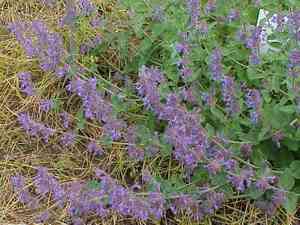
Fragrant and abundant in flowers, dwarf Catmint flourishes with consistent trimming to preserve its dense structure and abundant blossoms. The beginning of spring is perfect for eliminating winter harm and reducing aged stems. Following the blooming period, reduce its size by a third to foster a subsequent flowering and neat appearance. Tidying in late autumn deters winter decay and infestations. Advantages of meticulous pruning encompass improved air movement, stimulation of fresh development, and enduring plant vitality, guaranteeing dwarf Catmint's continued role as a decorative garden essential.
What Are the Benefits of Pruning Dwarf Catmint?
What Are the Benefits of Pruning Dwarf Catmint?
Trimming dwarf Catmint promotes a surge of new blossoms and sustains its vigor, ensuring a compact, well-formed growth habit for visual appeal and garden neatness.
What Is the Best Time for Pruning Dwarf Catmint?
What Is the Best Time for Pruning Dwarf Catmint?
Pruning in spring enables dwarf Catmint to channel energy into developing robust new growth after trimming. Late summer pruning helps remove faded flowers and encourages a potential second bloom. Early fall pruning prepares dwarf Catmint for dormancy by tidying the plant without stimulating new growth that could be harmed by winter cold. These periods align with dwarf Catmint's natural growth cycle and aim to enhance flowering while maintaining plant health and strength.
What Tools Do I Need to Prune Dwarf Catmint?
Hand Pruners
Perfect for making precise cuts on dwarf Catmint, allowing for targeted removal of spent blooms and light shaping.
Shears
More suitable for trimming dwarf Catmint's softer, herbaceous stems, especially during the plant's active growth season.
Garden Gloves
Protective to prevent scratches and ensure a safe pruning process of dwarf Catmint.
Pruning Saw
Required for larger, woodier stems that may develop as dwarf Catmint matures, though this tool is less frequently needed for this species.
How to Prune Dwarf Catmint
Clean Tools
Before pruning, clean and sanitize pruning tools to prevent the spread of diseases to dwarf Catmint.
Remove Diseased Parts
Carefully inspect dwarf Catmint and cut away any diseased leaves using sharp, clean shears, making cuts at the base of the affected leaves.
Trim Withered Leaves
Trim off withered leaves by making a clean cut close to the stem at the natural junction where the leaf meets the stem.
Deadhead Flowers
Deadhead spent flowers by snipping the flower stalk below the withered flower, above the first set of healthy leaves, to encourage new blooms.
Shaping
Lightly shape the plant by selectively trimming back overgrowth and maintaining the desired shape and size of dwarf Catmint.
Common Pruning Mistakes with Dwarf Catmint
Over-Pruning
One mistake is removing too much foliage, which can stress dwarf Catmint and diminish its vitality and flowering capabilities.
Blunt Tools
Using dull pruning tools can cause jagged cuts that make dwarf Catmint more susceptible to disease and pests.
Improper Cuts
Making cuts too far from the nodes, leaving long stubs, can lead to decay and disease entry points on dwarf Catmint.
Neglecting Sanitation
Failure to clean tools between plants can spread diseases to dwarf Catmint, affecting its health and growth.
Shearing Only Tops
Simply shearing the top of dwarf Catmint without thinning can result in a less airy plant with poor internal air circulation, which is crucial for its health.
Uneven Pruning
Pruning dwarf Catmint unevenly can lead to an aesthetically unpleasing plant shape and affect its natural growth pattern.
Common Pruning Tips for Dwarf Catmint
Sharp Tools
Use sharp, clean pruning shears to make precise cuts on dwarf Catmint, promoting quick healing and reducing disease risk.
Node Cuts
When pruning dwarf Catmint, make cuts just above leaf nodes to encourage bushier growth and prevent long, unsightly stems.
Thinning
To maintain good air circulation and plant shape, thin out crowded growth and remove any dead or damaged stems from dwarf Catmint.
Regeneration Pruning
To rejuvenate an older dwarf Catmint, cut back up to one-third of the plant to promote fresh growth and more prolific flowering.
Post-Blooming Trim
After the first bloom, trim back dwarf Catmint lightly to encourage a second wave of flowers and maintain a compact form.
Deadheading
Regularly remove spent flowers from dwarf Catmint to promote continuous blooming and prevent the plant from putting energy into seed production.



