How to Propagate Dwarf Catmint?
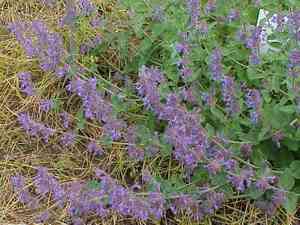
Dwarf Catmint, an herbaceous perennial recognized for its fragrant leaves and groupings of lavender-hued blossoms, flourishes when reproduced by seeding. To achieve successful growth, scatter the seeds on the surface of fertile, well-draining soil, then lightly top with potting mix. Ensure continuous dampness without waterlogging to facilitate sprouting. Supply sufficient illumination and warmth, essential for the growth of young plants. When the seedlings have gained enough strength, relocate them during cooler periods to their permanent planting spots, allowing ample room for expansion to foster vigorous health and plentiful flowering.
Optimal Period for Dwarf Catmint Propagation
Propagation Type
Sowing
Propagation Season
Spring
Equipment for Dwarf Catmint Propagation
Seed trays
Seed trays are small, shallow containers designed for sowing and germinating dwarf Catmint seeds. They help create consistent growing conditions, vital for the initial, delicate propagation stages. These trays are easily organized and labeled, facilitating systematic propagation and simple management of multiple dwarf Catmint seedlings.
Quality seed starting mix
A quality seed starting mix offers an ideal medium with good aeration and drainage, crucial for successful dwarf Catmint germination. This mix often includes peat, perlite, and vermiculite, perfect for maintaining the moisture and nutrient balance needed to support dwarf Catmint seedlings. This specialized soil helps prevent diseases linked to poor drainage and compact soil.
Misting bottle
A misting bottle is used to gently water dwarf Catmint seeds without disturbing them. Proper hydration during early germination is vital, and the fine spray from a misting bottle prevents dislodging or burying seeds under strong water streams, thus promoting uniform germination rates.
Heat mat
For dwarf Catmint, consistent bottom heat can significantly boost germination rates. A heat mat placed under the seed tray provides steady warmth, mimicking the warm spring conditions that trigger dwarf Catmint's germination process. This tool is especially useful in cooler climates where ambient temperatures might not be ideal for dwarf Catmint seed germination.
Grow lights
Grow lights are essential when natural sunlight is insufficient, which is crucial for photosynthesis in young dwarf Catmint seedlings. These lights ensure seedlings get enough light to prevent etiolation and promote strong, healthy growth post-germination. They also allow for controlled light exposure, optimizing dwarf Catmint's growth conditions.
Dwarf Catmint Propagation Method
Propagation Type
Easy
Post-Propagation Care for Dwarf Catmint
How to Care for Your Newly Propagated Dwarf Catmint?
Once dwarf Catmint seedlings are large enough, transplant them to individual pots or the garden, spaced about 30 cm apart for growth. Ensure they are in a sunny spot with well-draining soil. Water dwarf Catmint regularly, but let the soil dry slightly between waterings. Dwarf Catmint benefits from occasional trimming to encourage bushiness and more blooms. Fertilize dwarf Catmint with a general-purpose fertilizer in early spring and mid-summer for robust growth.
Common Errors to Avoid When Propagating Dwarf Catmint
Overwatering
Excessive watering can cause root rot and fungal issues in dwarf Catmint, which thrives in well-drained soil.
Too much fertilizer
Over-fertilization can burn the delicate roots of dwarf Catmint during propagation and hinder root development.
Using non-sterile tools
Non-sterile cutting tools can introduce pathogens, potentially preventing successful rooting of dwarf Catmint cuttings.
Improper cutting selection
Choosing woody or old growth may lead to poor rooting. Dwarf Catmint propagates best from healthy, semi-mature stems.
Ignoring pest inspection
Failure to check mother plants for pests can transfer infestations to new dwarf Catmint propagations, impeding their growth.
Tips For Propagating Dwarf Catmint
Well-draining soil
Utilize a well-draining potting mix to ensure healthy root development and prevent waterlogging in dwarf Catmint.
Rooting hormone
Apply rooting hormone to dwarf Catmint cuttings to stimulate root growth and enhance propagation success rates.
Appropriate moisture level
Maintain consistent moisture without waterlogging to encourage rooting in dwarf Catmint cuttings, preventing rot.
Optimal light exposure
Provide bright, indirect sunlight to dwarf Catmint cuttings to promote vigorous growth without the stress of direct, harsh sun.
Regular monitoring
Periodically inspect the propagation medium and remove any diseased or dead dwarf Catmint cuttings to protect healthy ones.



