Enhancing Your Garden Design with the Dwarf Catmint Plant: A Landscaping Guide
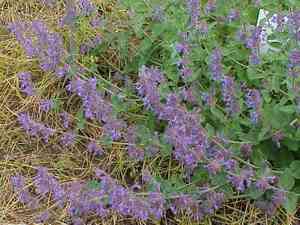
1
Dwarf Catmint adapts well to diverse garden layouts.
2
Dwarf Catmint draws helpful pollinators to your outdoor space.
3
Dwarf Catmint requires minimal upkeep and is simple to tend, perfect for gardeners with limited time.
An Introduction to Dwarf Catmint in Garden Design
Understanding Dwarf Catmint's adaptability
A notable characteristic of Dwarf Catmint is its versatility. This plant can thrive in diverse garden aesthetics and functions. Whether you're aiming for a formal layout, a rustic cottage garden, or a water-wise landscape, Dwarf Catmint integrates seamlessly. Its compact size and striking blossoms make it suitable for both expansive areas and intimate garden spots. Furthermore, Dwarf Catmint flourishes in various soil types and can endure partial shade, though it prefers ample sunlight. This flexibility offers numerous possibilities for its inclusion in your garden scheme.
Why Dwarf Catmint is a favored choice for garden landscaping
Dwarf Catmint has become popular among gardeners for several reasons. Its enduring blooms provide color and texture to the garden from late spring through autumn. Moreover, its aromatic foliage not only attracts pollinators but is also deer-resistant, ensuring your garden remains undisturbed by unwanted creatures. Additionally, Dwarf Catmint's drought tolerance makes it an excellent option for water-efficient gardens, reducing the need for frequent irrigation. These attributes collectively make it a favorite among both new and experienced gardeners seeking to enhance their outdoor spaces.
Design Concepts with Dwarf Catmint
Integrating Dwarf Catmint into borders and edges
Dwarf Catmint is an excellent choice for borders and edges due to its tidy growth habit and appealing foliage. When positioned along garden pathways or around the perimeter of flower beds, it creates a neat, well-defined appearance. The plant's purple-blue flowers offer a beautiful contrast to green lawns or other brightly colored blossoms. For an aesthetically pleasing effect, consider planting Dwarf Catmint in clusters or drifts along borders to establish a continuous flow of color and texture.
Utilizing Dwarf Catmint as a ground cover
If you're seeking an effective ground cover, Dwarf Catmint can be an ideal selection. When planted extensively, it forms dense mats that suppress weeds and minimize soil erosion. This makes it perfect for slopes or areas requiring a low-maintenance solution to stabilize the soil. Its fine-textured leaves and vibrant blooms create a lush carpet that enhances the visual appeal of your garden floor. Additionally, using Dwarf Catmint as a ground cover can help retain moisture, benefiting surrounding plants.
Creative ways to combine Dwarf Catmint with other plants
Mixing Dwarf Catmint with other plants can produce stunning results in your garden. Pairing it with taller perennials such as roses or delphiniums can create a layered effect, adding depth to your garden design. Dwarf Catmint's cool-toned flowers can complement warm-colored blooms like red or yellow daylilies, providing a balance of color. Furthermore, combining Dwarf Catmint with other fragrant herbs like lavender or rosemary can create an inviting sensory garden. Experiment with various combinations to discover the pairings that best suit your style and garden conditions.
Beneficial Aspects of Dwarf Catmint in Your Garden
Attracting pollinators with Dwarf Catmint
One of the most significant advantages of cultivating Dwarf Catmint is its capacity to draw in pollinators. The plant's abundant and long-lasting flowers are a magnet for bees, butterflies, and other beneficial insects. By incorporating Dwarf Catmint into your garden, you contribute to creating a healthy ecosystem where pollinators can flourish. This not only benefits your garden through enhanced pollination but also supports the wider environment by providing vital resources for these essential creatures.
Low maintenance advantages of planting Dwarf Catmint
Dwarf Catmint is well-known for being a low-maintenance plant, making it ideal for gardeners with busy schedules. Once established, it requires minimal care and can endure periods of drought, which reduces the need for constant watering. It also experiences few pest or disease issues, meaning you can spend less time addressing plant health problems. Seasonal pruning is typically all that's necessary to keep Dwarf Catmint looking its best. These low-maintenance characteristics make it an appealing choice for both novice and experienced gardeners.
Planting and Spacing Recommendations for Dwarf Catmint
Optimal conditions for planting Dwarf Catmint
To ensure Dwarf Catmint thrives in your garden, it's crucial to plant it under optimal conditions. Select a location with full sun to partial shade – while Dwarf Catmint can tolerate some shade, it performs best with ample sunlight. The soil should be well-draining to prevent root rot, though Dwarf Catmint can handle various soil types, including sandy and clay. Before planting, it's beneficial to incorporate some compost to enhance soil fertility and drainage. Aim for planting in spring or early fall to allow the plant sufficient time to establish roots before extreme temperature shifts.
Guidelines on spacing for healthy growth
Proper spacing is vital for the healthy development of Dwarf Catmint. When planting, position each plant approximately 12 to 18 inches apart to allow for adequate air circulation and room for expansion. This spacing helps prevent overcrowding, which can lead to issues such as mildew or reduced flowering. By providing Dwarf Catmint with enough space, you'll ensure it has the opportunity to reach its full potential and deliver maximum visual impact in your garden. Regularly monitor spacing and thin out plants if they become too dense.
Seasonal Considerations for Dwarf Catmint
Best times to plant Dwarf Catmint for seasonal effects
The timing of planting Dwarf Catmint can significantly impact its seasonal display in your garden. For optimal results, plant Dwarf Catmint in the spring or early fall. Spring planting allows the plant to establish itself before the summer heat, ensuring robust growth and abundant blooms. Fall planting gives the roots time to develop during cooler months, leading to a strong start the following spring. By aligning your planting schedule with these ideal times, you can enjoy a vibrant showcase of Dwarf Catmint throughout the growing season.
Managing Dwarf Catmint during off-peak seasons
Managing Dwarf Catmint during off-peak seasons is relatively simple. In late fall, cut back the plant to encourage healthy growth in the spring. Mulching around the base can protect the roots from extreme winter temperatures. During winter, Dwarf Catmint typically enters dormancy, requiring minimal upkeep. As spring approaches, remove any mulch and watch for new growth. By following these straightforward steps, you can ensure Dwarf Catmint remains healthy and continues to enhance your garden year after year.



