The Dwarf Catmint Plant Advantage: Maximizing Home and Office Appeal and Wellness
1
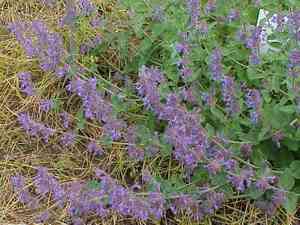
Dwarf Catmint is a resilient perennial, thriving in dry conditions, making it ideal for gardens requiring minimal upkeep.
2
The fragrant leaves of Dwarf Catmint draw in vital pollinators such as bees and butterflies.
3
Dwarf Catmint, with its striking blue-violet blooms, serves as an excellent ground cover.
Why Opt for Dwarf Catmint in Your Garden?
Effortless Upkeep and Robustness
A primary reason to integrate Dwarf Catmint into your garden is its remarkable hardiness and minimal care requirements. This plant resists drought, making it perfect for gardeners seeking a low-water landscape. Once rooted, Dwarf Catmint flourishes in diverse soil types and endures both intense sun and partial shade. Its sturdy character allows it to thrive with little attention, freeing up time for other gardening tasks.
Attracting Beneficial Insects
Dwarf Catmint is not only attractive but also highly functional for your garden's ecosystem. Its fragrant leaves and vibrant blossoms act as a magnet for pollinators, including bees, butterflies, and other helpful insects. These pollinators are vital for garden health, assisting in the fertilization of various plants, which can lead to more abundant flowers and yields. By adding Dwarf Catmint, you support a flourishing, balanced ecosystem.
What Are the Visual Advantages of Dwarf Catmint?
Constant Visual Appeal
Dwarf Catmint offers year-round beauty. In spring and summer, its soft blue-violet flowers provide a striking contrast against its silvery-green foliage, adding a burst of color to any garden design. As autumn arrives, the leaves often take on a slightly muted shade, enriching the seasonal palette of your garden. Even in winter, the plant's form can add visual interest, making Dwarf Catmint a favorite among garden designers.
Flexible Landscape Applications
Dwarf Catmint is incredibly adaptable and can be utilized in various landscape designs. It serves as an excellent ground cover due to its spreading habit and dense foliage. You can also use it to line paths or borders, form informal hedges, or plant it in mixed perennial beds. Its ability to complement other plants while standing out makes Dwarf Catmint a highly versatile choice for any garden setting.
How Can Dwarf Catmint Aid Sustainable Gardening?
Efficient Water Use
Water conservation is a key aspect of sustainable gardening, and Dwarf Catmint excels here. Its drought-tolerant nature means it needs less water than many other garden plants. By incorporating Dwarf Catmint into your landscape, you can reduce your overall water consumption, contributing to more sustainable gardening practices. This is especially beneficial in dry or drought-prone areas where water resources are limited.
Soil Health and Erosion Control
Dwarf Catmint's extensive root system not only helps it survive dry conditions but also improves soil health. The roots stabilize the soil, reducing erosion and enhancing its structure over time. This makes Dwarf Catmint an excellent choice for slopes or areas prone to erosion, as it helps keep soil in place and promotes better water infiltration. Furthermore, as a perennial, Dwarf Catmint returns annually, providing ongoing benefits to the soil and overall garden health.
What Are Good Companion Plants for Dwarf Catmint?
Harmonious Color Pairings
Dwarf Catmint pairs beautifully with various plants, allowing you to create harmonious and striking color schemes. Its blue-violet flowers contrast well with the yellow blooms of plants like coreopsis and yarrow. It also complements pink and purple perennials such as salvias and lavender. By selecting complementary colors, you can create a visually cohesive garden that stands out in every season.
Mutually Beneficial Plantings
When considering companion planting with Dwarf Catmint, think about plants that thrive in similar conditions. For instance, other drought-tolerant perennials, such as sage, rosemary, and thyme, make excellent companions. These plants not only share similar water and soil needs but can also enhance each other's growth. The aromatic oils from these herbs can deter certain pests, creating a mutually beneficial planting arrangement that supports the overall health of your garden.



