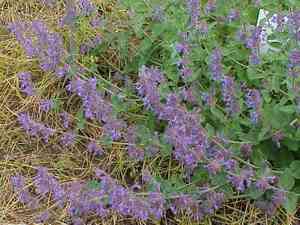
Dwarf Catmint (Nepeta racemosa)
Also known as: Mussin's catmint, Eastern cat-mint, Dwarf catnip
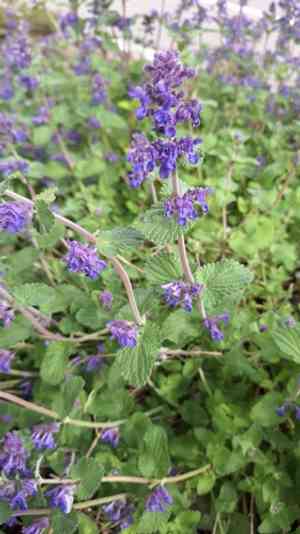
Nepeta racemosa, a perennial plant, showcases blue, purple, or white blooms above lush green leaves. This plant is known to attract hummingbirds and is excellent for naturalistic gardens. Its strong fragrance and suitability as ground cover make it a charming addition to cottage gardens.
In This Article
Attributes of Dwarf Catmint
Lifespan
Perennial, Annual
Plant Type
Herb
Plant Height
60 cm
Spread
60 cm
Leaf Color
Green Gray
Flower Size
2.5 cm to 5 cm
Flower Color
Blue White
Images of Dwarf Catmint
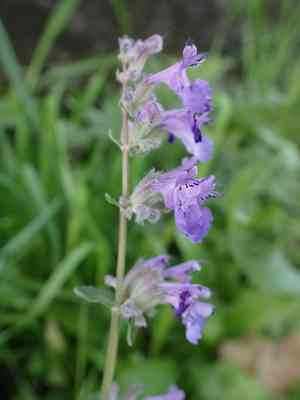
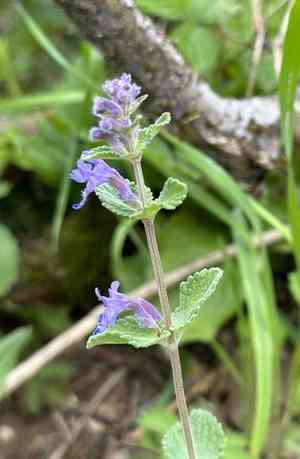
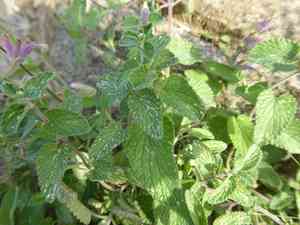
Quickly Identify Dwarf Catmint
1
To identify Nepeta racemosa, look for its aromatic, gray-green leaves and dense spikes of small, tubular flowers that are typically lavender-blue in color. The plant has a mounding habit and can form compact, bushy clumps. Crushing the leaves can release a minty aroma, aiding in identification.
Scientific Classification of Dwarf Catmint
Phylum
Vascular plants
Class
Dicotyledons
Order
Lamiales
Family
Mint
Genus
Catnips
Species
Dwarf Catmint
Planting and Growing of Dwarf Catmint
Care Difficulty
Easy
Watering Schedule
Every 2 days
Sunlight Requirements
Full sun
Sunshine Duration
4-6 hours
Ideal Temperature
65-75℉
Soil Type
Potting Mix, Peat Mix
Soil pH
6.5-7.5
Fertilizer Type
Balanced
Pruning Season
Spring, Summer
Pruning Area
Branches, Leaves
Pruning Frequency
2 times a year
Repotting Season
Spring
Pot Type
Plastic, Ceramic
 How to Water Dwarf Catmint?
For Nepeta racemosa, the watering principle is to keep the soil consistently moist but not waterlogged. Water until the soil is moist to about a depth of 4-5 inches. If the top inch of soil feels dry, it's time to water.
What are the symptoms of an underwatered Dwarf Catmint?
›
What should I do if my Dwarf Catmint is not getting enough water?
›
What are the symptoms of an overwatered Dwarf Catmint?
›
How to save an overwatered Dwarf Catmint?
›
 What Are the Sunlight Requirements for Dwarf Catmint?
Nepeta racemosa thrives best in full to partial sun, ensuring vibrant blooms and healthy foliage. Proper light encourages energetic photosynthesis, supporting its extensive bloom period.
More About Sunlight Requirements Techniques→
What is the ideal lighting for Nepeta racemosa?
›
How can I achieve optimal light conditions for Nepeta racemosa?
›
What benefits does proper light provide to Nepeta racemosa?
›
 What Is the Ideal Temperature Range for Dwarf Catmint?
For optimal growth, Nepeta racemosa thrives best in temperatures ranging from 65°F to 75°F. This range supports healthy leaf and flower development, ensuring the plant has enough warmth without experiencing heat stress.
 What Soil is Best for Dwarf Catmint?
Nepeta racemosa benefits from soil that ensures good drainage. This condition keeps roots from becoming waterlogged, thereby preventing root rot. Having a well-drained soil provides optimal living conditions for the plant, ensuring healthy growth and vibrant foliage. The plant thrives when positioned in nutrient-rich soil, providing essential minerals that foster strong stems and aromatic foliage. Fertile soil leads to vigorous blooms and enhances the overall robustness of the plant. Nepeta racemosa prefers soil that retains moderate moisture without becoming overly saturated. This requirement helps limit issues related to excess humidity that could hinder plant development and flowering.
 How to Fertilize Dwarf Catmint?
Nepeta racemosa enjoys a balanced, all-purpose fertilizer. When using a liquid fertilizer, mix at half the recommended strength, and apply it during the growing season for best results.
 How to Prune Dwarf Catmint?
To encourage continuous flowering, regularly remove spent flowers by cutting just below the flower spike. This prevents the plant from directing energy to seed production and instead promotes the development of new flower spikes, resulting in a longer blooming period. In early spring, cut back the plant by a third to encourage denser growth. Trim the stems back to just above a leaf pair or side shoot, which helps maintain a pleasing shape and prevents the plant from becoming too woody or sparse at the base.
More About Pruning Techniques→
 How to Propagate Dwarf Catmint plant?
1
Begin by filling a seed tray with a light seed-starting mix. Sow the Nepeta racemosa seeds evenly and cover them with a thin layer of soil. Water the tray gently, avoiding oversaturation. Keep the tray in a warm area with indirect sunlight until germination occurs.
2
Select a healthy non-flowering shoot from the parent plant. Using sharp pruning shears, cut a 4-6 inch section just below a leaf node. Remove the lower leaves, dip the cut end in rooting hormone, and insert it into a pot filled with moist potting mix.
3
During early spring, dig up an established Nepeta racemosa plant. Gently shake off excess soil and separate the plant into sections, ensuring each division has roots and shoots. Replant the divisions at the same depth as the original plant, water thoroughly, and place them in a sheltered location.
 How to Repot Dwarf Catmint plant?
1
Nepeta racemosa indicates it's time to repot when you see roots growing out of the drainage holes or when the plant becomes root-bound, which means the roots are tightly encircling the soil mass. Sometimes, slowed growth even with adequate care can suggest that a larger pot is needed. Best to repot in early spring or early summer for optimal recovery.
2
Select a pot that is about 2 inches larger in diameter than the current one. It should have ample drainage holes to prevent waterlogging, which can lead to root rot. A ceramic or clay pot is ideal as it helps the soil to breathe but ensure it isn’t too heavy on delicate surfaces. This fosters a healthy root system by allowing excess moisture to escape.
3
Opt for a well-draining potting mix made up with ingredients such as perlite, peat moss, and coarse sand. This will ensure that water drains freely, reducing the risk of root rot. The soil mix should retain some moisture but not be susceptible to compacting, allowing roots to breathe and expand with ease.
Learn More About Dwarf Catmint Diseases
Anthracnose
Bacterial Leaf Spot
Bacterial Soft Rot
Bacterial Wilt
Chemical Injury
Crown Gall
Damping-off
Downy Mildew
Drought Stress
Fusarium Wilt
Gray Mold
Leaf Spot
Mosaic
Nutrient Deficiency
Nutrient Toxicity
Powdery Mildew
Root Rot
Root-knot Nematode
Rusts
Sooty Mold
Spider Mites
Temperature Stress
Thrips Damage
White Mold



