How to Transplant Glademallow?
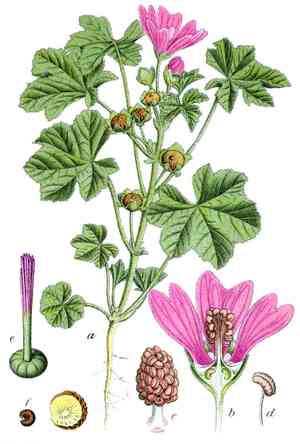
For glademallow, the ideal period for transplanting extends from the onset of spring's warmth until the brink of summer, facilitating vigorous development. Select a shaded spot featuring damp earth. Careful management of the root system is crucial for effective re-establishment.
What Preparations are Needed Before Transplanting Glademallow?
What is the Ideal Time for Transplanting Glademallow?
The perfect time for moving glademallow is during spring's start, extending into early summer. This careful timing allows glademallow to root in mild soil, ensuring it has the entire season to strengthen before winter's cold. Why move glademallow now? The pleasant weather provides ideal soil conditions, boosting root growth and reducing transplant shock. It's a wonderful chance for glademallow to thrive in its new spot!
How Much Space Should You Leave Between Glademallow Plants?
Hello, gardener! When relocating glademallow, aim for ample room. Position them approximately 24-48 inches (61-122 cm) apart. This will provide their roots plenty of space to expand and develop robustly!
What is the Best Soil Mix for Glademallow Transplanting?
For glademallow, prepare the ground with fertile, well-draining soil. Incorporate compost to give them a nutrient-rich start. A balanced, slow-release fertilizer will set the stage for vigorous growth. You're creating a comfortable bed for your plants!
Where Should You Relocate Your Glademallow?
Find a suitable location where your glademallow can enjoy partial shade or a mix of sun and shade. They prefer spots where sunlight filters through the foliage. It's about finding that perfect balance, much like a picnic beneath a tree!
What Equipments Should You Prepare Before Transplantation Glademallow?
Gardening Gloves
To safeguard your hands while handling soil and plants.
Spade or Shovel
For excavating around and beneath the plant to extract it with minimal root disturbance.
Garden Fork
To loosen the earth and assist in lifting the plant, especially if moving from the ground.
Pruning Shears
For trimming any damaged roots or leaves prior to transplanting.
Wheelbarrow or Plant Dolly
To comfortably transport the glademallow plant from its initial spot to the new location.
Watering Can or Hose
To hydrate the glademallow at both its original site before removal and after relocation.
Mulch
To apply around the base of the glademallow after transplant for moisture retention and weed control.
How Do You Remove Glademallow from the Soil?
How Do You Remove Glademallow from the Soil?
From Ground: First, water the glademallow to moisten the soil. Then, dig a wide circle around the plant with a spade or shovel, ensuring you are far enough away to avoid harming the root ball. Gently work the garden fork under the root ball and carefully lift the plant from the ground.From Pot: Water the glademallow to facilitate removal and lessen root stress. Tilt the pot sideways and gently tap or squeeze it to loosen the plant. Grasp the plant's base and ease it out of the pot, keeping as much soil around the roots as possible.From Seedling Tray: Water the seedlings gently to settle the soil. Use a spoon or dibber to carefully lift each glademallow from its cell, again, preserving the root-soil structure as much as possible.
Step-by-Step Guide for Transplanting Glademallow
Preparation
Before starting the transplant, ensure to thoroughly water the glademallow at its current spot to lessen transplant shock.
Removal
Carefully extract the glademallow from its original location following the specified removal method, making sure to keep the root ball as intact as possible.
Transportation
Move the glademallow to the new location swiftly and gently, using a wheelbarrow or plant dolly to prevent physical harm to the plant and roots.
Hole Preparation
Dig a hole at the new site that is twice as wide and the same depth as the glademallow's root ball, loosening the surrounding soil with a garden fork for improved root growth.
Placement
Position the glademallow into the hole, ensuring it is at the same soil level it was previously growing, keeping the plant upright and centered.
Backfilling
Gently backfill the hole with soil, filling in around the root ball without compacting the soil too much, allowing for proper air circulation and drainage.
Watering
Water the glademallow immediately after transplanting to settle the soil around the roots and eliminate any air pockets.
Applying Mulch
Apply 2-3 inches of mulch around the base of the glademallow, being careful not to pile the mulch against the stems, which can lead to rot.
How Do You Care For Glademallow After Transplanting?
Initial Watering
Maintain consistent moisture around the glademallow for several weeks after transplant, watering deeply to encourage root establishment.
Observation
Regularly check the glademallow for signs of transplant shock, such as wilting or yellowing leaves, and address promptly by adjusting care as needed.
Support Stakes
If the glademallow is tall or top-heavy, use support stakes to stabilize the plant until its roots are strong enough to support it.
Gentle Fertilization
After a few weeks, once the glademallow shows signs of new growth, you can apply a mild, balanced fertilizer to support healthy development.
Troubleshooting Common Issues with Glademallow Transplantation.
How do I know when it's the best time to transplant glademallow?
Relocate glademallow when temperatures are milder, ideally from early spring to late spring - typically between March and June, to allow roots to establish.
What's the ideal distance between glademallow plants when transplanting?
Space glademallow optimally by providing ample room to thrive, ideally placing them 24-48 inches (60-122 cm) apart.
Can glademallow be transplanted in summer or fall?
It's feasible, but moving glademallow during early to late spring promotes better root establishment before summer heat or winter cold.
What's the best soil prep for transplanting glademallow?
Work the soil until it's loose and drains well; enrich with organic matter if necessary to encourage glademallow growth.
How deep should I plant glademallow during transplanting?
Ensure the root ball is level with the soil surface; planting too deep or shallow can stress glademallow.
Should I water glademallow immediately after transplanting?
Absolutely! Give glademallow a thorough watering to help settle the soil around the roots and remove air pockets.
Why is my transplanted glademallow wilting?
Wilting after transplant may indicate shock. Keep the soil moist and provide shade to help glademallow recover.
When should I fertilize glademallow after transplanting?
Wait 4-6 weeks to allow glademallow time to establish. Then, apply a balanced, slow-release fertilizer.
How much sun does glademallow need after transplanting?
Provide glademallow with partial to full sun, aiming for at least 4-6 hours of sunlight daily for optimal growth.
My glademallow isn't growing post-transplant, what should I do?
Ensure it's not planted too deeply, has sufficient water, and no root damage. Patience is key; glademallow may take time to adjust.



