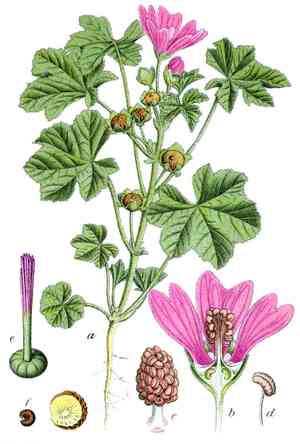
Glademallow (Napaea dioica)
Also known as: Glade Mallow
Glademallow (Napaea dioica) thrives in damp environments such as riverbanks and wetlands, favoring nutrient-rich, moist soils. During summer, it produces clusters of fragrant white flowers that attract bees and other pollinators. Its broad leaves are a food source for deer, livestock, and other grazing animals. Additionally, its tendency to form extensive colonies offers shelter and cover for various wildlife species.
In This Article
Attributes of Glademallow
Lifespan
Perennial
Plant Type
Herb
Plant Height
91 cm to 1.8 m
Spread
1.5 m
Leaf Color
Green
Flower Size
2.5 cm
Flower Color
White Pink
Images of Glademallow
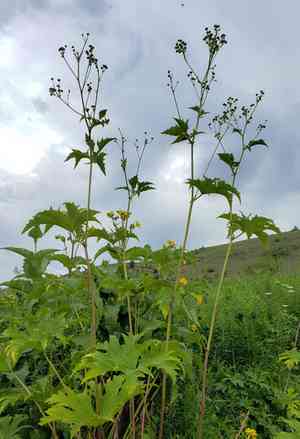
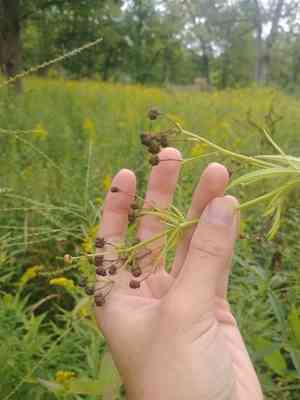
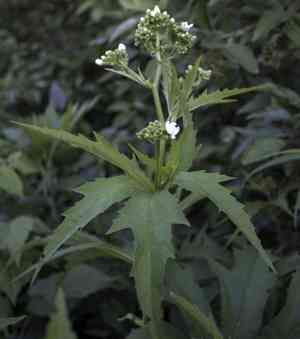
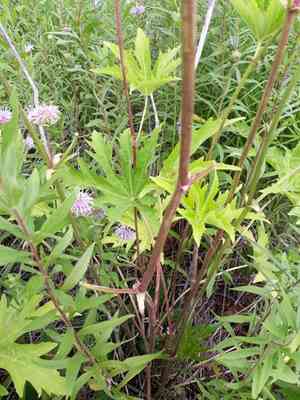
Quickly Identify Glademallow
1
Look for large, heart-shaped leaves with serrated edges and tall inflorescence spikes ranging from 1.5 to 3 meters in height. The flowers are small and white, blooming from mid to late summer.
Scientific Classification of Glademallow
Phylum
Vascular plants
Class
Dicotyledons
Order
Malvales
Family
Mallow
Genus
Glade Mallow
Species
Glademallow
Planting and Growing of Glademallow
Care Difficulty
Easy
Watering Schedule
Every 4 days
Sunlight Requirements
Full sun
Sunshine Duration
6-8 hours
Ideal Temperature
60-75℉
Soil Type
Potting Mix, Peat Mix
Soil pH
6-7.5
Fertilizer Type
Balanced
Pruning Season
Spring, Summer
Pruning Area
Branches, Leaves
Pruning Frequency
2 times a year
Repotting Season
Spring
Pot Type
Plastic, Ceramic
 How to Water Glademallow?
When watering Napaea dioica, aim for a generous soak that moistens the soil to a depth of at least 7-8 inches. This ensures the water reaches the deeper roots. The key is to water thoroughly but infrequently, promoting a deep root system and reducing the risk of shallow root growth.
What are the symptoms of an underwatered Glademallow?
›
What should I do if my Glademallow is not getting enough water?
›
What are the symptoms of an overwatered Glademallow?
›
How to save an overwatered Glademallow?
›
 What Are the Sunlight Requirements for Glademallow?
Napaea dioica thrives in environments offering full to partial sun, ideally receiving about 6 to 8 hours of sunlight. Proper light management fosters lush growth and maximizes blooming success.
More About Sunlight Requirements Techniques→
How much sunlight is ideal for Napaea dioica?
›
What solutions can ensure optimal sunlight exposure for Napaea dioica?
›
What benefits does Napaea dioica gain from ideal lighting conditions?
›
 What Is the Ideal Temperature Range for Glademallow?
The ideal temperature range for Napaea dioica is between 60°F and 75°F. Within this range, the plant can maximize photosynthesis and other metabolic processes, resulting in optimal growth. This range is typical for many temperate plants, as it allows them to thrive without excessive stress. Keeping the plant within these temperatures can help prevent common issues such as wilting, discoloration, and stunted growth.
 What Soil is Best for Glademallow?
Napaea dioica thrives in well-draining soil that prevents waterlogging, which is crucial for its root health. Good drainage ensures that the roots receive adequate oxygen, preventing root rot and promoting robust growth. This plant prefers soil rich in organic matter, providing essential nutrients for its vibrant growth. Rich soil supports the plant’s nutritional needs, leading to more lush foliage and increased resilience against pests and diseases. While drainage is essential, the soil should also retain some moisture to keep the plant hydrated. Balanced moisture levels support continuous growth and flowering, ensuring that the plant remains healthy throughout the growing season.
 How to Fertilize Glademallow?
For Napaea dioica, the fertilizing amount should be moderate. Use a balanced 10-10-10 liquid fertilizer, diluted at half strength, with approximately one cup per application around the base of the plant. Ensure the dry fertilizer is scattered evenly about six inches away from the stem.
 How to Prune Glademallow?
Gather a pair of clean, sharp pruning shears to ensure clean cuts that prevent damage and disease spread. Disinfect tools before and after pruning to maintain plant health. Examine your plant for dead, damaged, or diseased stems and leaves. Remove these to prevent fungal infections and pest infestations. Look for any overcrowded areas and thin them out to improve airflow through the plant. Trim excessively long or unruly branches to maintain a balanced and attractive shape. Cut just above a node or bud to encourage new growth in desired directions and give the plant a fuller appearance. Remove pruned material from around the plant to prevent insect habitat formation and rot. Dispose of diseased material separately from compost to avoid contamination.
More About Pruning Techniques→
 How to Propagate Glademallow plant?
1
Start by filling the seed trays with a seed-starting mix, and then evenly distribute the seeds on the surface. Lightly cover them with the mix and water gently. Maintain a warm environment for optimal germination.
2
Carefully dig up a mature plant in early spring. Using a sharp garden spade, separate the plant into smaller clumps, ensuring each has adequate root structure. Replant immediately for best results.
3
During early spring, dig up part of the root and cut it into segments of about 2-3 inches. Plant the segments horizontally in potting mix, cover them slightly, and water regularly until signs of growth appear.
 How to Repot Glademallow plant?
1
Napaea dioica should be repotted when you notice roots emerging through the drainage holes or the plant's growth has noticeably slowed, indicating it's root-bound. These are strong indicators it needs a fresh start in a new pot to continue thriving.
2
Select a pot slightly larger than the current one, with good drainage holes. This ensures adequate space for root growth and prevents waterlogging, which can lead to root rot. The material should breathe, like terracotta, allowing for air circulation.
3
Opt for a rich, well-draining loam that retains some moisture but allows excess water to escape easily. This helps to mimic Napaea dioica's natural environment, promoting healthy root development while reducing the risk of pests and diseases.
Learn More About Glademallow Diseases
Anthracnose
Bacterial Leaf Spot
Bacterial Soft Rot
Bacterial Wilt
Crown Gall
Cyst Nematode
Damping-off
Downy Mildew
Drought Stress
Fusarium Wilt
Gray Mold
Leaf Spot
Mosaic
Nutrient Deficiency
Nutrient Toxicity
Powdery Mildew
Root Rot
Root-knot Nematode
Rusts
Sooty Mold
Spider Mites
Temperature Stress
Thrips Damage
White Mold



