How to Prune Glademallow?
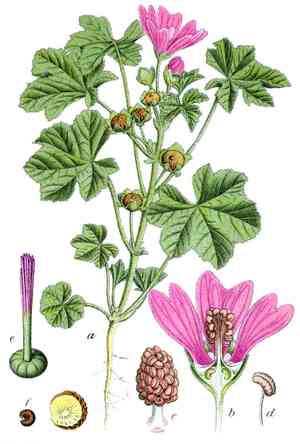
Glade mallow, a tall herbaceous perennial recognized for its white, grouped blossoms, benefits most from pruning after flowering to foster denser development and possible subsequent blooms. Trimming in early spring revitalizes the plant by eliminating deceased or compromised stalks. Summer thinning can additionally enhance air movement and lower the likelihood of disease. Deadheading, which involves taking off faded flowers, is advantageous but not essential for visual appeal. Always make precise, clean cuts to support robust recuperation.
What Are the Benefits of Pruning Glademallow?
What Are the Benefits of Pruning Glademallow?
Trimming glademallow promotes robust development and helps maintain its form. Strategic cuts enhance light access and air movement, fostering healthier foliage. Regular trimming keeps glademallow visually appealing and well-proportioned in the landscape.
What Is the Best Time for Pruning Glademallow?
What Is the Best Time for Pruning Glademallow?
Pruning glademallow from late winter to early spring, prior to new growth, is optimal. This timing aligns with the plant's dormant phase, making it less vulnerable to stress and pest infestations. It also allows gardeners to shape the plant and remove any damaged or diseased stems before the growing season, ensuring healthier growth and improved air circulation. Pruning before spring growth also minimizes impact on flowering, as glademallow flowers on new wood. Avoid pruning in late fall, as cuts may not heal before cold weather, increasing frost damage risk.
What Tools Do I Need to Prune Glademallow?
Bypass Pruners
Perfect for making precise cuts on glademallow's tender, green stems. Bypass pruners function like scissors, with two blades that slide past each other, minimizing plant damage during trimming.
Loppers
Useful for reaching stems deep within glademallow and providing leverage to cut thicker stems that are beyond the reach of bypass pruners.
Pruning Saw
Essential for glademallow's mature, woody stems exceeding 1.5 inches in diameter, which may be difficult to cut with loppers. A pruning saw helps prevent tearing or damaging the plant's structure.
Gloves
Crucial for protecting the gardener's hands from scratches and irritation when handling glademallow.
Pruning Shears
Suitable for snipping off dead or minor excess growth on glademallow, allowing for more accurate shaping and upkeep of the plant's appearance.
How to Prune Glademallow
Clean tools
Before beginning, sanitize pruning tools with a solution of one part bleach to nine parts water to prevent disease transmission to glademallow.
Remove diseased leaves
Using your sterilized tools, carefully snip off any leaves showing disease symptoms, ensuring a clean cut to prevent damage to glademallow's healthy tissue.
Trim withered leaves
Identify withered leaves that no longer contribute to glademallow's growth and lightly prune them at their base, avoiding unnecessary plant stress.
Cut dead branches
Locate dead branches, which appear brittle and lifeless, and prune them at the point where they meet healthy, green growth, ensuring cuts are angled for water runoff.
Prune diseased branches
If you find branches with disease signs, remove them by making a clean cut just above an outward-facing bud or lateral branch, to promote better airflow and light penetration within glademallow.
Common Pruning Mistakes with Glademallow
Over-pruning
Removing too much foliage can stress glademallow and limit its ability to photosynthesize effectively, weakening the plant.
Under-pruning
Neglecting to prune or removing too little can lead to poor air circulation and light penetration, potentially hindering glademallow's growth and flowering.
Improper cutting technique
Making cuts too close to main stems or leaving large stubs can result in damage and potential disease entry points for glademallow.
Pruning without sterilizing tools
Using uncleaned tools can spread diseases between plants, potentially affecting glademallow's health.
Tearing stems
Pulling or tearing stems instead of making clean cuts can damage glademallow's vascular system, impairing nutrient and water flow.
Common Pruning Tips for Glademallow
Clean cuts
Ensure pruning cuts are clean and made at a 45-degree angle to promote healthy healing and reduce disease risk for glademallow.
Sterilize tools
Always use sterilized pruning tools to prevent disease spread when cutting glademallow's stems.
Thin selectively
Thin out crowded areas selectively to improve air circulation and light penetration, which will benefit glademallow's overall health and growth.
Maintenance pruning
Perform regular maintenance pruning to remove any dead or diseased foliage from glademallow, which will encourage healthier growth and flowering.
Structural pruning
Focus on structural pruning to maintain glademallow's shape, support its growth, and manage its size without compromising its natural form.



