How to Propagate Glademallow?
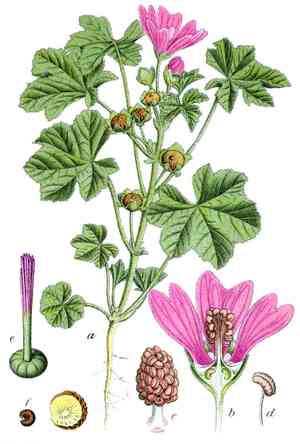
Glademallow flourishes when reproduced via cuttings. To achieve successful root formation, select robust stem sections possessing multiple leaf nodes. Insert these sections into a potting blend that drains effectively, making sure at least one node is situated below the soil line to stimulate root growth. Preserve uniform dampness and offer diffused light until the cuttings develop a strong root system.
Optimal Period for Glademallow Propagation
Propagation Type
Cutting
Propagation Season
Spring,Summer
Tools Required for Glademallow Propagation
Sharp Pruning Shears
Crucial for obtaining clean, precise cuttings from glademallow, sharp pruning shears minimize infection risk and damage to the parent plant. Their keen blades ensure a smooth cut, promoting quicker healing and reducing disease incidence.
Rooting Hormone
This substance encourages root formation at the severed end of glademallow cuttings. Applying a rooting hormone significantly boosts the chances of successful root development, which is vital for new plant establishment.
Sterilizing Solution
Used to sanitize pruning shears and other implements, this solution prevents disease transmission between plants. As propagation creates open wounds, using sterilized tools is essential for glademallow's health during and after cutting.
Propagation Tray
These trays offer an ideal setting for glademallow cuttings to root. They help maintain consistent moisture and temperature, two critical elements for the rooting process. Their shallow design accommodates multiple cuttings, making large-scale propagation efficient.
Quality Potting Mix
A sterile, well-draining, and nutrient-rich potting mix supports the initial growth of glademallow cuttings by providing necessary structure and nourishment. It should ideally be light and airy to facilitate oxygen circulation to new roots.
Humidity Dome
This device helps maintain high humidity around glademallow cuttings, crucial for preventing them from drying out before roots form. The dome also aids in temperature regulation, creating a microenvironment perfect for root development.
Method for Propagating Glademallow
Propagation Type
Easy
Post-Propagation Care for Your Glademallow
How to Care for Your Newly Propagated Glademallow?
Once rooted, gradually introduce glademallow to drier conditions by removing the plastic cover over a week. Transplant into larger containers or directly into the garden if suitable, ensuring the soil stays moist but not waterlogged. Provide partial to full sunlight and shield from strong winds. Regularly check for pests and diseases to keep glademallow healthy.
Common Errors to Avoid During Glademallow Propagation
Overwatering
Excessive soil saturation can lead to root rot in glademallow, a condition that impairs the plantâs root system and hinders healthy development.
Using non-sterile tools
Employing unsanitized tools can introduce pathogens to glademallow, potentially spreading diseases that can impede propagation success.
Inadequate light during root development
Placing glademallow cuttings in overly dark conditions can result in poor root development, as glademallow requires sufficient light for optimal growth even at early stages.
Ignoring root space
Planting glademallow cuttings in containers that are too small can restrict root growth, which is vital for the overall health and establishment of new plants.
Advice for Propagating Glademallow
Maintain moderate moisture
Keeping the soil consistently damp but not waterlogged supports healthy root growth in glademallow without the risk of root diseases.
Use sterile propagation tools
Ensuring all cutting tools are clean and sterile helps prevent the transmission of diseases to glademallow during the cutting process.
Provide adequate lighting
Ensuring ample indirect light for glademallow after planting the cuttings will promote healthy root and shoot development.
Choose appropriate container size
Utilizing a sufficiently large container for glademallow cuttings will encourage a robust root system, crucial for successful propagation and transplanting.



