How Much Sunlight Do Glademallow Need?
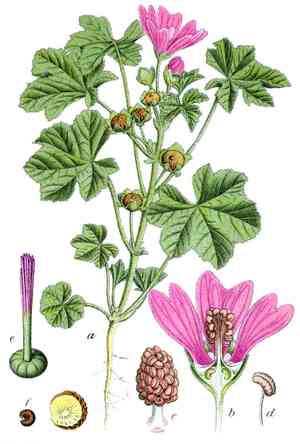
1
Glademallow flourishes optimally with 3-6 hours of moderate to ample sun exposure daily.
2
Insufficient light can result in stunted development and reduced flowering for your Glademallow.
3
Protect your Glademallow from strong midday sun to prevent leaf scorching.
Optimal Light Conditions for Glademallow
Direct vs. Indirect Illumination
Glademallow, a lovely indigenous plant, thrives with a combination of direct and indirect light. While it tolerates full sun, especially in cooler climates, it truly flourishes with partial sun exposure. This means it should receive approximately 3-6 hours of direct sunlight, ideally in the morning, followed by some protection from intense afternoon rays. Allowing it to absorb filtered light throughout the day ensures it gains necessary energy without the risk of overexposure.
Full Sun Requirement Explained
Full sun refers to a location that gets at least 6 hours of direct sunlight daily. Glademallow is robust and handles this condition quite well. If you reside in a colder climate, placing your plant in a full-sun spot can aid its growth. However, in warmer regions, full sun might be too harsh, making partial sun locations more suitable. Observe the plant's condition and modify its placement if you notice any signs of stress.
Preventing Sunburn in Glademallow
Sunburn can occur when the plant is exposed to strong, direct sunlight for extended periods, particularly during peak summer months. Indications of sunburn include yellowing foliage, brown scorched areas, and wilting. To avoid sunburn, consider using shade cloth or relocating potted Glademallow to a spot offering dappled sunlight in the afternoon. Establishing a balanced light schedule is vital for maintaining your plant's health and vibrancy.
Prime Locations for Planting Glademallow
Outdoor Garden Placements
Outdoor gardens are excellent for cultivating Glademallow. Select a site that receives morning sunlight and is shielded from the harsh afternoon sun. Plant it alongside other partial-shade-loving species to create a natural canopy, offering essential cover during the hottest parts of the day. Ensure the soil drains well to prevent waterlogging, especially in shaded areas.
Potted Plant Positioning
If you're cultivating Glademallow in a container, you have the flexibility to move it to find its perfect light spot. Position the pot where it gets morning sunlight and some indirect light for the remainder of the day. You can periodically rotate the pot to ensure uniform light exposure on all sides of the plant. Confirm the pot has adequate drainage holes to prevent root rot, which can be an issue in less sunny, damp conditions.
Greenhouse Considerations for Glademallow
Greenhouses can offer a controlled environment for growing Glademallow. However, managing sunlight within a greenhouse is critical. Utilize shading netting to filter sunlight and prevent the greenhouse from overheating. Automated venting systems can help regulate temperature and humidity, creating an optimal growth environment. Place the plant where it receives indirect sunlight if the greenhouse becomes too warm during midday.
Seasonal Light Changes for Glademallow
Spring and Summer Illumination
During spring and summer, Glademallow benefits from increased daylight hours and warmer temperatures. This is the primary growth period, so ensure it receives ample sunlight. Monitor and adjust its position to maintain a balance between direct and indirect sunlight, preventing overheating and sunburn.
Fall and Winter Adjustments
As daylight hours shorten in fall and winter, Glademallow requires modifications to its light exposure. If indoors, place it near a south-facing window where it can get the most sunlight. For outdoor plants, consider using supplemental grow lights to enhance natural light. Ensure the plant is not exposed to frost, as cold damage can negatively impact its health.
Adapting to Varying Light Levels
Adapting to seasonal shifts is crucial for Glademallow. Gradual adjustments in its light exposure help prevent shock. Slowly introduce more light as spring approaches and reduce exposure as winter sets in. This flexible approach ensures the plant remains healthy throughout the year.
Signs of Insufficient or Excessive Light for Glademallow
Symptoms of Light Deficiency
If Glademallow doesn't receive enough sunlight, it may display signs such as pale, yellowing leaves, elongated growth, and reduced flowering. These symptoms indicate that the plant is not photosynthesizing effectively, which can lead to weakened health. If you observe these signs, gradually increase its exposure to more direct sunlight.
Symptoms of Light Overexposure
Excessive sunlight can cause sunburn and heat stress in Glademallow. Symptoms include scorched leaf edges, brown patches, and wilting during the hottest part of the day. If you notice these signs, provide temporary shade and reduce its exposure to direct sunlight during peak hours.
Balancing Light Exposure
Balancing light exposure is vital for the health of Glademallow. Regularly observe your plant, adjust its position as needed, and ensure it receives a mix of direct and indirect sunlight. Mulching around the base can help retain soil moisture and keep the roots cool, contributing to a balanced growing environment.



