How to Transplant Bullgrass?
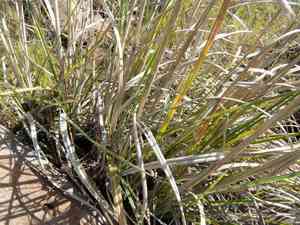
The ideal period for transplanting bullgrass is from late spring's warmth through early summer's gentle touch, which encourages vigorous root development. Select a location bathed in sunlight with soil that drains effectively, and contemplate enhancing it with compost to prepare a welcoming environment for bullgrass.
What Preparations are Needed Before Transplanting Bullgrass?
What is the Ideal Time for Transplanting Bullgrass?
The best time to move bullgrass is as spring transitions into summer. During this period of growth, the warming ground and longer days create perfect conditions for bullgrass to establish its root system. Transplanting at this time ensures the bullgrass has sufficient opportunity to adapt before the full intensity of summer sun. A friendly tip - your bullgrass will appreciate a fresh start during this vibrant season!
How Much Space Should You Leave Between Bullgrass Plants?
When relocating bullgrass, imagine each plant having its own personal area. Aim for a separation of 18-24 inches (45-60 cm) between them. This provides each bullgrass ample room to thrive and extend its graceful foliage.
What is the Best Soil Mix for Bullgrass Transplanting?
Prepare to nurture your bullgrass by creating a well-draining soil blend with a touch of compost. Consider this a nourishing foundational meal! A balanced, slow-release fertilizer will offer your bullgrass a gentle welcome to its new location.
Where Should You Relocate Your Bullgrass?
Locate a sunny spot in your garden that receives full or partial sunlight. Bullgrass enjoys soaking up the sun's rays for at least 6 hours daily. This bright corner will be the perfect stage for your bullgrass to perform its green display.
What Equipments Should You Prepare Before Transplantation Bullgrass?
Gardening Gloves
To safeguard your hands while handling soil and plants.
Hand Trowel
For excavating small plants or seedling containers and creating holes in the ground.
Shovel or Spade
Necessary for digging around and lifting the bullgrass if it's in the ground.
Watering Can
To hydrate the bullgrass before and after its relocation.
Garden Fork
To loosen the soil surrounding the plant if it's being moved from the ground.
Wheelbarrow
To transport the bullgrass along with any soil or garden debris.
Pruning Shears
To trim any dead or excess parts of the plant prior to transplanting.
How Do You Remove Bullgrass from the Soil?
How Do You Remove Bullgrass from the Soil?
From Ground: First, water the bullgrass plant to moisten the soil, making extraction easier. Use a garden fork to gently loosen the soil around the plant's perimeter. Dig a wide circle around the plant with a shovel or spade, deep enough to encompass the entire root ball. Carefully slide the shovel beneath the root ball and lift the bullgrass from its original spot.From Pot: Water the bullgrass to dampen the soil. Gently tap the pot's sides to release the soil's grip. Turn the pot sideways and carefully slide out the bullgrass, supporting the plant with one hand and pulling the pot away with the other.From Seedling Tray: Moisten the soil in the tray to facilitate seedling removal. Use a hand trowel or similar tool to gently lift the soil plug containing the bullgrass's roots. Carefully raise the seedling while keeping the soil around the roots intact.
Step-by-Step Guide for Transplanting Bullgrass
Preparation
Gather all necessary tools and materials for relocating the bullgrass. Prepare a new planting hole in the ground that is twice the width of the bullgrass's root ball and of equal depth.
Root Pruning
Before extracting the bullgrass from its current spot, consider lightly trimming the roots if they are excessively long or circling the root ball.
Plant Removal
Using the appropriate method described in the removal process, carefully extract the bullgrass from the ground, pot, or seedling tray, minimizing disturbance to its root system.
Transplanting
Position the bullgrass in the new hole at the same depth it was previously. Gently spread the roots if they are clustered. Backfill the hole with soil, lightly firming it to eliminate air pockets. Do not plant the bullgrass deeper than its original growth level.
Watering In
Thoroughly water the bullgrass after planting to settle the soil around its roots and to hydrate the plant. Ensure the water penetrates deeply to encourage downward root growth.
How Do You Care For Bullgrass After Transplanting?
Watering
Water the bullgrass deeply to promote root development but allow the topsoil to dry out slightly between waterings to prevent rot.
Mulching
Apply a layer of organic mulch around the bullgrass to help retain moisture, regulate soil temperature, and reduce weed competition.
Pruning
Trim any leaves or stems that were damaged during the transplanting process to help the bullgrass focus on establishing its roots.
Monitoring
Observe the bullgrass for signs of transplant shock, such as wilting or discoloration, and address any issues promptly.
Troubleshooting Common Issues with Bullgrass Transplantation.
Why is my bullgrass looking wilted after transplanting?
Wilted bullgrass can be a symptom of transplant shock. Ensure it receives adequate water and avoid disturbing roots during relocation.
How far apart should I plant bullgrass?
For optimal development, space bullgrass approximately 18-24 inches (45-60 cm) apart. This provides ample room for growth.
What's the best time to transplant bullgrass?
Late spring to early summer is ideal, allowing bullgrass to establish itself before winter.
Why are the leaves of bullgrass turning brown?
Brown leaves can result from over/under-watering or sun scorch. Check soil moisture and provide shade if necessary.
Is it necessary to prune bullgrass when transplanting?
Light pruning can help reduce transplant stress by balancing root loss with top growth.
How much sun does bullgrass need after transplanting?
Provide bullgrass with full sun to partial shade to thrive after transplanting.
Why isn't my bullgrass growing after being transplanted?
Slow growth could be due to root damage, incorrect soil, or insufficient watering. Care for it gently and be patient.
How deep should I plant bullgrass's root ball?
Plant the root ball of bullgrass so that it is level with the surrounding soil to prevent stem rot.
Can I transplant bullgrass in hot weather?
Relocating in very hot weather can stress bullgrass, so choose a cooler day or provide shade if necessary.
How do I know if bullgrass needs watering after transplanting?
Check the top 2 inches (5 cm) of soil; if dry, water deeply to encourage new root growth.



