How to Prune Bullgrass?
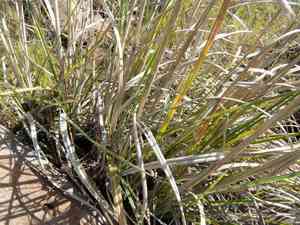
This enduring grass is recognized for its clustered growth pattern and lively green leaves. For bullgrass, trimming ought to concentrate on eliminating aged, lifeless matter to foster fresh development and sustain the plant's well-being. Perform pruning in early spring or during winter, reducing the foliage to several inches above the soil for revitalization. It is crucial to refrain from pruning during the period of active growth to prevent strain. Trimming aids bullgrass by improving air movement and lowering the chance of illness.
Advantages of Trimming Bullgrass
Advantages of Trimming Bullgrass
Trimming bullgrass promotes strong development and helps maintain its desired form. Strategic cuts encourage fresh, healthy shoots, boosting the plant's vitality and visual appeal.
Optimal Time for Trimming Bullgrass
Optimal Time for Trimming Bullgrass
Trimming in early spring is ideal for bullgrass, as this timing allows gardeners to remove any winter frost damage and stimulates vigorous new growth with the arrival of the warm season. This timing also ensures that plant material removal occurs before bullgrass enters its rapid growth phase, leading to less plant stress and a better response to trimming. Additionally, winter trimming, while bullgrass is dormant, can be beneficial as it minimizes the risk of disease transmission and pest infestation, which are less active during colder months. Winter trimming also offers the chance to shape bullgrass without foliage obstruction, allowing for more precise cuts that facilitate healthy regrowth in spring.
Tools Required for Trimming Bullgrass
Hand Pruners
For cutting smaller, live stems up to ¾ inches in diameter, making them perfect for snipping individual bullgrass blades.
Grass Shears
For precise cuts and shaping edges, particularly useful for maintaining the ornamental look of bullgrass.
Lopping Shears
For cutting thicker stems or clumps that hand pruners cannot manage, suitable for dense bullgrass growth.
Hedge Clippers
For quickly and evenly trimming larger areas, these are suitable for shaping and keeping the bulk of bullgrass neat.
Pruning Saw
For cutting through larger, woody stems, which bullgrass may develop at its base over time.
How to Trim Bullgrass
Clean Tools
Sanitize your pruning shears with alcohol or a bleach solution to prevent disease spread before beginning the bullgrass trimming process.
Identify
Carefully examine bullgrass to pinpoint diseased and withered leaves. Look for any signs of discoloration, spots, or wilting indicating poor health.
Cut Diseased Leaves
Use your sanitized shears to carefully cut off diseased leaves at their base where they meet the stem or the main leaf blade, ensuring no damage to healthy adjacent foliage.
Trim Withered Leaves
Trim the withered bullgrass leaves by cutting them off at the base in a similar manner, making clean cuts to promote quick healing and prevent further decay.
Dispose
Properly dispose of all removed bullgrass parts, preferably by burning or bagging them to prevent the spread of any potential disease or pests to other plants.
Common Trimming Errors with Bullgrass
Excessive Trimming
Removing too much bullgrass foliage can stress the plant, reduce its vigor, and lead to sparse growth. It is crucial to trim conservatively, removing only what is necessary.
Incorrect Cutting Technique
Cutting bullgrass with dull tools or making improper cuts can damage stems and invite disease. Use sharp, clean pruning shears and make cuts at a 45-degree angle just above a node or a set of leaves.
Trimming Into Old Wood
Cutting bullgrass back into old wood can hinder new growth because it may not readily sprout from older stems. Focus on trimming the current season's growth.
Neglecting To Remove Dead Material
Failing to clear away dead or decaying bullgrass matter can impede new growth and provide a haven for pests and diseases.
Ignoring Plant Shape
Not considering the natural shape of bullgrass when trimming can result in an unnatural appearance and potentially harm the plant's structure.
Common Trimming Tips for Bullgrass
Selective Trimming
Carefully select the stems and foliage to trim, focusing on thinning out crowded areas to improve air circulation and light penetration throughout bullgrass.
Post-Flowering Trim
Lightly trim bullgrass after its blooming period to shape it and encourage a new flush of growth, being careful not to cut back too dramatically.
Removal Of Dead Material
Regularly remove dead or yellowing leaves and spent flower stalks from bullgrass to promote a tidy appearance and allow more energy to be directed towards healthy growth.
Maintenance Trimming
Practice maintenance trimming by regularly inspecting bullgrass and gently pinching or cutting back overextended or leggy stems to encourage denser foliage.



