The Bullgrass Plant Advantage: Maximizing Home and Office Appeal and Wellness
1
Bullgrass improves ground quality by stopping soil loss.
2
Perfect for dry regions because of its strong resilience.
3
Bullgrass aids native animals by offering refuge and sustenance.
What Are the Environmental Benefits of Bullgrass?
Erosion Control
A key advantage of Bullgrass is its capacity to prevent soil degradation. Its deep root system stabilizes the ground, lessening the impact of heavy rainfall and stopping topsoil from washing away. This makes it perfect for areas susceptible to erosion, like slopes and riverbanks.
Soil Improvement
Beyond preventing erosion, Bullgrass contributes to soil health by improving its structure. The roots assist in breaking up compacted soil, allowing for better air and water penetration. This supports the growth of other plants and fosters a healthier ecosystem.
How Does Bullgrass Support Local Wildlife?
Habitat Creation
Bullgrass is known for establishing a suitable environment for various animal species. Birds, small mammals, and insects find shelter within its dense foliage. This plant serves as a natural refuge, offering protection from predators and severe weather.
Food Source
In addition to providing shelter, Bullgrass acts as a food source for local wildlife. The seeds produced by this plant offer sustenance for birds and small mammals, while insects benefit from its leaves.
Why Is Bullgrass Ideal for Drought-Prone Areas?
Drought Tolerance
One of Bullgrass's prominent characteristics is its impressive ability to withstand drought. It can flourish in arid conditions with minimal water, making it an excellent choice for regions facing water scarcity. This resilience helps maintain green landscapes even during dry periods.
Low Maintenance
Bullgrass requires minimal upkeep once established. Its capacity to endure harsh conditions reduces the need for frequent watering and fertilizing, making it a cost-effective and sustainable option for gardeners.
What Are the Aesthetic Benefits of Bullgrass?
Visual Appeal
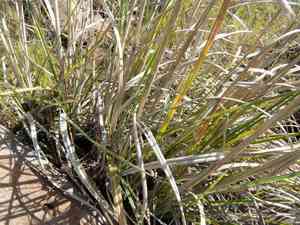
With its graceful, arching leaves and soft, feathery blooms, Bullgrass adds a touch of elegance to any landscape. It can be utilized in various garden designs, from formal borders to naturalistic plantings, enhancing the overall visual charm.
Seasonal Interest
Bullgrass provides year-round appeal. In spring and summer, its vibrant green foliage stands out, while in autumn, it transforms into a warm, golden hue. Even in winter, its dried foliage and seed heads add texture and visual intrigue.
How to Incorporate Bullgrass into Your Landscape?
Planting Tips
To maximize Bullgrass's advantages, plant it in well-drained soil and a sunny spot. Although it can tolerate poor soil conditions, adding compost during planting can help it establish more quickly.
Companion Plants
Bullgrass pairs well with other drought-resistant plants such as lavender, rosemary, and succulents. This combination not only looks attractive but also ensures that all plants in the arrangement thrive under similar care requirements.



