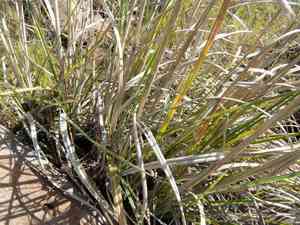
Bullgrass (Muhlenbergia emersleyi)
Also known as: Bullgrass, Emory Muhly
Bullgrass, or Muhlenbergia emersleyi, is a perennial grass celebrated for its resilience and decorative appeal in garden settings.
### Characteristics:
1. **Drought Resistance:** Exceptionally tolerant to drought, making it perfect for water-wise gardens.
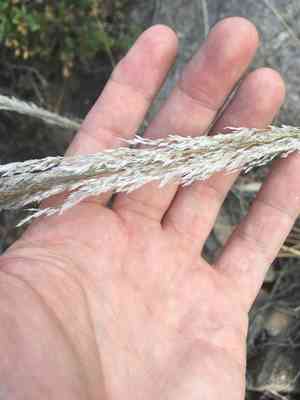
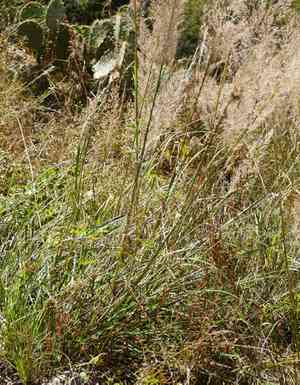
2. **Visual Appeal:** Features fine, arching foliage in blue-green hues, turning into striking reddish-brown flower plumes in late summer and fall.
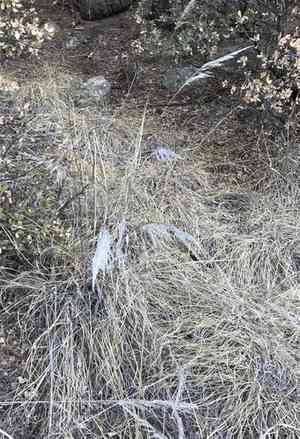
3. **Structure:** Grows in dense clumps, maintaining a neat and manageable form.
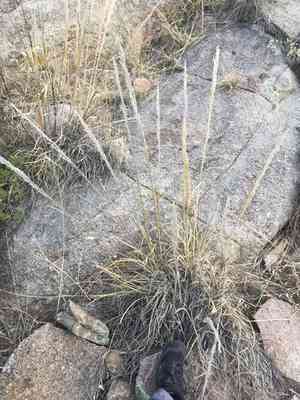
4. **Versatile Growth:** Adapts well to various soil types, including those that are rocky or nutrient-poor.
5. **Size:** Typically reaches heights of 2-3 feet, suitable for garden borders and centerpieces.
### Benefits:
1. **Low Upkeep:** Requires minimal maintenance after establishment, reducing the need for irrigation and fertilizers.
2. **Erosion Prevention:** The plant's deep roots help stabilize the soil, preventing erosion.
3. **Wildlife Friendly:** Attracts pollinators and provides habitat for small animals.
4. **Year-Round Interest:** Offers visual interest throughout the year, especially with its persistent flower plumes in the winter.
5. **Movement and Texture:** Adds dynamic movement and texture to the garden with its airy, feathery plumes.
Growing bullgrass in your garden can enhance its aesthetic and ecological value while demanding little in terms of care and resources.
Attributes of Bullgrass
Images of Bullgrass
 How to Water Bullgrass?
 What Are the Sunlight Requirements for Bullgrass?
 What Is the Ideal Temperature Range for Bullgrass?
 What Soil is Best for Bullgrass?
 How to Fertilize Bullgrass?
 How to Prune Bullgrass?
 How to Propagate Bullgrass plant?
 How to Repot Bullgrass plant?



