Enhancing Your Garden Design with the Bullgrass Plant: A Landscaping Guide
1
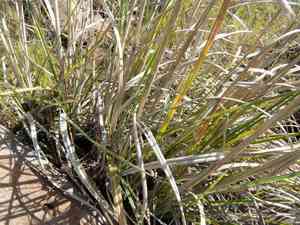
Bullgrass is a adaptable grass that can enhance diverse landscape aesthetics gracefully.
2
Bullgrass needs little upkeep, making it perfect for gardeners with limited time.
3
Incorporating Bullgrass into your garden can benefit native animals and ecological variety.
Exploring the Function of Bullgrass in Garden Design
Why is Bullgrass a good option for garden design?
A key reason Bullgrass is an excellent selection for landscaping is its adaptability. This robust grass flourishes in diverse settings, from sunny lawns to shaded garden spots. Its graceful, arching leaves offer a soft, flowing texture that beautifully contrasts with the rigidity of rocks or wooden structures, enhancing visual appeal in any outdoor area. Whether you seek a natural, wild aesthetic or a more refined, modern layout, Bullgrass can meet your requirements. Moreover, its simple upkeep makes it an attractive choice for both new and seasoned gardeners.
Overview of Bullgrass's growth characteristics
Bullgrass is a perennial grass that typically grows in clusters, reaching heights of approximately 2 to 3 feet. It produces slender, leafy stems with a slightly arching habit, lending it an elegant appearance. The blades are a rich green, transitioning to a lovely golden shade in autumn. Its growth rate is moderate, and it can spread via rhizomes, making it somewhat self-sufficient once established. This flexibility allows Bullgrass to be used in various soil types and moisture conditions, though it prefers well-drained soils.
Design Concepts: Incorporating Bullgrass into Your Outdoor Space
Creating focal points with Bullgrass
Establishing focal points in your garden design is crucial for directing the viewer's gaze and adding structure to the landscape. Bullgrass's striking form and movement make it an ideal candidate for such focal points. You can strategically place Bullgrass, such as in the center of a garden bed or as a solitary specimen, to attract attention and create a visual anchor. Combine it with contrasting textures and colors to amplify its impact, and you'll have a captivating feature that elevates your garden's overall aesthetic.
Utilizing Bullgrass for borders and edging
Borders and edging are vital for defining garden areas and giving your landscaping a refined look. Bullgrass can be effectively used as a natural border, forming a soft, wavy edge between different garden sections. Its clumping nature ensures it stays in place without becoming invasive, while its height provides enough presence to clearly delineate areas. Planting Bullgrass along paths or around garden beds can also help create a cohesive and well-organized garden layout.
Combining Bullgrass with other plants for harmony
One of the best methods to achieve a harmonious garden design is by pairing plants that complement each other in terms of color, texture, and growth habit. Bullgrass integrates well with various other plants, such as flowering perennials, shrubs, and even other ornamental grasses. For instance, consider pairing Bullgrass with lavender or sage for a beautiful contrast of textures and colors. Additionally, mixing it with taller shrubs or small trees can create layered visual interest and depth, making your garden appear more dynamic and thoughtfully designed.
Maintenance Guidelines for Bullgrass in Your Landscape
Basic care requirements for Bullgrass
Maintaining Bullgrass is relatively simple, making it an excellent choice for gardeners seeking low-effort options. The primary maintenance tasks involve regular watering, especially during the initial establishment period, and occasional trimming to remove any dead or damaged foliage. Bullgrass generally does not require frequent fertilization; however, an annual application of a balanced, slow-release fertilizer in early spring can encourage healthy growth. Additionally, ensuring good air circulation around the plants can help prevent potential pest or disease issues.
Seasonal care adjustments
While Bullgrass is quite resilient, some seasonal care adjustments can help it thrive year-round. In the spring, cut back any dead foliage to promote fresh new growth. During hot summer months, ensure consistent watering but avoid waterlogging the soil. In the fall, you can leave the drying foliage in place, which adds winter interest and provides a habitat for beneficial insects. Finally, in colder climates, a layer of mulch around the base of the plant in late fall can help protect the roots from extreme temperatures.
Environmental Advantages of Including Bullgrass in Landscaping
Contribution to local biodiversity
Incorporating Bullgrass into your landscape can significantly enhance local biodiversity. As a native plant in many regions, it supports a variety of local flora and fauna, creating a balanced and sustainable ecosystem. The dense foliage and seed heads provide shelter and food for insects, birds, and small mammals, fostering a thriving community of wildlife. By planting Bullgrass, you're not only improving your garden's beauty but also contributing to maintaining the ecological balance.
Supporting local wildlife
Bullgrass offers multiple benefits to local wildlife, making it a valuable addition to wildlife-friendly gardens. Birds often use the tall, dense clumps for nesting, while the seeds become a crucial food source during leaner months. Additionally, the grass provides habitat for beneficial insects like butterflies and bees, which are essential pollinators. By creating a sanctuary for these creatures, you're helping to support the health and diversity of your local ecosystem, ultimately leading to a more vibrant and resilient garden.



