How to Propagate Bullgrass?
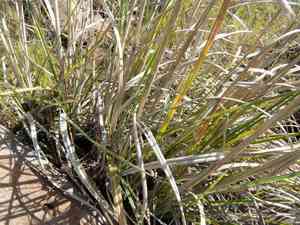
For multiplying bullgrass, separation is an effective technique. Gently split the root mass of an established cluster when the plant is actively developing, making sure every piece possesses sufficient roots. Immediately replant the separated sections to reduce root shock, irrigate thoroughly for establishment, and sustain soil dampness until the fresh plants have firmly rooted.
When Is the Best Time to Multiply Bullgrass?
Propagation Method
Separation
Propagation Period
Spring,Autumn
What Tools Are Used for Bullgrass Propagation?
Sharp Garden Spade or Knife
This implement is vital for separating bullgrass, enabling clean and efficient cuts through the root mass. A keen blade minimizes root damage, ensuring healthier divisions. Precise cuts also lessen plant stress and accelerate recovery.
Garden Fork
Used for gently lifting bullgrass from the ground or its container without excessively disturbing the root structure. The fork's tines facilitate loosening soil and untangling roots, crucial for minimizing root damage during division.
Watering Can with a Fine Rose
Essential for gently watering bullgrass after propagation to aid root establishment without washing away soil or newly planted divisions. The fine rose attachment ensures soft, even water distribution, mimicking light rain.
Rooting Hormone (optional)
While not always required, applying a rooting hormone to the cut surfaces of bullgrass roots can boost root development and improve survival rates in new divisions. This hormone stimulates root growth and helps divisions establish faster.
Plant Labels and Marker
Important for tracking propagated plants, especially when dealing with multiple varieties or growth stages. Labeling helps monitor growth progress and specific care needs for new bullgrass divisions.
How to Propagate Bullgrass?
Propagation Type
Simple
How to Care for Your Newly Propagated Bullgrass?
How to Care for Your Newly Propagated Bullgrass?
After propagation, ensure bullgrass is placed in a location receiving full sun to partial shade, as it thrives in warm, sunlit conditions. The soil should remain moderately moist, especially during drier seasons. Minimal fertilization is needed for bullgrass as it's not a heavy feeder, but an annual balanced fertilizer can promote healthier growth. Monitor bullgrass for signs of pests or diseases, and address any infestations promptly to prevent spread to healthy growth.
Common Mistakes to Avoid When Propagating Bullgrass
Overwatering
Excessive watering can cause root rot in bullgrass, which is vulnerable to too much moisture around its root zone. This can significantly hinder the plant's ability to absorb nutrients and may eventually lead to its demise.
Deep planting
Planting bullgrass too deeply can impede its root development. Bullgrass roots need oxygen exposure, and overly deep planting can suffocate them, reducing the plant's overall vigor and growth.
Using dense soil
Employing overly dense or poorly-draining soil mix can trap moisture around bullgrass roots, making them susceptible to rot. Good drainage is vital for this grass's health.
Neglecting division
Skipping or improperly performing division as a propagation method for bullgrass can result in overcrowded planting, which might reduce air circulation and light penetration, thereby impacting the plant's health.
Tips For Propagating Bullgrass
Appropriate watering
Maintain only moderate moisture levels for bullgrass, ensuring the soil is damp but not waterlogged to encourage healthy root development without the risk of rot.
Shallow planting
Ensure that bullgrass is planted at a shallow depth, allowing its crowns to be just at or slightly below the soil surface to facilitate optimal root respiration and growth.
Loose soil mix
Use a well-draining, sandy soil mix for propagating bullgrass to enhance drainage and prevent moisture accumulation around the roots.
Regular division
Regularly divide bullgrass every few years to stimulate growth and prevent overcrowding. This helps maintain plant health and vigor by providing more space and resources for each individual plant.



