How to Transplant Narrowleaf four o'clock?
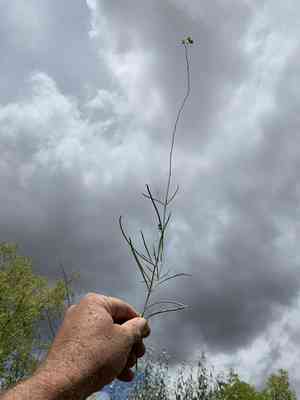
Narrowleaf four o'clock flourishes when relocated after the last frost has passed, ideally from the warmth of late spring through the beginning of summer. Select a sunny location featuring soil that drains effectively. Carefully managing the root ball facilitates a seamless adjustment.
What Preparations are Needed Before Transplanting Narrowleaf Four O'clock?
What is the Ideal Time for Transplanting Narrowleaf Four O'clock?
The optimal period for relocating narrowleaf four o'clock spans from the beginning of spring into the gentle warmth of early summer. Moving narrowleaf four o'clock during this timeframe ensures they settle into receptive soil, benefiting from mild temperatures conducive to root development â a crucial step for sustained vitality. Envision the satisfaction as narrowleaf four o'clock roots adapt to the soil's warmth, forming a robust base for thriving growth. Ensuring narrowleaf four o'clock finds its new location during this prime season not only guarantees a smooth transition but also promises a spectacular display of blossoms that enchant throughout the year.
How Much Space Should You Leave Between Narrowleaf Four O'clock Plants?
When establishing your narrowleaf four o'clock, provide ample room for growth. Aim for a separation of approximately 12-18 inches (30-46 cm), allowing sufficient area for them to expand and breathe.
What is the Best Soil Mix for Narrowleaf Four O'clock Transplanting?
Your narrowleaf four o'clock will thrive in well-draining soil, rich in organic matter. Before transplanting, enrich the ground with a balanced, slow-release fertilizer to give the young plants an excellent start.
Where Should You Relocate Your Narrowleaf Four O'clock?
Identify a sunny spot for your narrowleaf four o'clock as they flourish in full sun to partial shade. Selecting a site that receives at least 6 hours of sunlight will ensure your narrowleaf four o'clock is most content.
What Equipments Should You Prepare Before Transplantation Narrowleaf Four O'clock?
Gardening Gloves
To safeguard your hands while handling soil and plants.
Shovel or Spade
For excavating around and beneath the plant to extract it with the root ball intact.
Watering Can or Hose
To hydrate the plant prior to removal and for post-transplant irrigation.
Pruning Shears
To trim any damaged roots or foliage before the transplant process.
Wheelbarrow or Garden Cart
For moving the plant from its original spot to the new planting location.
Tarp or Burlap
To secure the soil around the root ball and facilitate easy transport.
How Do You Remove Narrowleaf Four O'clock from the Soil?
How Do You Remove Narrowleaf Four O'clock from the Soil?
From Ground: First, thoroughly water the narrowleaf four o'clock plant to moisten the soil, which eases digging and helps protect the roots. Using a shovel or spade, dig a wide circle around the plant to avoid damaging its root system. Carefully work the spade under the root ball and gently lift the narrowleaf four o'clock from the ground.From Pot: Water the narrowleaf four o'clock plant and allow it to drain. Tilt the pot sideways and gently tap or apply pressure around the pot's edges to loosen the root ball. Carefully pull the narrowleaf four o'clock from the pot, supporting the stem's base and the root ball.From Seedling Tray: Water the seedlings to simplify their removal. Use a spoon or a small gardening trowel to carefully scoop out each narrowleaf four o'clock plant, ensuring to include the roots and surrounding soil to minimize stress to the plant.
Step-by-Step Guide for Transplanting Narrowleaf Four O'clock
Preparation
Before transplanting, ensure all necessary tools are ready and that the narrowleaf four o'clock plant is well-hydrated. Choose the new planting site where you've already prepared the ground according to the previous instructions (excluding spacing, soil type or fertilizer, and sunlight location). Make sure the new hole is twice as wide as the root ball and equally deep to comfortably accommodate the roots without bending or crowding them.
Lifting
Using the shovel or spade, carefully dig around the root ball, taking care not to disturb the roots. Once the plant can be moved slightly with ease, slide the shovel under the root ball and gently lift it from the ground.
Transportation
Place the root ball on a tarp or in a wheelbarrow covered with burlap to transport the narrowleaf four o'clock plant to its new location. This will help prevent the roots from drying out and make the plant easier to carry.
Placement
Gently lower the narrowleaf four o'clock plant into the new hole. The top of the root ball should be level with the surrounding soil surface. Adjust the hole's depth if necessary before positioning the plant.
Filling In
Fill in around the root ball with loose soil, gently tamping down with your hands to eliminate air pockets. Do not compact the soil heavily, as this can hinder root growth and water penetration.
Watering
Immediately after planting, thoroughly water the narrowleaf four o'clock to settle the soil around the roots and help alleviate transplant shock. Water slowly and deeply to ensure moisture reaches the lower roots.
How Do You Care For Narrowleaf Four O'clock After Transplanting?
Mulching
Apply a layer of mulch around the base of the narrowleaf four o'clock to retain moisture, regulate soil temperature, and reduce weed competition. Leave a small gap around the stem to prevent potential rot issues.
Monitoring
Observe the narrowleaf four o'clock plant for signs of stress such as wilting or discolored leaves. Adjust care as needed and be patient as the plant adapts to its new environment.
Troubleshooting Common Issues with Narrowleaf Four O'clock Transplantation.
What's the best time to transplant narrowleaf four o'clock?
The ideal transplanting period is from late spring into early summer, utilizing moderate temperatures for root establishment.
How far apart should I plant narrowleaf four o'clock?
Space narrowleaf four o'clock approximately 12-18 inches (30-45 cm) apart to provide each plant ample room to thrive.
How deep should the holes be for transplanting narrowleaf four o'clock?
Dig holes that are just deep enough for the root ball, typically about the same size as the container.
What type of soil is best for narrowleaf four o'clock?
Use well-draining soil, as narrowleaf four o'clock prefers not to sit in waterlogged conditions to prevent root rot.
How do I prepare narrowleaf four o'clock for transplanting?
Water narrowleaf four o'clock thoroughly a day before transplanting to ensure it's well-hydrated, which aids root recovery.
What if narrowleaf four o'clock's leaves wilt after transplanting?
Wilting can indicate transplant shock. Keep the soil moist and provide shade for a few days.
Can I transplant narrowleaf four o'clock on a hot, sunny day?
Transplant on an overcast day or in the late afternoon to minimize stress and prevent immediate wilting.
What should I do if narrowleaf four o'clock doesn't flower post-transplant?
Be patient; narrowleaf four o'clock may need time to establish. Ensure it's not over/underwatered and receives sufficient sunlight.
Why is narrowleaf four o'clock drooping after transplanting?
Drooping often signals transplant shock. Reduce stress with consistent watering and avoid full sun initially.
Should I use fertilizer when transplanting narrowleaf four o'clock?
Wait a few weeks before applying a balanced fertilizer to allow narrowleaf four o'clock to settle in its new home.



