Enhancing Your Garden Design with the Narrowleaf four o'clock Plant: A Landscaping Guide
1
Narrowleaf four o'clock provides striking beauty and environmental advantages.
2
Proper placement of Narrowleaf four o'clock greatly enhances your garden's look.
3
Regular care and seasonal adjustments are crucial for Narrowleaf four o'clock.
Introducing Narrowleaf four o'clock in Garden Design
Understanding the visual appeal of Narrowleaf four o'clock
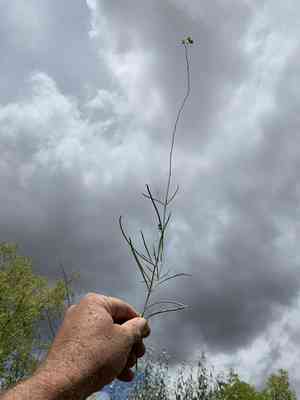
For adding grace and distinctiveness to your garden, Narrowleaf four o'clock stands out with its unique slender leaves and charming blossoms. Its flowers, often seen opening in the late afternoon, provide a burst of color and allure, becoming a focal point in any landscape. The contrast of its delicate blooms against the green foliage can offer a visually striking element to your garden plan, making Narrowleaf four o'clock an ideal choice for anyone aiming to enhance their outdoor space's beauty.
The role of Narrowleaf four o'clock in sustainable landscaping
Beyond its beauty, Narrowleaf four o'clock also plays a crucial role in fostering sustainable landscaping. This plant is recognized for its drought tolerance, needing minimal irrigation once established. Such characteristics make it an excellent option for eco-friendly gardens, lessening the demand for excessive water use and contributing to water conservation efforts. Furthermore, Narrowleaf four o'clock attracts local wildlife, including pollinators like bees and butterflies, promoting a more biodiverse and healthy garden environment.
Incorporating Narrowleaf four o'clock into Your Garden Layout
Selecting the ideal spot for Narrowleaf four o'clock
Finding the right location for Narrowleaf four o'clock in your garden is vital for both its development and visual impact. This plant thrives in well-drained soil and areas receiving full sun to partial shade. Consider planting Narrowleaf four o'clock where it can be easily seen and appreciated, such as along walkways, garden borders, or near patios. Its adaptability allows it to fit into various garden settings, whether you have a modern minimalist space or a more traditional garden layout.
Companion plants that complement Narrowleaf four o'clock
To create a cohesive and visually pleasing garden, pairing Narrowleaf four o'clock with suitable companion plants is essential. Consider combining it with other drought-resistant species that share similar water and sunlight needs. Plants like lavender, yarrow, and ornamental grasses can beautifully complement Narrowleaf four o'clock. These companions not only enhance aesthetic appeal but also support an eco-conscious garden by minimizing resource consumption and maximizing biodiversity.
Design suggestions for integrating Narrowleaf four o'clock into various garden styles
Whether you desire a contemporary, rustic, or cottage-style garden, Narrowleaf four o'clock can be adapted to fit seamlessly. For a modern look, consider planting Narrowleaf four o'clock in geometric patterns or alongside sleek stone paths. In a cottage garden, intersperse Narrowleaf four o'clock among colorful perennials and flowering shrubs to create a charming, naturalistic effect. Even in a zen-inspired space, Narrowleaf four o'clock can serve as a tranquil focal point when paired with minimalist elements like gravel, smooth stones, and water features.
Seasonal Considerations for Narrowleaf four o'clock
Optimal planting time for Narrowleaf four o'clock
The best time to plant Narrowleaf four o'clock is during spring when soil temperatures have risen, allowing roots to establish before summer's heat. Spring planting provides Narrowleaf four o'clock a full growing season to develop and flourish, ensuring vigorous growth and blooming. However, in milder climates, autumn planting can also succeed, offering the plant cooler weather to establish roots without extreme heat stress.
How Narrowleaf four o'clock adapts to seasonal changes
Once established, Narrowleaf four o'clock shows impressive resilience to seasonal shifts. It can endure summer heat and dry spells due to its inherent drought resistance. During the growing season, consistent but moderate watering encourages healthy development. In colder months, the plant may naturally die back but typically regrows in spring. Mulching around the base can help protect roots during winter, ensuring the plant's return the following growing season.
Maintaining the Beauty of Narrowleaf four o'clock
Basic care tips for a thriving Narrowleaf four o'clock
Caring for Narrowleaf four o'clock is relatively simple, making it an excellent choice for both new and experienced gardeners. Regular watering during its initial establishment is crucial, followed by reduced watering once mature. Ensure the soil drains well to prevent root rot, and apply a balanced fertilizer in early spring to promote vibrant growth. Periodically pruning dead or damaged stems will also help keep the plant looking its best.
Managing the growth and spread of Narrowleaf four o'clock
Although Narrowleaf four o'clock is not invasive, it can spread moderately if conditions are favorable. To control its growth, consider deadheading spent flowers to prevent self-seeding. Additionally, dividing the plant every few years can help manage its spread and revitalize growth. This not only maintains the desired aesthetic but also ensures that Narrowleaf four o'clock remains a healthy and vibrant feature in your landscape for years to come.



