How to Prune Narrowleaf four o'clock?
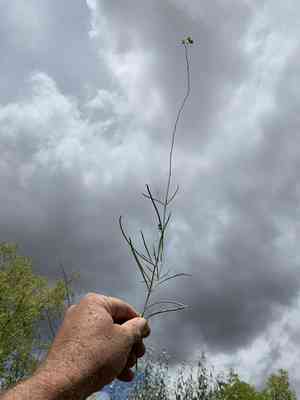
This enduring plant, characterized by its lengthy foliage and blossoms that open at dusk, thrives with consistent trimming to foster a denser form and increased floral output. Essential pruning methods involve nipping off the ends and detaching faded blooms to ensure ongoing flowering. The most suitable periods for pruning are during spring and summer, aligning with its vigorous growth periods. Diligently thin any congested stalks to facilitate proper air movement. Trimming narrowleaf four o'clock not only improves its visual charm but also curbs excessive growth and potential ailments.
What Are the Benefits of Pruning Narrowleaf Four O'clock?
What Are the Benefits of Pruning Narrowleaf Four O'clock?
Trimming narrowleaf four o'clock promotes robust development, encouraging fresh, sturdy shoots that support abundant flowering. By maintaining narrowleaf four o'clock's form, pruning preserves its visual appeal and prevents excessive density, which can lead to poor air circulation and illness.
What Is the Best Time for Pruning Narrowleaf Four O'clock?
What Is the Best Time for Pruning Narrowleaf Four O'clock?
Pruning narrowleaf four o'clock in spring is optimal as the plant awakens from dormancy, fostering vigorous new growth and overall health. Early summer trimming ensures the removal of spent blossoms from the initial flowering cycle, potentially stimulating a subsequent bloom period. These seasons help maintain plant shape and prevent energy waste on unnecessary or damaged foliage, aligning with narrowleaf four o'clock's growth cycle and natural renewal phases, thus supporting flowering performance. Such timing also allows narrowleaf four o'clock to recover and produce new growth before the stress of hotter or colder weather.
What Tools Do I Need to Prune Narrowleaf Four O'clock?
Hand Pruners
Perfect for cutting through narrowleaf four o'clock's stems, which are typically under 1/2 inch thick. Bypass pruners are recommended for clean and healthy cuts.
Pruning Shears
Narrowleaf four o'clock may require occasional shaping to maintain its structure, so a sharp pair of pruning shears can sculpt the plant without harming the stems.
Gloves
Narrowleaf four o'clock lacks thorns, but wearing gloves can shield hands from sap and ensure a firm grip on pruning tools.
Pruning Saw
For mature narrowleaf four o'clock with thicker stems that might exceed 1/2 inch in diameter, a pruning saw can simplify the task without damaging the plant.
How to Prune Narrowleaf Four O'clock
Diagnose
Inspect narrowleaf four o'clock thoroughly to identify any diseased or withered leaves and stems. Look for discolored, spotted, or misshapen foliage and any stem parts that appear unhealthy or damaged.
Sanitize
Before pruning narrowleaf four o'clock, disinfect your pruning tools with a 10% bleach solution or rubbing alcohol to prevent the spread of disease to healthy plant sections.
Pruning Diseased Leaves
Using sharp, clean pruning shears, carefully snip off diseased leaves from narrowleaf four o'clock at the base of the leaf stem, ensuring not to tear or harm the main stem. Dispose of these leaves properly to avoid contaminating the soil or other plants.
Pruning Withered Leaves
Remove any withered or dead leaves from narrowleaf four o'clock by cutting them off at their base to promote better air circulation and light penetration, which encourages healthy growth.
Pruning Diseased Stems
Cut back diseased stems on narrowleaf four o'clock to a healthy section, making clean cuts at a 45-degree angle just above a leaf node or bud. This angle promotes water runoff and minimizes the risk of infection at the prune site.
Common Pruning Mistakes with Narrowleaf Four O'clock
Over-Pruning
Removing too much of narrowleaf four o'clock's foliage at once can stress the plant, potentially leading to reduced vigor and fewer blooms.
Pruning The Main Stem
Cutting the main stem of narrowleaf four o'clock can hinder its natural growth habit, as it could impede the development of the sprawling structure that narrowleaf four o'clock is known for.
Ignoring Dead Or Diseased Stems
Failing to remove dead or diseased stems from narrowleaf four o'clock not only looks untidy but can also attract pests and diseases that harm the plant's overall health.
Not Sterilizing Tools
Using unsterilized pruning tools can spread diseases between plants. This mistake can be especially detrimental if narrowleaf four o'clock is pruned after a diseased plant without cleaning the tools.
Incorrect Cut Placement
Making cuts too far from a node or bud, or too close, can either lead to unnecessary stem dieback or may damage the plant's new growth points.
Common Pruning Tips for Narrowleaf Four O'clock
Clean Cuts
Ensure to make clean cuts on narrowleaf four o'clock just above leaf nodes or stems to promote healthy new growth without leaving unnecessary stubs that can die back.
Selective Thinning
Thin out overcrowded areas of narrowleaf four o'clock to enhance air circulation and light penetration, which are crucial for reducing disease pressure and encouraging even growth.
Tool Sharpness
Use sharp pruning shears to make precise cuts on narrowleaf four o'clock that will heal quickly, minimizing stress on the plant and reducing the risk of disease.
Post-Bloom Pruning
Although seasonal timing is excluded, prune narrowleaf four o'clock promptly after blooming periods to maintain the plant's shape and size, and to encourage future blooming.
Observation
Regularly observe narrowleaf four o'clock for signs of stress or disease, and prune as necessary to remove affected parts, which will keep the plant healthy and vigorous.



