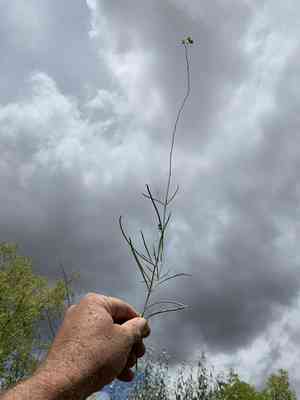
Narrowleaf four o'clock (Mirabilis linearis)
Also known as: Slender Clustervine, Narrow-leaf Four-o'clock
Mirabilis linearis, a semidesert wildflower native to Mexico, is notable for its slender, linear leaves, a key characteristic that sets it apart from other Mirabilis species. While its flowers are typically pink, they can also appear in yellow, purple, or red. The species name 'linearis' aptly describes its distinctive narrow leaves.
In This Article
Attributes of Narrowleaf four o'clock
Lifespan
Perennial
Plant Type
Herb, Shrub
Plant Height
91 cm
Spread
Not specified
Leaf Color
Green
Flower Size
1.9 cm
Flower Color
White Purple
Images of Narrowleaf four o'clock
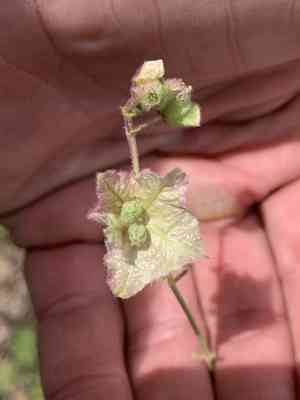
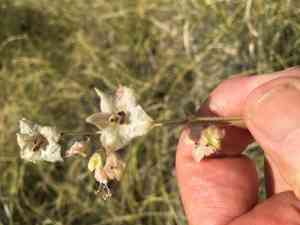
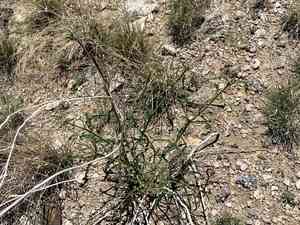

Quickly Identify Narrowleaf four o'clock
1
This plant can be identified by its narrow, lanceolate leaves and its characteristic tubular flowers that are most vibrant in the evening. The flowers typically range in color from pink to purple.
Scientific Classification of Narrowleaf four o'clock
Phylum
Vascular plants
Class
Dicotyledons
Order
Caryophyllales
Family
Four o'clock
Genus
umbrellaworts
Species
Narrowleaf four o'clock
Planting and Growing of Narrowleaf four o'clock
Care Difficulty
Easy
Watering Schedule
Every 2 days
Sunlight Requirements
Full sun
Sunshine Duration
6-8 hours
Ideal Temperature
68-77℉
Soil Type
Potting Mix, Peat Mix
Soil pH
6.5-7.5
Fertilizer Type
Balanced
Pruning Season
Spring, Summer
Pruning Area
Branches, Leaves
Pruning Frequency
2 times a year
Repotting Season
Spring
Pot Type
Plastic, Ceramic
 How to Water Narrowleaf four o'clock?
For Mirabilis linearis, the watering should be thorough but not excessive. It is crucial to soak the soil until the water drains out of the bottom of the pot, indicating that the roots have received adequate moisture. Each watering session should ideally involve around 250 milliliters of water per plant, ensuring the soil is adequately moistened without becoming waterlogged.
What are the symptoms of an underwatered Narrowleaf four o'clock?
›
What should I do if my Narrowleaf four o'clock is not getting enough water?
›
What are the symptoms of an overwatered Narrowleaf four o'clock?
›
How to save an overwatered Narrowleaf four o'clock?
›
 What Are the Sunlight Requirements for Narrowleaf four o'clock?
This plant prefers full sun conditions for 6 to 8 hours daily, which maximizes its blossoming potential and supports vibrant growth, enhancing its ornamental appeal.
More About Sunlight Requirements Techniques→
What is the ideal lighting?
›
How to achieve the ideal lighting?
›
What are the benefits of ideal lighting?
›
 What Is the Ideal Temperature Range for Narrowleaf four o'clock?
The ideal temperature range for Mirabilis linearis cultivation is between 68°F and 77°F. This temperature range ensures optimal photosynthesis and metabolic activity, promoting vigorous growth and healthy foliage. Consistently maintaining these temperatures can help the plant thrive and produce abundant blooms.
 What Soil is Best for Narrowleaf four o'clock?
Mirabilis linearis thrives in well-drained soil, allowing excess water to escape easily. This prevents root rot and ensures that the plant gets the right balance of moisture, promoting healthy growth. This plant prefers soils with moderate nutrient levels, ensuring it gets essential minerals without the risk of nutrient burn. Balancing soil nutrition supports robust plant development and flowering. Mirabilis linearis benefits from soil that doesn't overshadow its roots, allowing maximum sun exposure. This supports the plant's photosynthesis processes, leading to strong and vibrant foliage.
 How to Fertilize Narrowleaf four o'clock?
For Mirabilis linearis, the amount of fertilizer should be modest due to its natural adaptation to nutrient-poor soils. Apply a dilute solution at half the recommended strength for most commercial fertilizers. Ensure the soil is moist before application to avoid root burn.
 How to Prune Narrowleaf four o'clock?
Begin by sterilizing your pruning shears to prevent the spread of disease. Ensure they are sharp for clean cuts. This step is crucial to avoid infecting the plant with pathogens and to make the pruning process more efficient. Examine the plant for any dead, damaged, or diseased stems and leaves. Using sharp, clean shears, make cuts just above a leaf node or bud to encourage new growth. Focus on opening the plant's center to improve air circulation and light exposure, which are vital for healthy development. Look for sections that appear too dense or are overshadowing other parts of the plant. Trim these areas back to allow sunlight to penetrate evenly, which helps prevent fungal diseases and promotes a well-balanced structure. Aim to remove no more than one-third of the plant's overall volume at a time to prevent undue stress.
More About Pruning Techniques→
 How to Propagate Narrowleaf four o'clock plant?
1
Collect mature seeds from the plant and ensure they are clean and dry. Soak the seeds overnight in lukewarm water to soften the seed coat, which enhances germination. After soaking, sow them in seed trays filled with a well-draining soil mix.
2
Select healthy, disease-free stems for cuttings. Use pruning shears to cut a 4-6 inch section just below a leaf node. Remove leaves from the lower half of the cutting to reduce moisture loss and dip the cut end in rooting hormone to stimulate root growth.
3
Insert the hormone-treated cuttings into pots filled with sterile potting mix. Ensure that at least two nodes are buried in the soil. Water lightly to settle the soil and provide humidity by covering the pot with a plastic bag, ensuring it doesn’t touch the cutting.
 How to Repot Narrowleaf four o'clock plant?
1
You can identify that Mirabilis linearis needs repotting when you notice roots growing out of the drainage holes or if the plant growth seems stunted. Repotting during spring or early summer is optimal since it gives the plant ample time to adjust before entering any dormancy phase.
2
Choose a pot with drainage holes that is 1-2 inches larger in diameter than the current one. Clay pots are often recommended as they are porous and allow the soil to dry out, preventing root rot. Ensuring the right pot size provides the plant adequate space to grow and develop a robust root system.
3
Select a well-draining soil mix, commonly a cactus mix, with added perlite or coarse sand to improve drainage. This soil type prevents water from accumulating, hence reducing the risk of root rot and ensuring the plant's roots get the air they need.
Learn More About Narrowleaf four o'clock Diseases
Anthracnose
Bacterial Leaf Spot
Bacterial Wilt
Crown Gall
Cyst Nematode
Damping-off
Downy Mildew
Drought Stress
Fusarium Wilt
Gray Mold
Leaf Curl
Leaf Spot
Mosaic
Nutrient Deficiency
Nutrient Toxicity
Powdery Mildew
Root Rot
Root-knot Nematode
Rusts
Sooty Mold
Spider Mites
Temperature Stress
Thrips Damage
White Mold



