The Narrowleaf four o'clock Plant Advantage: Maximizing Home and Office Appeal and Wellness
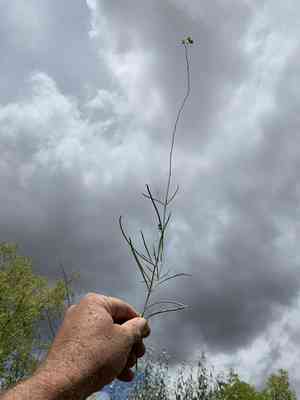
1
The narrowleaf four o'clock is a hardy plant well-suited for dry landscapes.
2
Draws in beneficial insects such as bees and butterflies.
3
Usually flowers during the late afternoon or early evening hours.
Why is Narrowleaf four o'clock an Excellent Option for Your Garden?
Hardy Growth in Dry Environments
Narrowleaf four o'clock is exceptionally suited for water-wise landscaping as it flourishes in arid, rocky ground where many other plants struggle. Its capacity to thrive with minimal water makes it a sustainable selection for gardens in dry regions. The plant's deep root system helps it access moisture far below the soil surface, reducing the need for frequent watering and making it an eco-friendly option.
Attracts Beneficial Pollinators
A key advantage of Narrowleaf four o'clock is its ability to draw in various helpful pollinators like bees and butterflies. Its vivid blossoms open in the late afternoon or evening, offering a vital food source for these insects during cooler parts of the day. This not only enhances your garden's visual appeal but also supports local biodiversity and pollination cycles.
How Does Narrowleaf four o'clock Benefit Soil Health and Erosion Prevention?
Improving Soil Structure
The root system of Narrowleaf four o'clock plays a significant role in enhancing soil structure. Its deep roots help create channels in the soil, which facilitate better water infiltration and aeration. This can be particularly beneficial in compacted soils, helping to revitalize the ground and make it more hospitable for other plants.
Preventing Soil Erosion
Narrowleaf four o'clock is also effective in controlling soil erosion. Its extensive root network stabilizes the soil, reducing the risk of erosion on slopes or other vulnerable areas. This makes it an excellent choice for landscaping projects aimed at maintaining soil integrity and preventing the loss of topsoil.
What Are the Aesthetic Advantages of Cultivating Narrowleaf four o'clock?
Unique Flowering Habits
The plant's name 'four o'clock' comes from its distinctive blooming pattern. The flowers typically open in the late afternoon and stay open throughout the evening, providing a burst of color when many other plants have already closed their blossoms for the day. This unique characteristic adds a dynamic element to garden design and ensures your garden remains visually striking during the twilight hours.
Seasonal Interest
Narrowleaf four o'clock adds seasonal appeal to your garden with its extended blooming period. Starting from late spring and continuing through autumn, the plant's vibrant flowers make it a lively addition to garden beds, borders, and rock gardens. Its foliage also retains its charm throughout the growing season, contributing to the overall aesthetic value of your landscape.
How to Grow and Maintain Narrowleaf four o'clock in Your Garden?
Planting Recommendations
To grow Narrowleaf four o'clock, choose a spot that gets full to partial sun and has well-draining soil. The plant is adaptable but prefers slightly alkaline to neutral pH levels. Space the plants about 12-18 inches apart to allow for adequate air circulation and growth.
Maintenance Practices
Narrowleaf four o'clock requires minimal upkeep, making it an excellent choice for busy gardeners. Water the plant deeply but infrequently, allowing the soil to dry out between watering sessions. This encourages the development of a robust root system. Deadhead the flowers to promote additional blooming and remove any faded foliage to maintain the plant's appearance.



